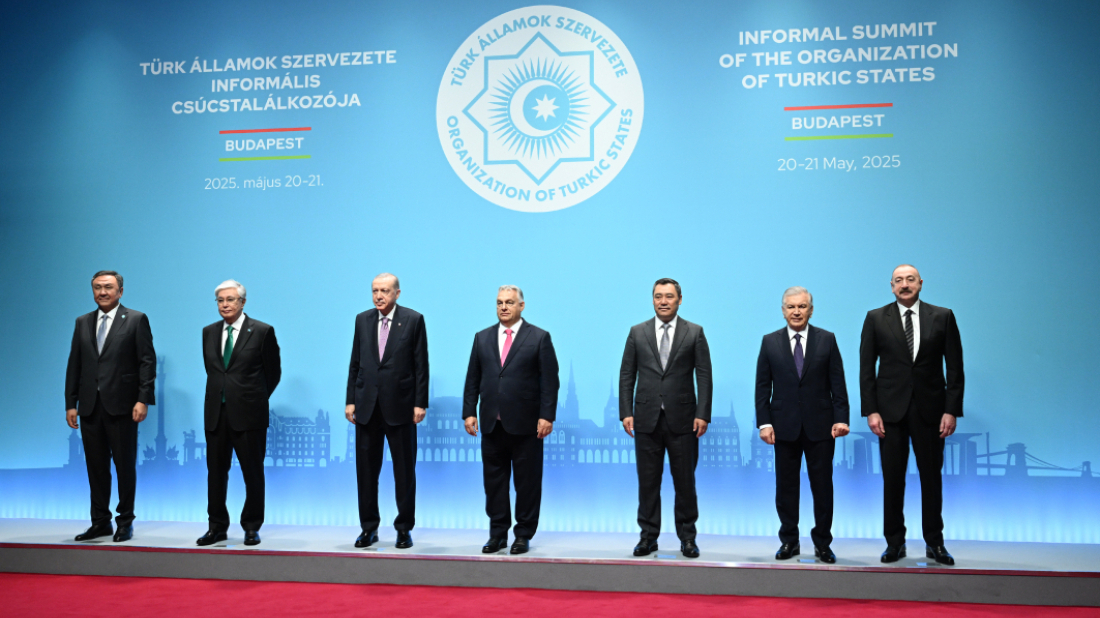
On May 21, an informal summit of the Heads of State of the Organization of Turkic States (OTS) was held in Budapest. Azerbaijani President Ilham Aliyev participated in the event, which was hosted by Hungarian Prime Minister Viktor Orbán.
In his address, President Aliyev emphasized the strong and growing strategic partnership between Azerbaijan and Hungary, noting both countries’ mutual visits and cooperation. He praised Hungary’s independent foreign policy and rising global influence.
President Aliyev welcomed the continuation of the informal OTS summit, which began last year in Shusha, Azerbaijan. He extended an invitation to OTS leaders to attend the official summit in Azerbaijan later this year.
Aliyev highlighted Azerbaijan’s $20 billion investment in OTS countries, the development of transport infrastructure, and the strengthening of the Middle Corridor as a key transit route. He also underlined the role of Azerbaijan’s ports, railways, and airports in boosting regional connectivity.
He noted the successful hosting of COP29 in Baku, which brought together leaders from 197 countries and led to significant decisions on climate finance and carbon markets. The conference was recognized as the “Baku breakthrough.”
Aliyev concluded by thanking Hungary for organizing the summit and reaffirmed Azerbaijan’s commitment to regional cooperation through the OTS.
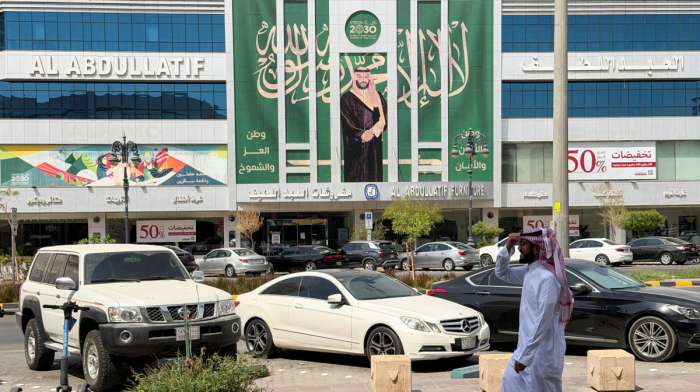
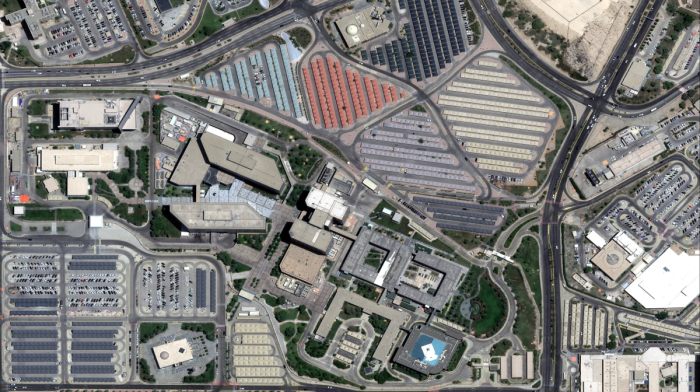
Yemen’s Houthis have claimed responsibility for the recent drone and missile strikes on Saudi Aramco facilities in Dhahran and Riyadh and at King Khalid International Airport in Saudi Arabia, vowing to carry out more attacks in the coming days.
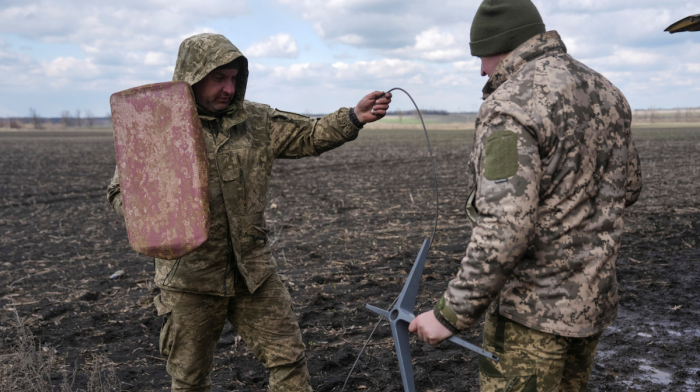
Ukraine's soldiers have had their access to Starlink satellite internet restricted. Kyiv's troops use the terminals, made by Elon Musk's SpaceX, to pilot drones. A source in Ukraine's Defence Ministry said the restrictions would make it harder for Kyiv's army to down Russian drones.
The U.S. has banned government employees working in Saudi Arabia from using airports in the country without special authorisation. It comes after a deadly Houthi strike on Riyadh's King Khalid International Airport killed at least 13 people last week.
Ukraine is set to restart attacks on Russian oil refineries following a two-day pause, President Volodymyr Zelenskyy said, amid growing tensions with Washington over energy strikes and U.S. military support.
The U.S. has banned government employees working in Saudi Arabia from using airports in the country without special authorisation. It comes after a deadly Houthi strike on Riyadh's King Khalid International Airport killed at least 13 people last week.
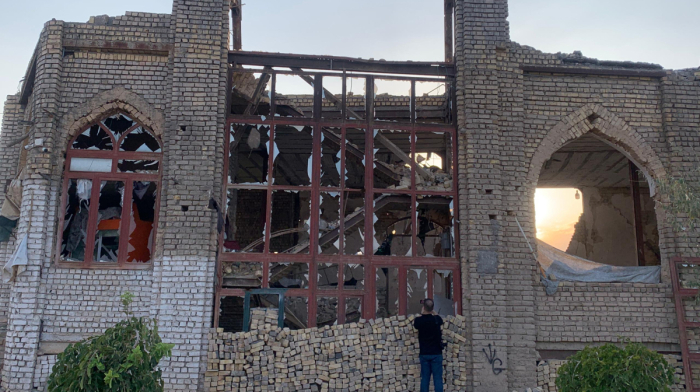
Iran says it is progressing with the reconstruction of civilian areas, including residential and industrial units, that were bombed in Israeli-U.S. attacks.
Türkiye says talks with Washington are continuing over six F-35 fighter jets it purchased but never received, as Ankara pushes for the lifting of U.S. sanctions on its defence industry.
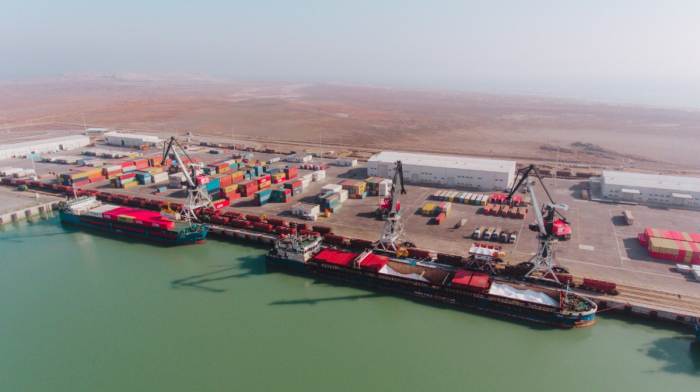
Uzbekistan's freight volumes along the Middle Corridor have doubled in five years, highlighting the growing importance of Azerbaijan and the Port of Baku as key links in its trade routes to Europe.
Download the AnewZ app
You can download the AnewZ application from Play Store and the App Store.













What is your opinion on this topic?
Leave the first comment