Avalanches kill at least three in northern Italy, toll may rise
Several avalanches struck northern Italy on Saturday, killing at least three people, as rescue officials warned the death toll could rise with unstabl...
The U.S. says any deal with Iran must ban uranium enrichment. Tehran says enrichment will not stop. Both sides appear far from an agreement.
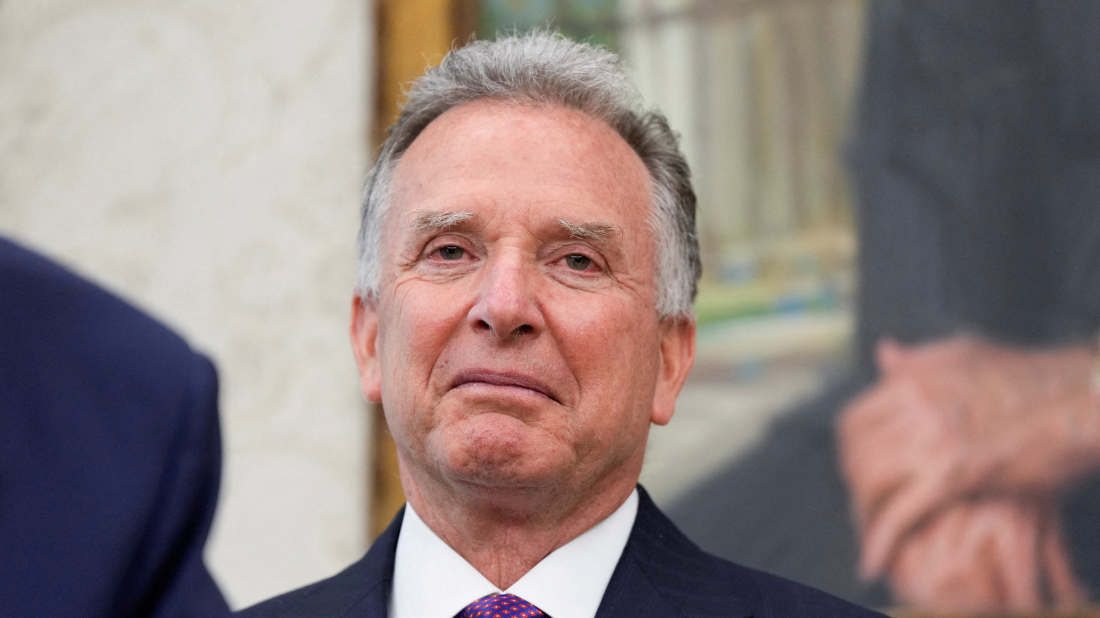
U.S. special envoy Steve Witkoff said on Sunday that any agreement with Iran must include a full ban on uranium enrichment. His comments, made during an interview on ABC’s This Week, drew immediate criticism from Tehran.
“We have one very clear red line, and that is enrichment. We cannot allow even 1%,” Witkoff said. He argued that enrichment enables weaponisation and must be excluded from any deal.
Iranian Foreign Minister Abbas Araqchi responded through the semi-official Tasnim news agency, calling Witkoff’s view “completely distant from reality.” He said enrichment is non-negotiable and will continue.
Witkoff, however, remained hopeful, suggesting that new talks could take place in Europe this week. “We hope it will lead to real positivity,” he said.
Araqchi confirmed that a new round of talks is expected soon, though no details were given.
President Donald Trump added pressure, saying on Thursday that a deal was near, but warned on Friday that “something bad” could happen if Iran delays. Tehran, however, said it has not received any formal U.S. proposal.
During Trump’s first term, the U.S. withdrew from the 2015 nuclear deal and reimposed sanctions on Iran. The current standoff suggests that any new agreement will face steep challenges.

Storm Leonardo hit Spain and Portugal on Tuesday, forcing more than 11,000 people from their homes, as a man in Portugal died after his car was swept away by floodwaters and a second body was found in Malaga.
Winter weather has brought air travel in the German capital to a complete halt, stranding thousands of passengers as severe icing conditions make runways and aircraft unsafe for operation and force authorities to shut down one of Europe’s key transport hubs.
An attacker opened fire at the gates of a Shiite Muslim mosque in Islamabad on Friday before detonating a suicide bomb that killed at least 31 people in the deadliest assault of its kind in the capital in more than a decade.
Start your day informed with AnewZ Morning Brief: here are the top news stories for the 6th of February, covering the latest developments you need to know.
France’s “absolute priority” remains the fight against the Islamic State (IS) group, Foreign Minister Jean-Noël Barrot said on Thursday (5 February) during talks with his Syrian counterpart in Damascus, as Paris reassesses its counter-terrorism strategy.
U.S. has become a central outside power in the south caucasus, shaping diplomacy, security and energy flows. Its relations with Azerbaijan and Armenia have evolved from similar beginnings into two distinct partnerships that now define Washington’s role in the region.
Iran would retaliate by striking U.S. military bases across the Middle East if it comes under attack by American forces, Foreign Minister Abbas Araghchi said on Saturday (7 January), stressing that such action should not be seen as targeting the countries hosting those bases.
Uzbekistan is preparing to introduce Islamic banking after the Senate approved legislation creating a legal framework for Sharia-compliant financial services, a move authorities say could broaden financial access and attract new investment into the country’s economy.
Agreements signed by the United States, Kazakhstan and Uzbekistan in Washington on 5 February show that the United States is changing how it secures access to strategic raw materials.
Azerbaijan has summoned Russia’s ambassador in Baku and issued a formal protest note over remarks by Russian lawmaker Konstantin Zatulin, escalating diplomatic tensions between the two countries.
You can download the AnewZ application from Play Store and the App Store.
What is your opinion on this topic?
Leave the first comment