live U.S. to apply measures 'never seen before' on Iran, Trump official says
The U.S. will impose "never seen before" measures on Iran in order to economically isolate the country, Washington's Treasury Secreta...
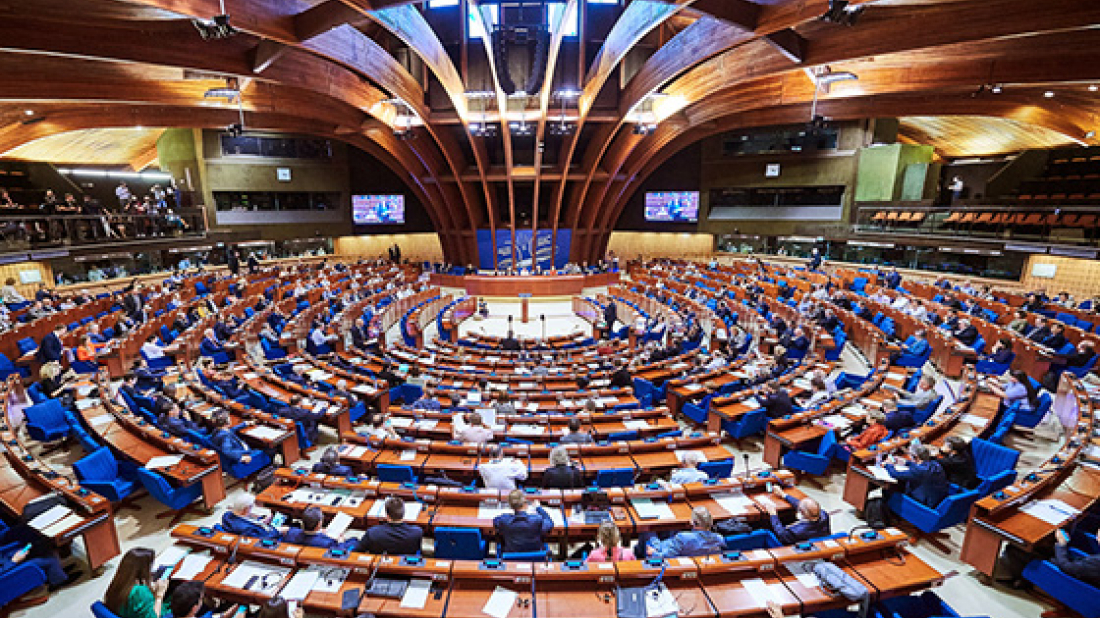
PACE's Spring session opens in Strasbourg with Georgia’s delegation under scrutiny. A key decision on April 10 may determine whether Georgia retains full representation—or joins Azerbaijan with restricted rights in the Assembly.
PACE Spring session kicks off in Strasbourg, and the question of Georgian delegation’s credentials promises to be one of the key topics this week.
Now all sights are set on April 10, when the Parliamentary Assembly will review its relations with Georgia.
The history of contentious relations goes back to January, when PACE granted Georgia’s delegation only partial recognition, citing democratic concerns and setting conditions for full approval — including the release of political prisoners and guarantees for free and fair elections.
PACE argues that since then, those demands have not been met, and further restrictions on Georgia’s delegation are now on the table.
If the Assembly decides to partially revoke or suspend the delegation’s rights, Georgia will join Azerbaijan as one of only two countries without full representation in PACE.
Members of the ruling Georgian Dream party, including Tea Tsulukiani, Mariam Lashkhi, and others, have already written individually to PACE’s president, requesting the termination of their mandates.
Despite this, Georgian officials insist the delegation is not being dissolved. According to Nikoloz Samkharadze, chair of the Foreign Affairs Committee, the structure remains intact, even if some members are removed.

Disruption in the Strait of Hormuz has increased the strategic importance of Bab al-Mandab, raising fears that instability in both waterways could trigger a wider global energy and trade crisis.
Flights at Catania airport in Sicily will remain suspended until early Friday as ash from Mount Etna continues to disrupt air travel, following hundreds of cancellations and diversions over the past week.
Iran says the Strait of Hormuz remains under its control, rejecting U.S. President Donald Trump’s claim of “total control” over the strategic waterway and insisting it will not reopen until Washington fulfils its commitments under an interim deal.
Iran and the United States remain at loggerheads over efforts to agree a permanent end to the war in the Gulf, according to a senior Iranian source who said there had been no progress in talks to revive the interim deal agreed in June and define a timeframe to implement it.
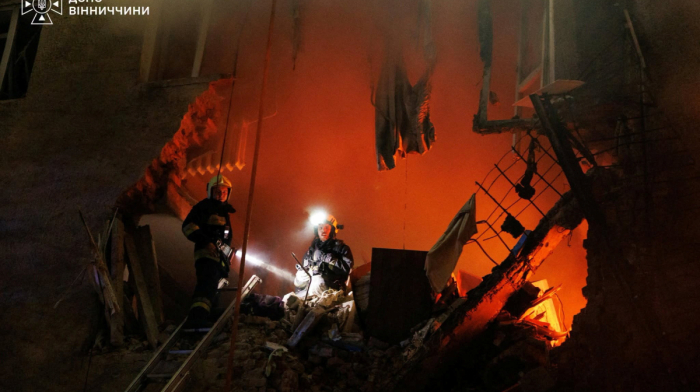
Russia has accused Ukraine of threatening global grain supplies after recent strikes on Black Sea agricultural infrastructure, while Moscow carried out a new overnight attack on Ukraine’s major Danube port of Izmail.
The suspension of two major grain terminals in Russia’s Black Sea port of Novorossiysk could increase pressure on Kazakhstan’s agricultural market if Russian exporters divert supplies to Central Asia at discounted prices.
Georgia’s Prime Minister says the EU’s inclusion of a major Black Sea cable project on a key infrastructure list is fresh evidence of the country’s importance to regional energy and digital connectivity.
Armenian Prime Minister Nikol Pashinyan has dismissed Security Council Secretary Armen Grigoryan and appointed former parliament speaker Alen Simonyan as his replacement.
Central Asia’s economy has surpassed $543 billion, driven by Kazakhstan’s economic weight, strong exports and foreign investment, while growing trade across Asia points to an increasingly connected region.
The United Nations refugee agency is planning a settlement and carpet-weaving workshop for Afghan returnees in Kabul as the country grapples with large-scale returns and growing pressure on housing, jobs and basic services.
You can download the AnewZ application from Play Store and the App Store.
What is your opinion on this topic?
Leave the first comment