Reuters investigation uncovers secret U.S.-led oil transfers near Hormuz
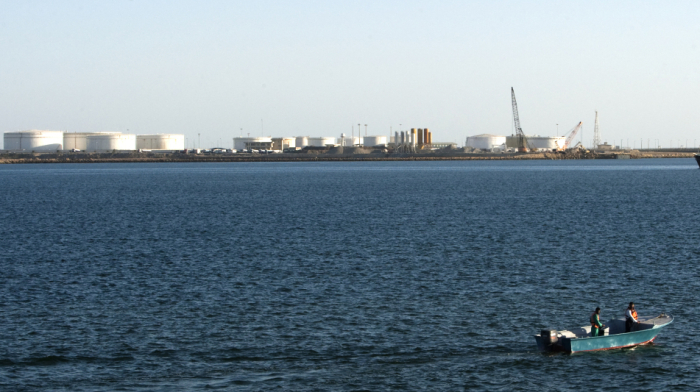
A secretive offshore oil transfer network backed by U.S. military support has helped keep Gulf energy exports flowing despite major disruption around ...
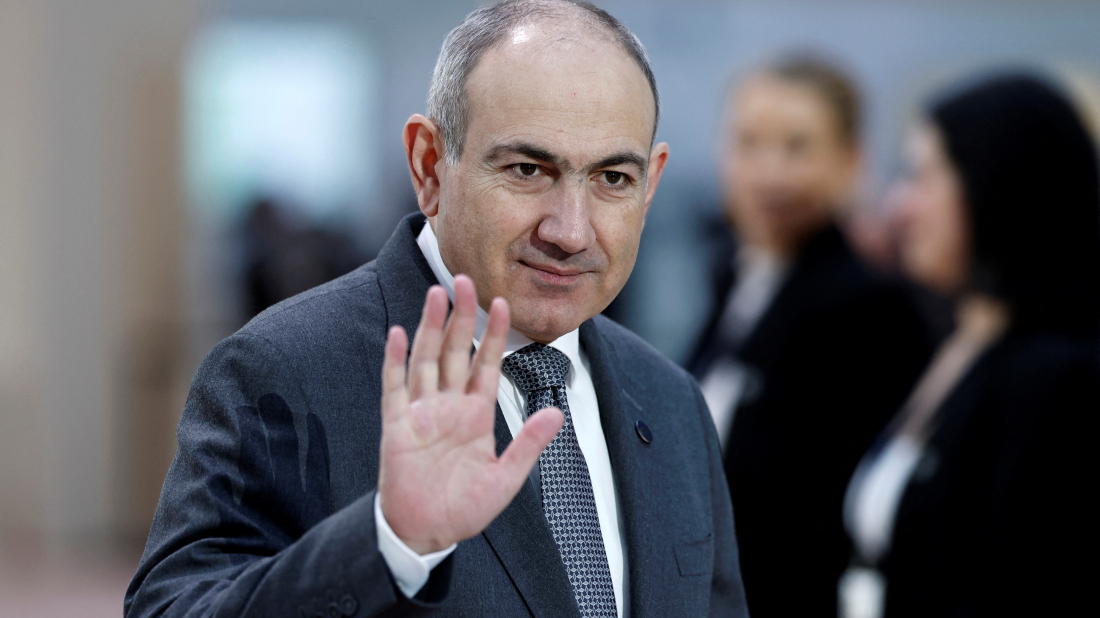
Armenian Parliament Speaker Alen Simonyan stated on Tuesday that there are no expected changes in Armenia’s relations with the Collective Security Treaty Organization (CSTO), despite ongoing discussions regarding the country’s stance on the military alliance.
Simonyan explained that he believed it was the CSTO that needed to reevaluate its role and existence, rather than Armenia altering its position. He emphasized that Armenia's relationship with Russia remained unchanged, despite the growing tensions and concerns that have surfaced in recent months.
Refuting claims of Armenia shifting its direction, Simonyan called such assertions untrue. His remarks come after Armenian Prime Minister Nikol Pashinyan's December 2024 statement, in which he declared that Armenia had effectively suspended its participation in the CSTO, asserting that the organization had reached a "point of no return" in its relationship with Armenia.
Simonyan's comments suggest that, despite Armenia’s withdrawal from certain CSTO activities, the country does not foresee a fundamental shift in its diplomatic ties with the organization or Russia in the near future.

Details of a reported draft memorandum of understanding between the United States and Iran offer the clearest picture yet of how both sides plan to end months of conflict and move towards a longer-term settlement.
The U.S. and Iran say they have reached a deal to end their conflict, with an immediate ceasefire and reopening of the Strait of Hormuz after the lifting of the U.S. naval blockade. Talks will continue over the next 60 days to finalise the agreement
A senior U.S. official said on Monday that the memorandum of understanding linked to the U.S.-Iran agreement had been signed by President Donald Trump, Vice President JD Vance and Iranian Parliament Speaker Mohammad Bagher Qalibaf.
Israeli Prime Minister Benjamin Netanyahu has told U.S. President Donald Trump that Israel does not consider itself bound by a Lebanon-related provision in an emerging agreement with Iran, according to Israeli officials.
Switzerland on Sunday rejected a referendum proposal to cap its population at 10 million, a projection showed, as voters prioritised economic stability and the country's ties with the European Union over immigration concerns.
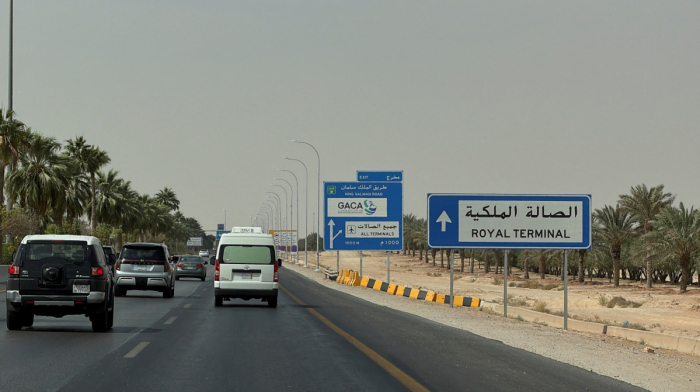
A secretive offshore oil transfer network backed by U.S. military support has helped keep Gulf energy exports flowing despite major disruption around the Strait of Hormuz, a Reuters investigation has found.
Oil prices edged lower on Tuesday (16 June) as traders assessed the possibility of oil supplies returning through the Strait of Hormuz following a preliminary agreement aimed at ending the conflict involving Iran.
In an historic milestone for South Caucasus diplomacy, Hikmat Hajiyev, Assistant to the President of the Republic of Azerbaijan, conducted his first working visit to Armenia on 14 June for a high-level meeting with Armen Grigoryan, Secretary of the Security Council of the Republic of Armenia.
Iran has said that reaching an agreement with the U.S. to end the war does not mean Tehran will overlook what it describes as war crimes committed against Iranians by Israel and the United States.
The Trans-Caspian East-West International Transport Corridor, commonly known as the Middle Corridor, is a multimodal trade route linking China and the European Union via Central Asia, the Caspian Sea, the Caucasus and Türkiye.
You can download the AnewZ application from Play Store and the App Store.
What is your opinion on this topic?
Leave the first comment