Armenia and Russia have agreed to establish a joint working group to tackle railway infrastructure problems as Yerevan considers changes to Russian management and pushes ahead with plans to restore regional transport links.
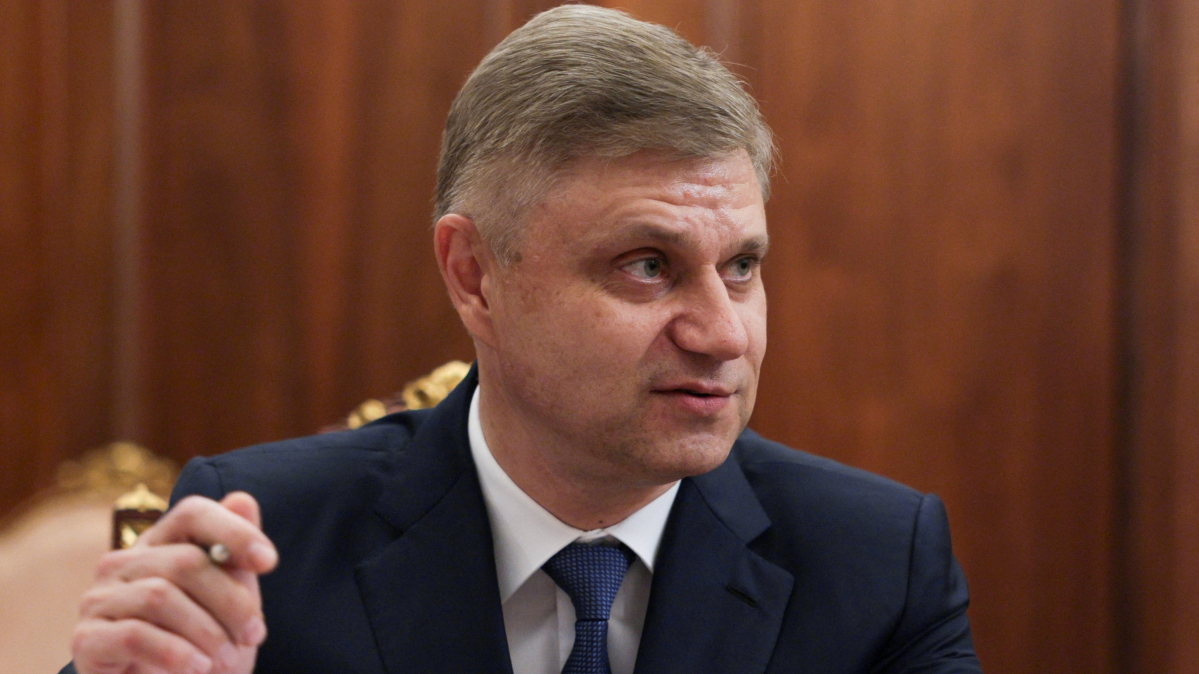
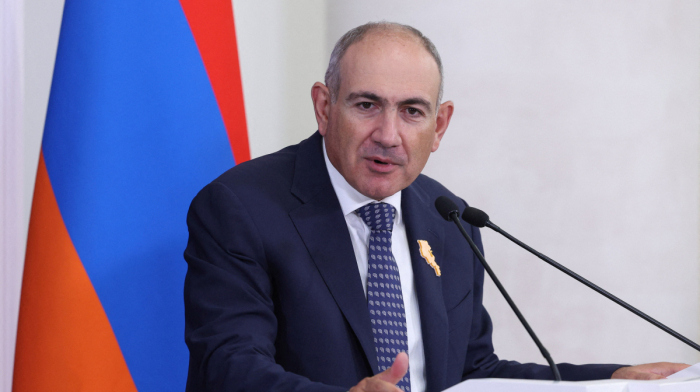
Armenian Prime Minister Nikol Pashinyan met Russian Railways chief Oleg Belozerov in Yerevan on Wednesday, 14 October, to discuss railway infrastructure improvements, management and operational challenges.
According to the Armenian government's press service, both sides agreed to set up a joint working group to identify solutions and decide on the next steps as quickly as possible.
Pashinyan said restoring regional transport links could make Armenia's railway network more competitive, connecting it more closely with neighbouring countries and international trade routes.
The talks also focused on plans to reconstruct the Gyumri–Akhurik–Türkiye border and Yeraskh–Nakhchivan railway sections.
Armenia weighs changes to Russian railway management
The meeting comes amid growing questions over the future of Armenia's railway network, which is operated by South Caucasus Railway, a subsidiary of Russian Railways.
In February 2026, Pashinyan proposed transferring management rights from Russia to another country with friendly ties to both Yerevan and Moscow, suggesting Qatar, the United Arab Emirates or Kazakhstan as possible alternatives.
He argued that Russian control of the network was undermining Armenia's competitiveness in regional transport projects.
On 30 July, Pashinyan said Armenia had $2 billion in financial claims against Russia linked to the railway concession.
He insisted that the infrastructure belonged to Armenia and that Yerevan could pursue legal action, including arbitration, although he preferred to settle the dispute through negotiations.
Belozerov, meanwhile, said Russian Railways remained committed to its obligations under the concession agreement but would seek reimbursement for its investments if Armenia ended or changed the deal.
According to Russian estimates cited in earlier reporting, more than 30 billion roubles have been invested in Armenia's railway network since the concession began.
Railway plans linked to regional connectivity
The talks come as Armenia and Azerbaijan work towards restoring transport connections across the region.
At a summit in Washington on 8 August 2025, Azerbaijani President Ilham Aliyev and Pashinyan signed a joint declaration, witnessed by U.S. President Donald Trump, setting out plans to improve regional connectivity.
The declaration called for unimpeded transport between mainland Azerbaijan and its Nakhchivan Autonomous Republic via Armenia, while highlighting potential benefits for Armenia's own domestic and international connections.
It also set out plans for the Trump Route for International Peace and Prosperity (TRIPP), a transport project involving Armenia, the U.S. and mutually agreed third parties.
On 26 May 2026, Armenia and the U.S. published a cooperation framework for TRIPP, outlining their intention to develop the project into a regional trade route.
Rebuilding railway links towards Türkiye and Nakhchivan is therefore a key part of Armenia's efforts to strengthen its position in regional transport networks.
The newly agreed working group will now examine the infrastructure and management challenges facing Armenia's railways. However, neither side announced concrete solutions or changes to the existing concession agreement.











What is your opinion on this topic?
Leave the first comment