Georgia is using a two-day maritime forum in Batumi to strengthen its case as a key trade link between Europe and Asia, bringing together international shipping officials, industry leaders and regional ministers for talks on ports, safety and connectivity.
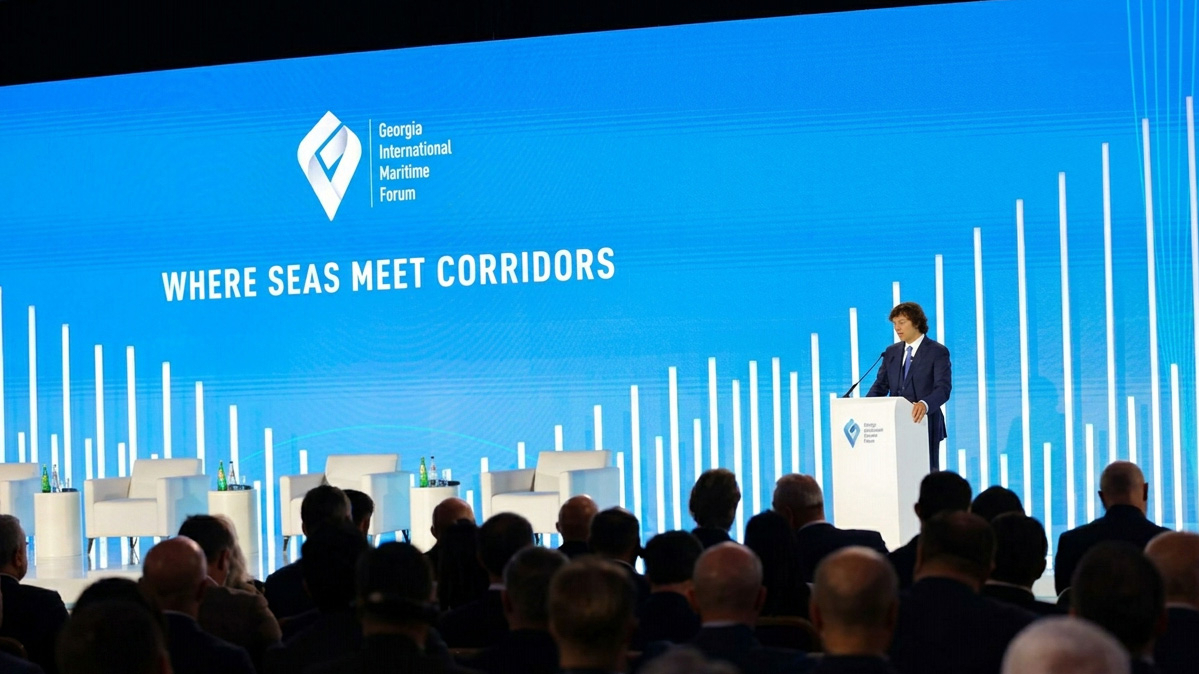
More than 300 delegates from dozens of countries are attending the International Maritime Forum in Batumi, running under the slogan “Where Seas Meet Corridors”. Held under the patronage of Georgia’s Prime Minister and organised by the country’s Maritime Transport Agency, the event is centred on a clear message: Georgia wants to capitalise on its Black Sea ports and strategic location to become a major transit point for trade between Asia and Europe.
At the heart of that ambition is the Middle Corridor, the trade route linking Asia and Europe through Central Asia, the Caspian Sea and the South Caucasus.
Talks with the IMO chief
Prime Minister Irakli Kobakhidze held separate talks with Arsenio Dominguez, Secretary-General of the International Maritime Organization (IMO), and thanked him for the organisation’s role in modernising Georgia’s maritime sector.
The two sides agreed to deepen cooperation on maritime safety, environmental standards and digital connectivity. Kobakhidze also highlighted the government’s infrastructure plans, including the modernisation of airports and railways as well as the Anaklia deep-sea port, which is expected to receive its first ships by 2029.
Speaking to Anewz, Dominguez said his return to Georgia after a year away was deliberate. He pointed to the country’s roughly 20,000 qualified seafarers as evidence of its importance to the maritime industry and described cooperation between ships and ports in Georgia as an example for other maritime nations.
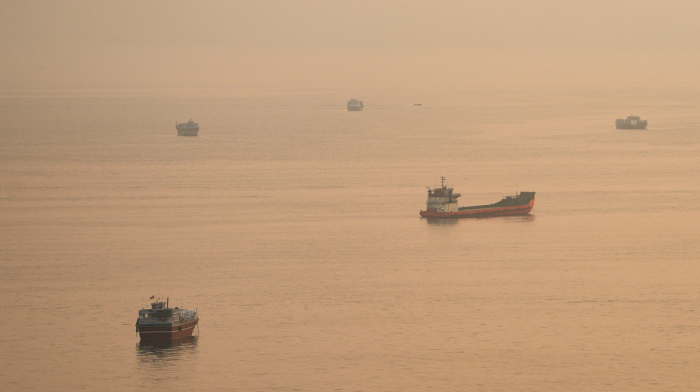
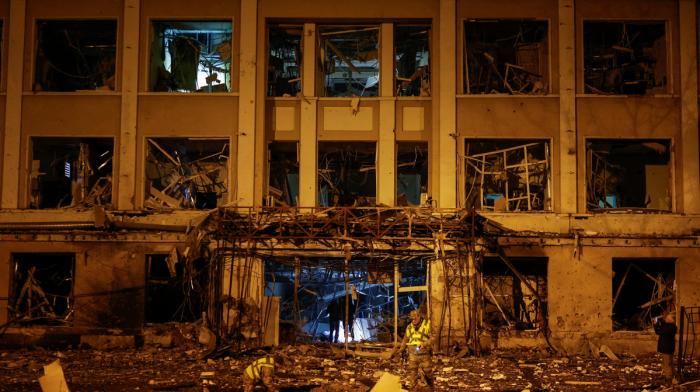
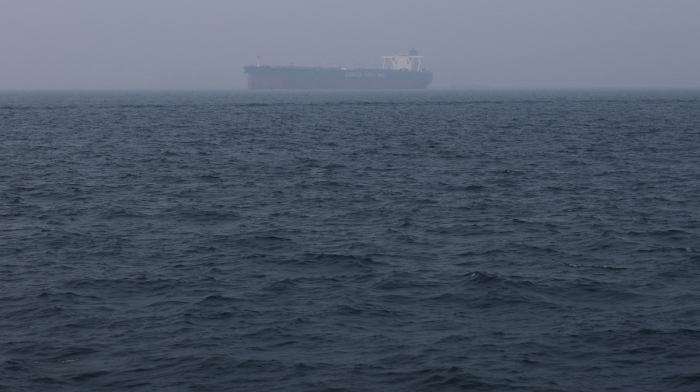
He also highlighted mounting pressure on the global shipping industry, with conflicts in the Black Sea, Red Sea and around the Strait of Hormuz, alongside rising piracy off Somalia, putting seafarers at growing risk.
Georgia, he told Anewz, is directly exposed to those pressures as a seafaring nation - but its position also gives the country a stake in seeking solutions through the IMO and the UN, “for the benefit of shipping around the world, which we know transports over 18 per cent of goods for everybody on this planet.”
Cargo growth strengthens Georgia’s case
Speaking to Anewz, Kobakhidze pointed to rising cargo volumes as evidence of Georgia’s growing role as a transit hub.
Port cargo turnover rose by 24 per cent during the first seven months of this year compared with the same period last year, while cargo moving through the Middle Corridor has grown roughly sevenfold since 2020.
Kobakhidze linked the growth to a wider diplomatic drive that has included three state visits to Central Asia in recent months, visits to Georgia by two Central Asian presidents and close ties with Azerbaijan and Armenia.
The aim, he said, is to help connect seven landlocked countries to the Black Sea and, from there, European markets. Georgia plans to invest $7 billion in ports and other infrastructure over the coming years to support that ambition.
But Kobakhidze also acknowledged the security risks surrounding Georgia’s strategy.
Asked by Anewz whether the approach could help the country establish itself as a regional hub while managing those concerns, Kobakhidze said Georgia’s foreign policy was focused on making the most of its geographical position between Europe and Asia.
With a war ongoing in the region, however, he said, “we must not lower our guard” - underscoring the government’s view that economic expansion must go hand in hand with security vigilance.
Maritime industry backs training push
The Prime Minister also met Andreas Hadjipetru, President and CEO of Columbia Group, for talks on the company’s role in employing Georgian seafarers and supporting the country’s maritime industry.
Discussions covered growing cargo flows, construction of the Anaklia port and plans for joint training programmes aimed at improving the skills and qualifications of Georgian seafarers.
Armenia joins regional connectivity talks
Separately, Economy Minister Mariam Kvrivishvili met Armenia’s Minister of Territorial Administration and Infrastructure, Davit Khudatiani, on the sidelines of the forum.
The two ministers discussed cooperation in trade, energy, transport and tourism, adding another regional dimension to Georgia’s drive to strengthen connectivity between the Black Sea, the South Caucasus and markets further east.
Georgia’s wider Black Sea ambition
Taken together, the meetings underline a broader strategy: Georgia is seeking to turn its Black Sea location into a major transit hub, supported by infrastructure investment, maritime training and diplomatic outreach across the region.
The country’s position offers significant opportunities as trade routes between Asia and Europe evolve, but the success of that ambition will also depend on factors beyond Tbilisi’s control, including regional conflicts, maritime security and the pace at which major infrastructure projects are delivered.
The forum is due to continue in Batumi through Tuesday.















What is your opinion on this topic?
Leave the first comment