Armenia and Azerbaijan have agreed on a landmark internet deal that will allow traffic to pass through Azerbaijani networks.It's the latest deal to highlight the ongoing peace process between the two countries.
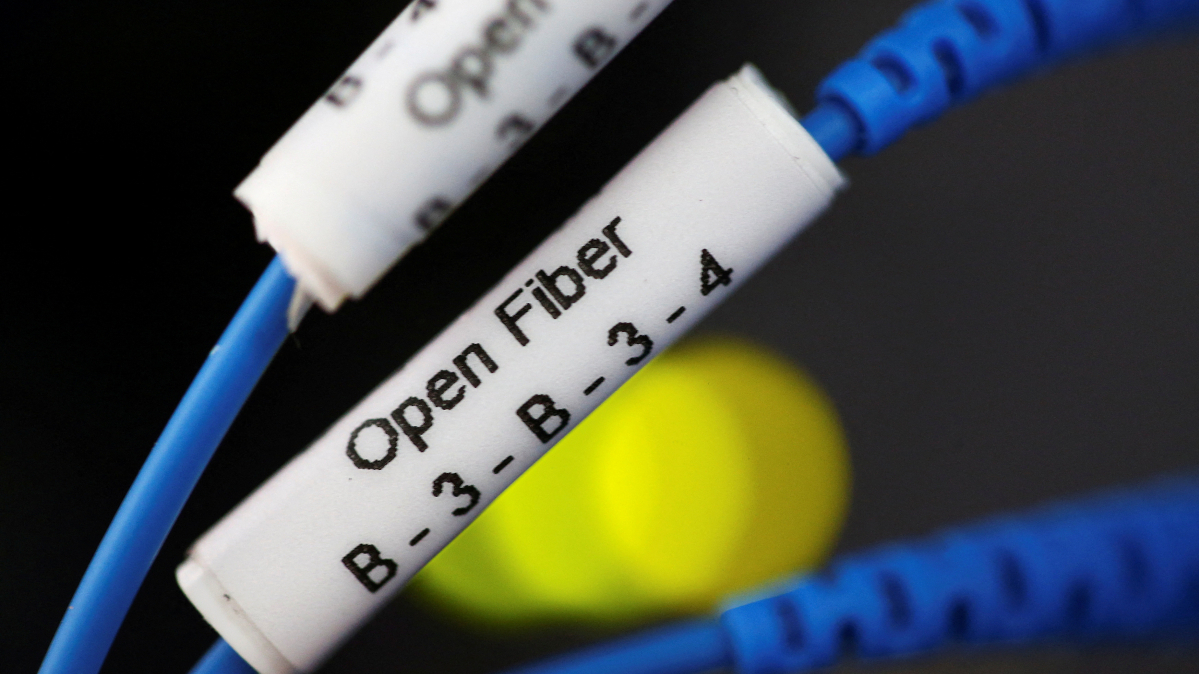
AzerTelecom, an Azerbaijani internet operator, and Telecom Armenia signed bilateral agreements allowing international internet traffic to reach Armenia via Azerbaijani territory.
Under the deal, AzerTelecom says it will widen its geographical reach and the number of countries it serves, while also acting as a transit provider for traffic heading into Armenia using its own network infrastructure.
The companies say the arrangement is intended to diversify connectivity routes in the South Caucasus, improve the resilience of regional telecommunications networks, and deepen co-operation in the sector.
Armenia's main fibre-optic link to the wider internet currently runs north through Georgia, with secondary capacity via Iran. Observers say both routes have long been viewed as vulnerable to disruption.
AzerTelecom and Telecom Armenia did not disclose further commercial or technical details of the agreement.
The companies involved
AzerTelecom, founded in 2008, describes itself as the region's leading wholesale internet operator, offering high-speed connectivity, data transmission and security services such as DDoS protection.
It operates within Azerconnect Group, an Azerbaijani technology business founded in Baku in 2013, which sits under NEQSOL Holding, a conglomerate with interests in energy, telecoms, technology and construction.
AzerTelecom is also behind the Digital Silk Way project, which the company says will create a new digital corridor between Europe and Asia, including a planned fibre-optic cable beneath the Caspian Sea.
Telecom Armenia, marketed as "Team", traces its history back to Armenia's first telecommunications network. It later operated under the names Armentel and Beeline, before a company controlled by Armenian businessmen Hayk and Alexander Yesayan acquired it in 2020.
It became the first Armenian telecoms firm to list shares on the Yerevan stock exchange, and has secured financing from the International Finance Corporation and the European Bank for Reconstruction and Development to expand its network.
Fuel and freight already moving
The telecoms agreement comes as physical trade between the two countries continues to grow. According to Report.az, 17 rail cars carrying 1,000 tonnes of diesel fuel were sent from Azerbaijan to Armenia, alongside a separate shipment of 1,260 tonnes of wheat moved in transit from Russia through Azerbaijan to Armenia.
Report.az says that, in total, more than 13,000 tonnes of diesel and over 4,000 tonnes of petrol have been exported from Azerbaijan to Armenia, while over 32,000 tonnes of grain, more than 7,000 tonnes of fertiliser, and smaller quantities of aluminium, buckwheat and anthracite have passed from Russia to Armenia via Azerbaijani territory.
Earlier shipments this year, the agency reported, included nearly 2,000 tonnes of diesel and 135 tonnes of fertiliser in March, and a further 887 tonnes of diesel in April.
Part of a wider thaw
These developments follow a peace agreement initialled by Armenia and Azerbaijan in Washington in August 2025. The deal was brokered by the United States and is aimed at ending roughly three decades of conflict centred on the Garabagh region of Azerbaijan.
The accord also outlined a transport corridor through southern Armenia, referred to by Baku as the Zangezur corridor and by Washington as the Trump Route for International Peace and Prosperity (TRIPP), linking mainland Azerbaijan to its Nakhchivan exclave.
Analysts say such infrastructure projects reflect a broader pattern in which Yerevan and Baku are using connectivity to underpin a fragile political normalisation.
Some specialists argue that the development ties Armenia into a wider re-routing of Eurasian trade away from Russia, with EU funding and policy support, including the North-South road and the Global Gateway initiative, already flowing into Armenian connectivity projects.


















What is your opinion on this topic?
Leave the first comment