Yemeni separatist leader Zubaidi flees ahead of Saudi-UAE talks in Riyadh
The head of the United Arab Emirates‑backed Southern Transitional Council (STC) of Yemen, Aidarous al-Zubaidi, has fled to an unknown location on We...
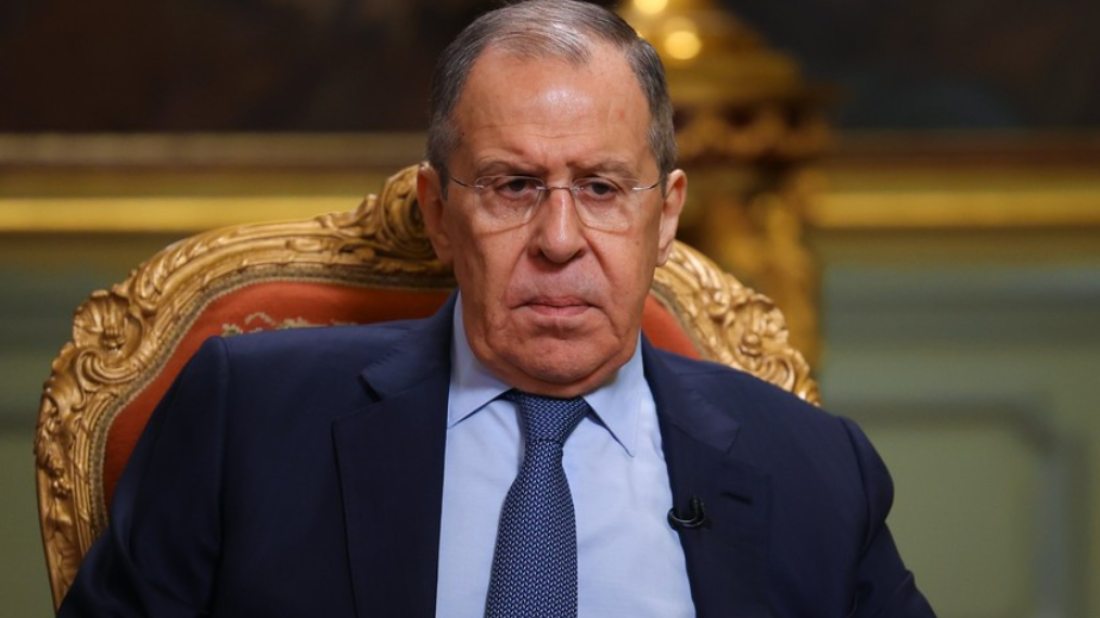
Russia has expressed its readiness to assist in normalizing relations between Azerbaijan and Armenia, as Foreign Minister Sergey Lavrov emphasized during talks with Armenia's Foreign Minister Ararat Mirzoyan.
Russia has reaffirmed its commitment to supporting the normalization of relations between Azerbaijan and Armenia, according to Russian Foreign Minister Sergey Lavrov.
During a meeting with Armenian Foreign Minister Ararat Mirzoyan, Lavrov stated that Russia is prepared to assist in all areas of the normalization process, building on the trilateral agreements reached by the leaders of Armenia, Azerbaijan, and Russia in 2020 and 2022.
Lavrov’s comments come as part of ongoing efforts to stabilize the South Caucasus region, which has been marked by long-standing tensions between the two nations. The agreements made in 2020 and 2022 aimed to establish peace and cooperation, and Russia has positioned itself as a key player in facilitating further dialogue between Baku and Yerevan.
"Russia is ready to provide necessary assistance in normalizing relations across all tracks, and we remain committed to developing the trilateral agreements reached by the leaders of the three countries," Lavrov emphasized.
In addition to addressing the Azerbaijan-Armenia conflict, Lavrov highlighted the strengthening of Russia-Armenia bilateral relations, particularly in trade and economic sectors.
According to Lavrov, the trade turnover between the two countries has surged, reaching a record nearly $12 billion in the past year. This marks a significant increase in economic ties, underscoring the growing partnership between the two nations.
The diplomatic discussions come at a critical juncture, with both Azerbaijan and Armenia seeking stability after the Karabakh conflict and the ongoing challenges of reconciliation. Russia's role as a mediator remains crucial in ensuring that the peace process moves forward while addressing the interests and concerns of both parties.
As the situation in the South Caucasus continues to evolve, Moscow’s involvement in facilitating dialogue and promoting mutual understanding between Azerbaijan and Armenia is expected to remain a pivotal aspect of the region’s geopolitical landscape.

Germany’s foreign intelligence service secretly monitored the telephone communications of former U.S. President Barack Obama for several years, including calls made aboard Air Force One, according to an investigation by the German newspaper Die Zeit.
Israeli media report that Israeli Prime Minister Benjamin Netanyahu chaired a lengthy security meeting that reportedly focused on the country’s regional threats, including Gaza, Lebanon, and Iran.
At the end of last year, U.S. President Donald Trump was reported to have raised the Azerbaijan–Armenia peace agenda during a conversation with Israel’s prime minister, warning that if peace were not achieved, Washington could raise tariffs on both countries by 100 percent.
President Ilham Aliyev said 2025 has politically closed the Armenia-Azerbaijan conflict, as a Trump-era reset in U.S. ties, new transport corridors and a push into AI, renewables and defence production reshape Azerbaijan’s priorities.
Protests continued into another day in Iran, with crowds returning to the streets despite mounting pressure from the authorities. By scale and spread, the unrest has entered its most significant phase so far.
The head of the United Arab Emirates‑backed Southern Transitional Council (STC) of Yemen, Aidarous al-Zubaidi, has fled to an unknown location on Wednesday (7 January), skipping a scheduled flight to Riyadh for crisis talks, according to Saudi‑backed coalition officials.
Iran has executed a man accused of spying for Israel’s Mossad intelligence service, the country’s judiciary reported on Wednesday, 7 January, amid an intensifying campaign against alleged foreign agents.
Protests continued into another day in Iran, with crowds returning to the streets despite mounting pressure from the authorities. By scale and spread, the unrest has entered its most significant phase so far.
International law remains codified through treaties, charters, and resolutions, but enforcement depends largely on political will. When major powers choose not to comply, there is no global authority capable of compelling implementation.
President Ilham Aliyev has said Azerbaijan is not considering participation in any combat or peace enforcement mission in the Gaza Strip, stressing that any discussion of involvement depends on a clearly defined international mandate, the nature of the mission, and the consent of all parties.
You can download the AnewZ application from Play Store and the App Store.
What is your opinion on this topic?
Leave the first comment