At least four dead, including two teenagers, after train collides with school bus in Belgium
Four people have been killed, including two teenagers, after a train crashed into a school bus on Tuesday morning in the northern Belgian town of Bu...
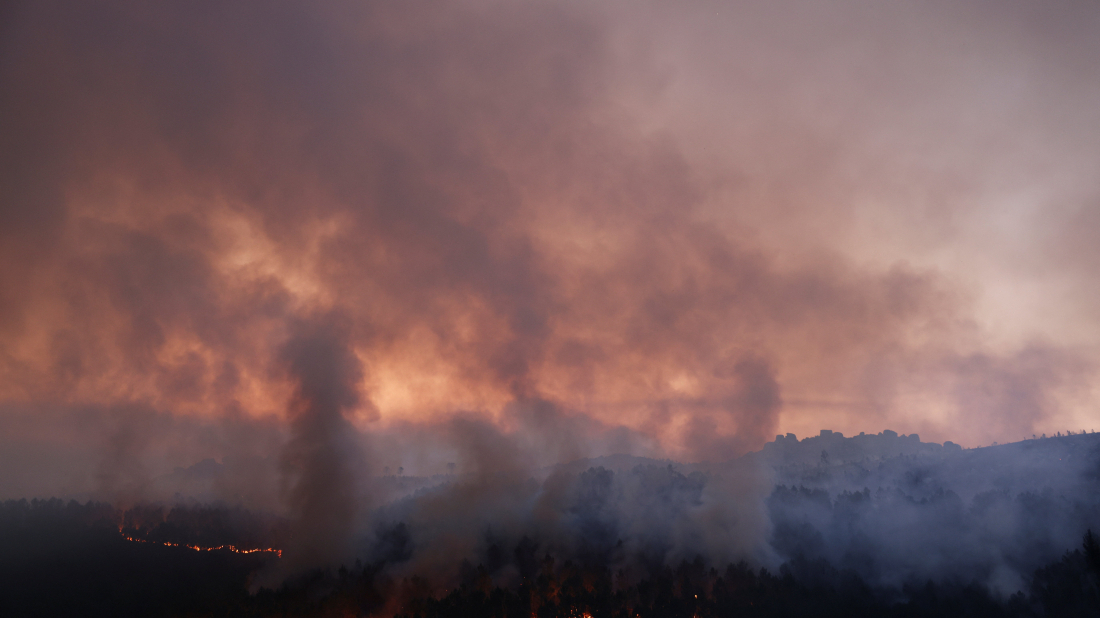
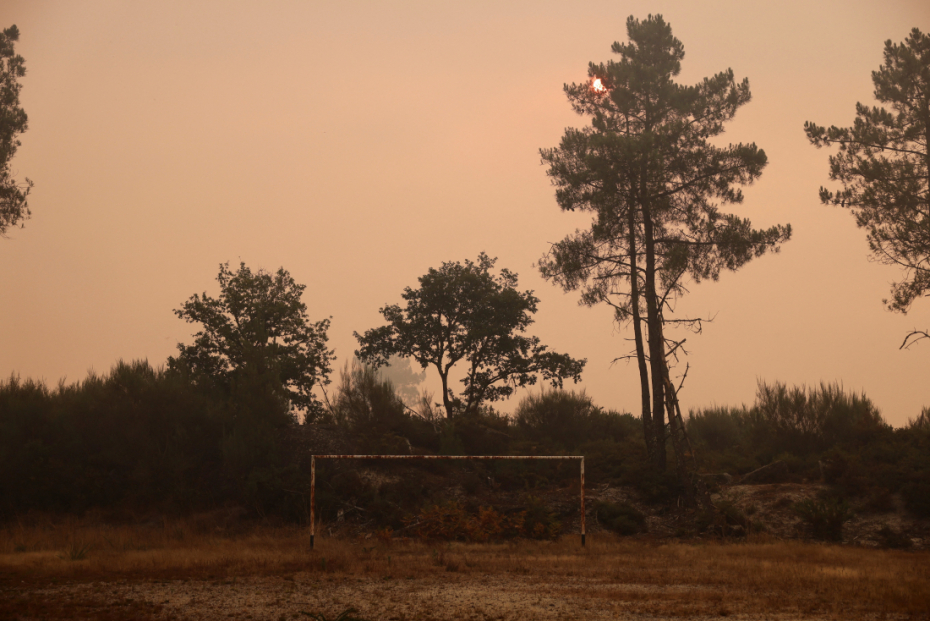
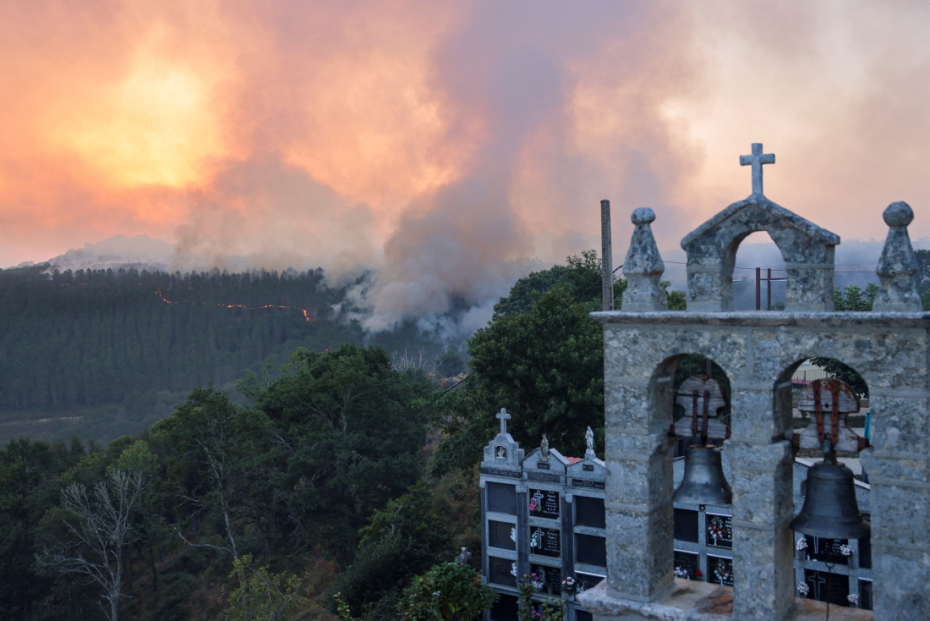
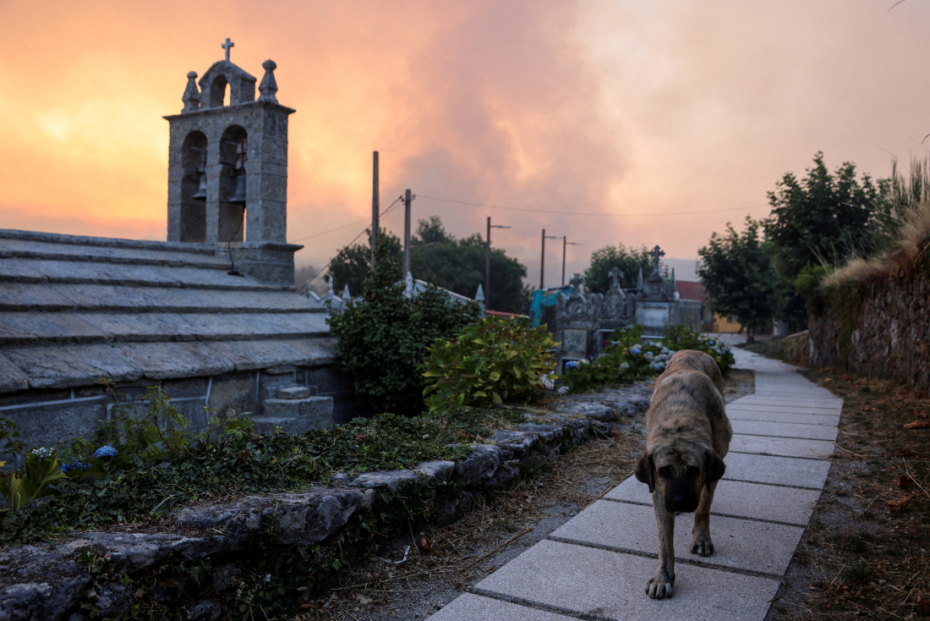
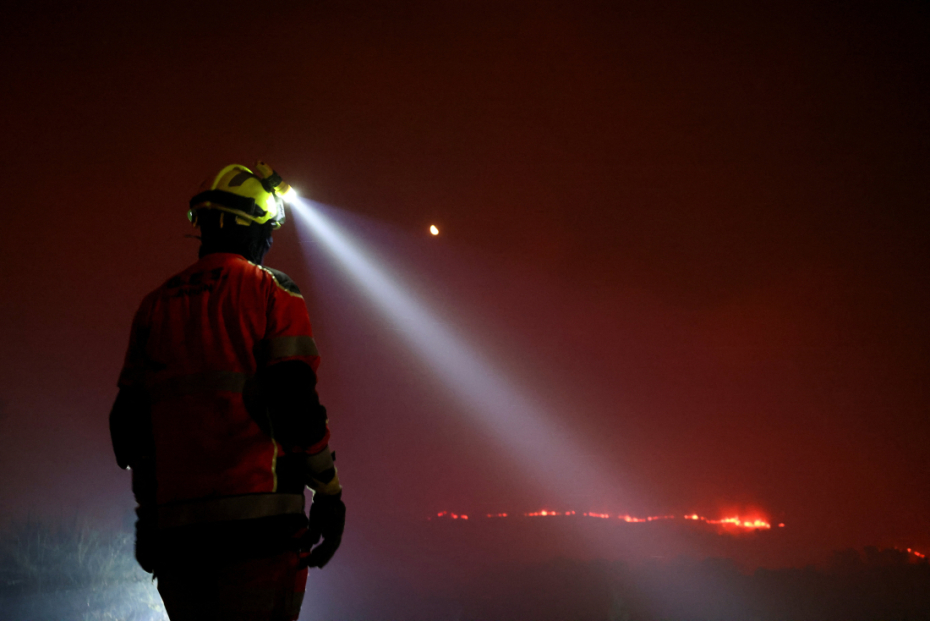
Spain has deployed hundreds more troops to fight 20 major wildfires as extreme heat fuels one of the worst fire seasons in southern Europe in two decades.
In the northwestern region of Galicia, several blazes have merged into a large fire, forcing the closure of highways and rail links. Villagers in places such as Villardevos have resorted to buckets of water after electricity cuts prevented pumps from working.
“The fireplanes come in from all sides, but they don’t come here,” local resident Basilio Rodriguez told Reuters.
Deadly season
Spain has lost more than 115,000 hectares to fire in the past week, with three deaths reported. Temperatures are expected to rise to 45 degrees Celsius (113 Fahrenheit) in some areas, according to weather agency AEMET.
Prime Minister Pedro Sanchez, speaking in the hard-hit Ourense region, warned of “challenging days ahead” and announced an increase in military reinforcements to 1,900 troops.
Adverse conditions
Emergency services chief Virginia Barcones said extreme heat and high fire risk were making containment efforts harder, though cooler weather was forecast from Tuesday.
Interior ministry data show 27 people have been arrested and 92 placed under investigation for suspected arson since June.
Portugal also hit
Neighbouring Portugal is facing its own crisis, with about 155,000 hectares burned this year — triple the long-term average. About half of that area was lost in the past three days.
Thousands of firefighters are battling eight large fires in central and northern Portugal, including one near the tourist area of Piodao. Another blaze in Trancoso has been burning for more than a week. A smaller fire nearby killed a resident on Friday — the country’s first wildfire death this season.

A peace agreement between Washington and Tehran is yet to materialise, with U.S. President Donald Trump saying that negotiations are incomplete and an Iranian Foreign Ministry Spokesman saying that a deal isn't imminent.
Start your day informed with the AnewZ Morning Brief. Here are the top stories for 25th May, covering the latest developments you need to know.
The World Health Organization warned on Monday that the fast-moving Ebola outbreak in the Democratic Republic of the Congo and Uganda was outpacing response efforts, with 220 suspected deaths reported so far.
As dawn broke on Monday, pilgrims began arriving at the sacred site of Mina west of Mecca, marking the start of Hajj - one of the most significant spiritual journeys in Islam.
The UK is experiencing potentially record-breaking temperatures after forecasters confirmed some areas reached highs close to 34°C on Monday.
Four people have been killed, including two teenagers, after a train crashed into a school bus on Tuesday morning in the northern Belgian town of Buggenhout, the country's Transport Minister Jean-Luc Crucke has said.
Seven people have died in France in incidents linked directly or indirectly to an ongoing early-summer heatwave, as large parts of western Europe continue to experience unusually high temperatures.
Thai-based cave divers have joined international efforts to rescue seven villagers trapped in a flooded gold mining cave in remote Laos after days of heavy rain cut off access underground.
Emergency teams rescued 320 tourists stranded in 65 cable cars in Kashmir after a gondola disruption triggered a six-hour evacuation operation.
Muslim pilgrims are gathering gathering at Mount Mercy on the Plain of Arafat in Saudi Arabia to mark the Hajj pilgrimage’s most important day.
You can download the AnewZ application from Play Store and the App Store.
What is your opinion on this topic?
Leave the first comment