The results of Armenia’s parliamentary elections will determine the makeup of the National Assembly and shape the country's political direction for the foreseeable future. But in Armenia, the final result is not decided by vote percentages alone. Here's how it works.
Ballots pass through a seat allocation system before they become political power. That system can change the relationship between a party’s vote share and its final share of seats in parliament.
Under Armenia’s latest election code changes, the threshold for parties has been lowered from five percent to four percent. Blocs face a higher bar. Those made up of three or fewer parties need eight percent, while blocs with four or more parties need 10 percent.
Parliament must also include at least three political forces. This means a party or bloc may enter parliament even if it falls below the formal threshold, if the minimum-three rule applies.
There is no minimum turnout requirement for parliamentary elections.
How the calculation works
The first stage is the electoral threshold. Only the votes of parties and blocs that enter parliament are included in the seat allocation formula. Votes for parties left outside parliament are not counted in this stage. That is why a party’s vote share and its seat share may not be the same.
The methodology then moves through three main stages. First, the electoral threshold is applied. Second, four ethnic minority bonus seats are distributed. Third, the effective opposition adjustment may be applied if the governing party exceeds the two-thirds limit.
What happened in 2021
The 2021 parliamentary election shows how the system works in practice. Nikol Pashinyan’s Civil Contract party received 688,761 votes. Using the first seat allocation formula, that result gave the party 68 seats.
The Armenia Alliance received 268,300 votes and gained 26 seats. The I Have Honour Alliance received 66,650 votes and gained 7 seats.
But the process did not end with the first allocation. After that stage, Armenia added four seats reserved for ethnic minority representatives. Civil Contract received three of those seats, while the Armenia Alliance received one.
That raised Civil Contract from 68 to 71 seats. The Armenia Alliance moved from 26 to 27 seats. Then came the effective opposition adjustment.
Because Civil Contract exceeded the two-thirds limit, two additional seats were added for the opposition. Both went to the Armenia Alliance. The final result was 71 seats for Civil Contract, 29 for the Armenia Alliance and 7 for the I Have Honour Alliance.
Why it matters
This is why Armenia’s election result is shaped by ballots, but also by calculations made after the vote. Votes are counted first. Then they are converted into seats and therefore political power.
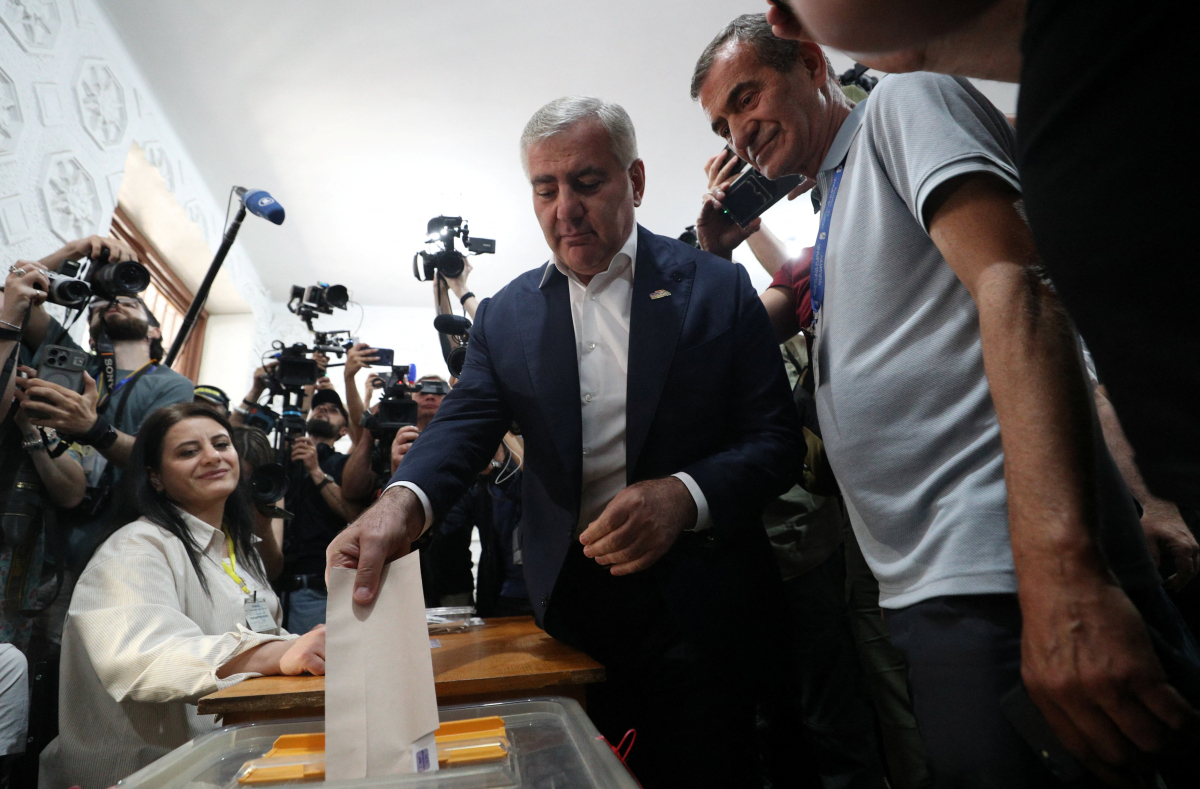
Pashinyan's Civil Contract party needs more than 50 per cent of seats in parliament for it to be able to rule alone under Armenia's electoral rules. If it fails to acheive this, then the opposition blocs could unite to create a majority and form the next government.
But the opposition blocs also face their own obstacles. Samvel Karapetyan's Strong Armenia alliance is made up of three parties so requires at least eight per cent of the vote to enter parliament.
















What is your opinion on this topic?
Leave the first comment