live U.S., Iran reach preliminary peace deal, Friday signing expected
U.S. and Iranian officials said they had agreed on a framework to end their war, halt the U.S. blockade of Iran and reopen the Strait of Hormuz, a pre...
As Armenia heads toward parliamentary elections on 7 June, the country's relationship with Azerbaijan is emerging as one of the defining issues of the campaign, with analysts and international observers highlighting the role of regional politics in shaping voters’ mindsets.
While economic and domestic concerns remain central to the race, questions surrounding security, peace negotiations and Armenia's future regional positioning have increasingly moved into the spotlight.
Global voices weigh in
Several international publications have recently examined how changing dynamics in the South Caucasus are influencing Armenia's political landscape.
According to Forbes, Russian political analyst Sergey Markedonov argued that recent developments in the region have altered the balance of influence in favour of Azerbaijan.
Italian publication Ore 12 said Armenia currently lacks a clear external security guarantor, pointing to what it described as the limited effectiveness of international security mechanisms in the South Caucasus.
Romanian newspaper Cotidianul linked the election campaign directly to the ongoing peace process between Armenia and Azerbaijan. The publication noted that a final peace agreement has yet to be signed and that constitutional reforms remain among the issues being discussed.
The issue has also become a point of contention within Armenia's domestic political arena.
Opposition figures have accused Prime Minister Nikol Pashinyan and his government of making excessive concessions in negotiations with Baku, while supporters of the current approach argue that a comprehensive peace agreement could bring long-term stability and economic opportunities.
With the elections just days away, the current debate among voters reflects broader questions over how the country should navigate its security challenges and regional relationships following major geopolitical changes in recent years.As campaigning enters its final days, analysts say the future of Armenia's relations with Azerbaijan is likely to remain a central theme in political discussions, with the outcome of the election potentially shaping the next phase of the peace process and regional diplomacy.
Details of a reported draft memorandum of understanding between the United States and Iran offer the clearest picture yet of how both sides plan to end months of conflict and move towards a longer-term settlement.
Pakistan has warned that any attempt by India to block or significantly reduce river flows under the Indus Waters Treaty could have “far-reaching consequences”, after India's water minister said New Delhi was working to ensure that “not a single drop” of water reaches Pakistan in the coming years.
Armenia has every right to choose Europe. But Europe’s support for Armenia’s direction should not become automatic approval of its political process.
The U.S. and Iran say they have reached a deal to end their conflict, with an immediate ceasefire and reopening of the Strait of Hormuz after the lifting of the U.S. naval blockade. Talks will continue over the next 60 days to finalise the agreement
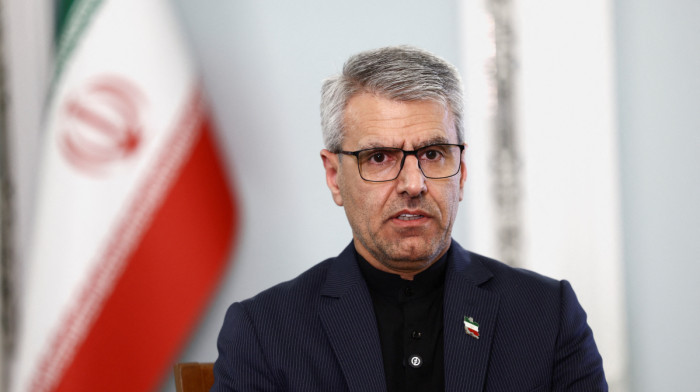
U.S. President Donald Trump has said a peace agreement with Iran is scheduled to be signed on Sunday in a post on social media, despite Tehran's Foreign Ministry spokesperson Esmaeil Baghaei saying no deal would be approved this weekend.
Monday 15th June, marks the fifth anniversary of the signing of the Shusha Declaration, a landmark agreement that formally elevated relations between Azerbaijan and Türkiye to the level of an alliance and further strengthened the long-standing ties between the two nations.
Türkiye and Saudi Arabia are aiming to establish a railway connection linking the two countries through Syria and Jordan within the next three to four years, according to Turkish Transport Minister Abdulkadir Uraloğlu.
As football supporters around the world follow the 2026 FIFA World Cup, a group of young women in Gaza are fighting a very different battle - rebuilding their lives through the sport they love after losing limbs during the war.
At least six Palestinians were killed in Israeli strikes and gunfire across the Gaza Strip on Sunday, 14 June, according to local health officials, as mediators intensified efforts to keep fragile ceasefire negotiations alive.
Senior officials from Azerbaijan and Armenia held a working meeting in Dilijan, Armenia, on 14 June to discuss issues related to the peace agenda between the two countries.
You can download the AnewZ application from Play Store and the App Store.
What is your opinion on this topic?
Leave the first comment