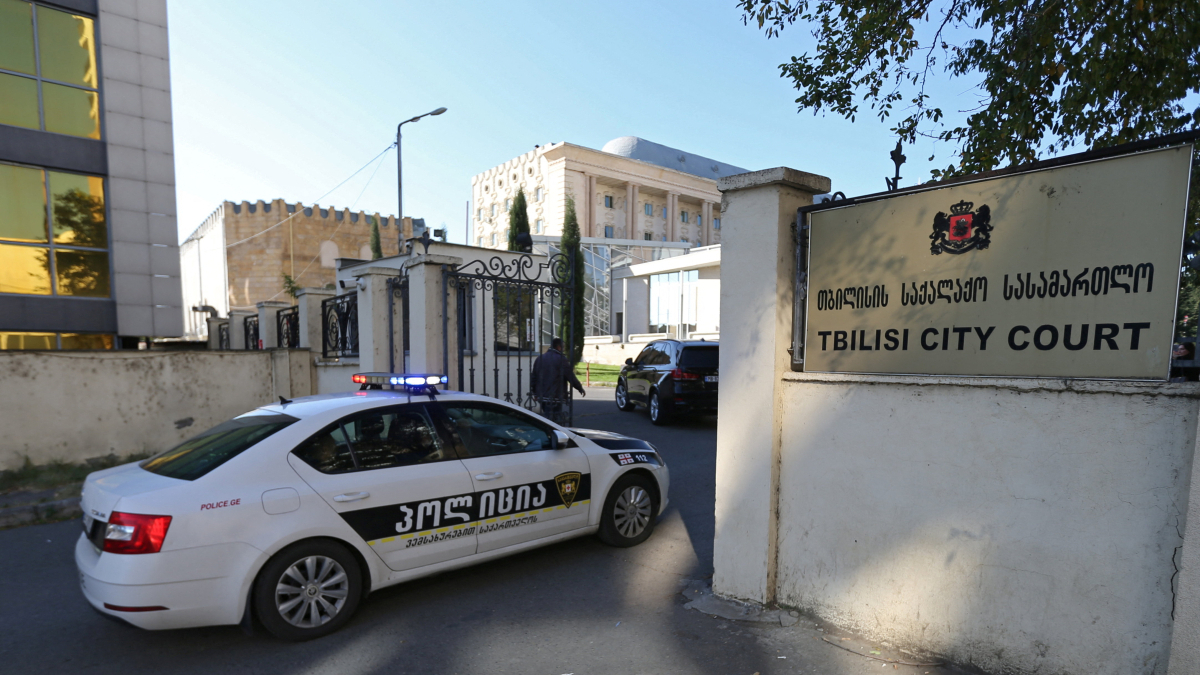
The arrest of several Georgian police officers accused of violence during anti government protests last week has placed renewed focus on police accountability, democratic standards and Georgia’s European Union ambitions.
While EU officials described the arrests as an important step towards ending impunity, Georgian authorities defended the broader actions of law enforcement during the demonstrations, arguing that officers protected the state from unrest and political destabilisation.
Speaking during Europe Day (9 May) events in Tbilisi, EU Ambassador to Georgia Pavel Herchinsky welcomed the detention of officers linked to violence against protesters, journalists and opposition figures during the 2024 demonstrations. He said the arrests showed movement towards accountability and stressed that the rule of law remains a key condition for countries seeking EU membership.
According to Herchinsky, the EU expects candidate countries to protect democratic institutions, ensure judicial independence and properly investigate abuses of power. He also warned that Georgia was losing valuable time in its integration process as tensions with Brussels continue to grow.
The arrests come after months of criticism from local rights groups, opposition parties and international partners over the lack of accountability for police violence during the protests. Until now, no law enforcement officials had faced criminal consequences despite multiple publicly documented incidents involving excessive force.
Georgian government reaction
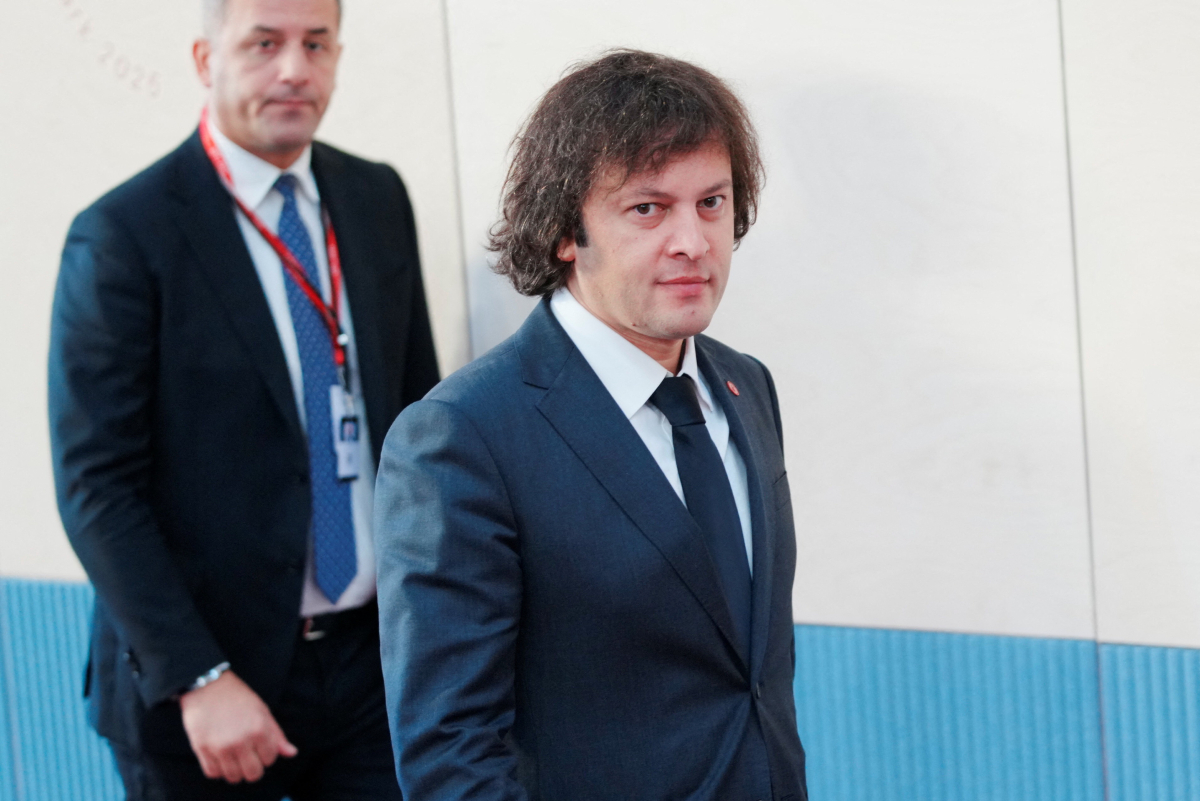
Prime Minister Irakli Kobakhidze presented the arrests as proof that the government respects the rule of law and responds to legal violations regardless of who is involved. However, while acknowledging misconduct by certain officers, he avoided directly condemning police violence during the demonstrations. Instead, Kobakhidze repeatedly focused on what he described as violent attempts to destabilise the country and overthrow the government.
Parliament Speaker Shalva Papuashvili took a similar approach. While recognising that abuses of power had occurred and supporting investigations where evidence exists, he strongly defended the actions of police forces overall. Papuashvili praised officers for protecting state institutions during the protests and argued that they had prevented attacks involving Molotov cocktails, fires and attempts to storm parliament.
At the same time, critics note that only five officers have so far been identified, arrested or punished despite numerous allegations and extensive footage circulated publicly during and after the demonstrations.
Opposition groups and civil society organisations continue to question whether the investigations are broad enough to address the full scale of alleged abuses.
Protests divided Georgian government and EU
The protests became one of the most serious political crises in Georgia in recent years, deepening divisions between the ruling government, opposition movements and Western partners. Demonstrators accused authorities of democratic backsliding and drifting away from the European path, while the government claimed radical groups were attempting to provoke unrest through violence.
For Brussels, the issue goes beyond individual criminal cases. European officials increasingly link Georgia’s progress towards EU membership to broader concerns surrounding democratic governance, accountability and political freedoms. The handling of protest related violence is now seen as an important test of the country’s commitment to European standards.
Despite growing tensions between Tbilisi and European institutions, public support for EU integration in Georgia remains strong. However, the political debate over security, protest rights and state authority continues to shape both Georgia’s domestic landscape and its relationship with the European Union.











What is your opinion on this topic?
Leave the first comment