Georgia is facing renewed scrutiny over alleged police ill-treatment and lack of accountability after the Council of Europe’s anti-torture body raised serious concerns in findings published on 18 February.
The report comes months after pro-European protests erupted across the country in late November 2024, triggered by Prime Minister Irakli Kobakhidze’s announcement that Georgia would suspend negotiations on European Union integration. The demonstrations, driven by fears of democratic backsliding and accusations that the ruling Georgian Dream party was pursuing pro-Russian policies, were met with police force, arrests and allegations of abuse. Georgian authorities have rejected claims of systemic wrongdoing, framing their actions as necessary to protect national stability and sovereignty.
What the Council of Europe found
The findings were published by the European Committee for the Prevention of Torture (CPT), an independent monitoring body of the Council of Europe responsible for examining how detainees are treated in member states.
The CPT examined police detention practices, prison conditions and psychiatric institutions during visits to Georgia between 18-29 November 2024 and 21-22 January 2025. According to the official report, most detainees interviewed who had been held before late November 2024 said they had been treated correctly by police.
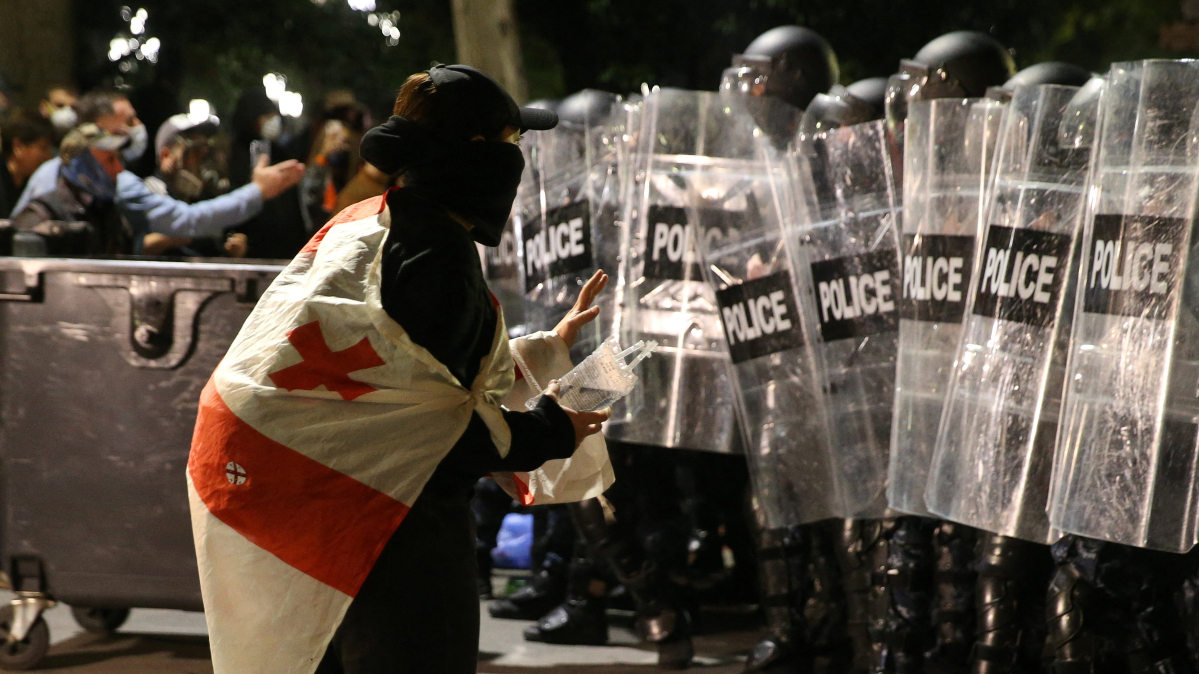
However, the situation appeared to change during demonstrations in Tbilisi beginning on 29 November 2024. The CPT said it received numerous allegations of ill-treatment from detainees linked to the protests. Many individuals reportedly had visible injuries, some requiring urgent medical care.
According to testimonies cited in the report, detainees described being detained by unidentified masked police officers, beaten, kicked, and threatened while in custody. Some alleged that violence continued while they were handcuffed, and that it stopped only when masked officers handed them over to other police personnel without face coverings.
The CPT reiterated its long-standing recommendation that Georgian authorities ensure police use only necessary and proportionate force and that officers deployed at demonstrations wear visible identification.
Background: protests over EU integration suspension
The protests began on 28 November 2024, when Prime Minister Kobakhidze announced the suspension of negotiations on Georgia’s European Union membership.
The decision triggered mass demonstrations in Tbilisi and other cities. Protesters, largely representing pro-Western and pro-European sections of society, accused the government of steering Georgia away from its EU path and aligning more closely with Russia
Critics of the government, including opposition parties and civil society organisations, described the police response as excessive. Dozens of demonstrators were detained. However, no police officers have been publicly identified, detained or charged in connection with alleged abuses.
Journalists were also affected. During several live broadcasts, reporters from opposition-leaning media outlets reported being physically obstructed or subjected to force.
Efforts by Anewz to obtain direct responses from police representatives received limited engagement, reflecting strained relations between law enforcement and sections of the media.
Domestic political context and government response
The report comes amid continuing political tensions in Georgia following the late 2024 protests. Western partners, opposition groups and civil society organisations have raised concerns about police conduct and restrictions on protest activity.
Critics point to cases involving detained demonstrators and journalists injured while covering protests. According to these concerns, there have been no publicly confirmed prosecutions or identification of masked officers accused of abuse.
The Georgian government has rejected accusations of wrongdoing, arguing that law enforcement measures are necessary to protect state institutions and sovereignty. Officials have characterised some criticism as politically motivated or influenced by foreign actors.
Separately, Georgian authorities have introduced legislative changes affecting protest regulations, political activity, and civil society operations. Government representatives say these measures are intended to strengthen constitutional order and national security.
At the same time, some police officials involved in managing the protests were awarded state honours, including the national Order of Honour.
Council of Europe response and calls for reform
Council of Europe Secretary General Alain Berset said the organisation stands ready to support reforms in Georgia. He confirmed he would discuss the CPT’s findings with Georgia’s Foreign Minister, Maka Bochorishvili, at the UN Human Rights Council.
The Council of Europe, which Georgia joined in 1999, monitors human rights, democracy, and the rule of law across its member states. CPT reports are part of its preventive system aimed at identifying risks and encouraging reforms before abuses become systemic.
Polarised environment and unresolved questions
Georgia’s political environment remains deeply polarised, with government officials, opposition groups, civil society and international partners offering sharply differing interpretations of recent events.
Critics say the absence of investigations into individual officers raises concerns about accountability. The government maintains that its actions are lawful and necessary.
The CPT’s findings do not establish criminal liability but highlight risks and structural concerns requiring further attention.
As Georgia continues to navigate its complex political path between European integration ambitions and domestic tensions, the debate over police conduct, democratic standards and human rights remains unresolved.










What is your opinion on this topic?
Leave the first comment