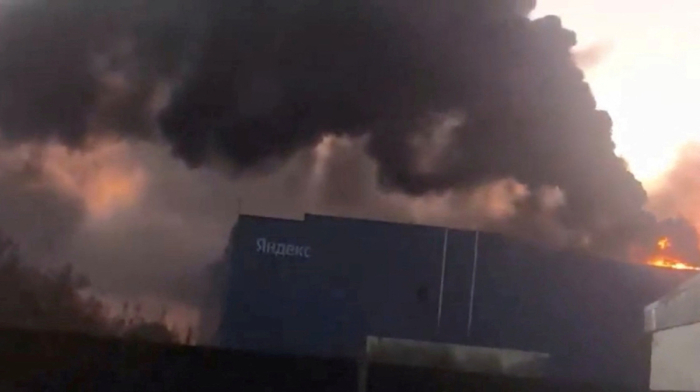
U.S. military infrastructure targeted in new Iranian attacks in Kuwait and Bahrain
U.S. President Donald Trump announced the reimposition of a U.S. naval blockade on all Iranian ports and warned that power plants and bridges could be...
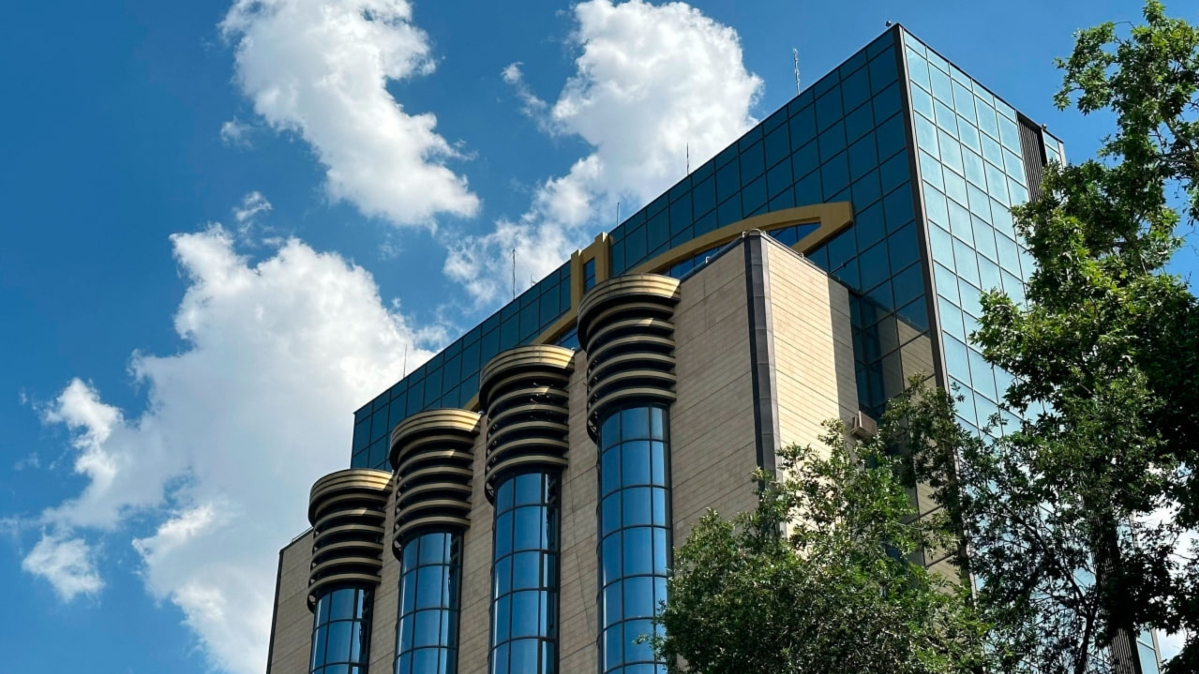
Uzbekistan is entering what regulators describe as the most complex phase of its banking reform, as the country moves to align its financial system with international standards by 2026–27, the Central Bank has said.
Deputy chairman of the Central Bank Sanjar Nosirov said the focus was shifting from structural change to quality and institutional strength, with banks preparing to adopt International Financial Reporting Standards (IFRS) and the Basel III regulatory framework.
"We have reached the most difficult stage of reforms and are increasingly concentrating on quality," Nosirov said. "The transition to IFRS and the assessment of assets under Basel III standards will be our main task this year."
From 2026, all commercial banks will be required to fully adopt IFRS, bringing financial reporting into line with international practice. Asset classification will be aligned with Basel standards and IFRS 9, while new criteria will be introduced to assess business plans during bank licensing.
The Central Bank also plans to establish a Financial Stability Council, with government participation, to strengthen oversight of systemic risks and improve crisis prevention mechanisms.
By 2027, Uzbekistan is expected to complete its transition to Basel III, a global set of banking regulations introduced after the 2008 financial crisis to strengthen capital requirements, improve risk management and enhance banks’ resilience to economic shocks.
The reform package includes capital surcharges based on banks’ risk profiles, consolidated supervision of banking groups, and the full introduction of bank resolution and deposit guarantee mechanisms.
The reforms follow Uzbekistan’s first Financial Sector Assessment Programme, conducted by the International Monetary Fund and the World Bank in 2025, which evaluated the resilience of the banking system and its compliance with international supervisory standards.
According to the Central Bank, Uzbekistan aims to bring its financial sector into full compliance with all 29 core principles of effective banking supervision set by the Basel Committee.
President Shavkat Mirziyoyev has instructed regulators to accelerate the transition to IFRS, introduce Basel III standards and establish the Financial Stability Council as part of broader efforts to modernise the financial system and boost investor confidence.

The United States carried out a third consecutive night of airstrikes against Iran, targeting military capabilities around the Strait of Hormuz as Donald Trump announced the reinstatement of a blockade on Iranian shipping and proposed a 20% fee on cargo passing through the strategic waterway.
U.S. President Donald Trump announced the reimposition of a U.S. naval blockade on all Iranian ports and warned that power plants and bridges could be targeted next week unless Tehran returns to negotiations.
The death toll from the fire at a live music pub in Bangkok has climbed to 32 after two more victims died from their injuries, according to Thailand's Police Hospital.
Ukraine and Russia exchanged fresh attacks on Tuesday, with Kyiv targeting shipping and energy infrastructure inside Russia while Moscow launched another large-scale missile and drone assault on Ukrainian cities.
IBM has warned that a surge in spending on artificial intelligence infrastructure is weighing on its core business, in one of the clearest signs yet of how the AI boom is reshaping the technology sector.
Kyrgyzstan has introduced an indefinite ban on the export of crude oil and petroleum products by road and rail in an effort to prevent fuel shortages and strengthen the country's energy security.
The Iranian Army's Ground Force promised a crushing response to the U.S. after an air raid on its barracks in the southern city of Bampur on Wednesday (15 July) killed seven servicemen and wounded 13 others.
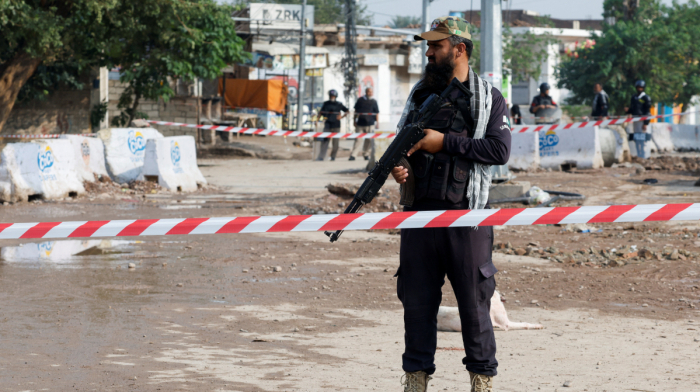
Pakistan's benchmark stock index recorded its steepest one-day fall in months on Tuesday as renewed fighting between the U.S. and Iran unsettled global markets and heightened fears of disruptions to oil supplies through the Strait of Hormuz. The benchmark KSE-100 Index closed down 3.56%.
A British inquiry has heard fresh allegations that UK special forces killed three Afghan farmers and abused detainees during operations in Afghanistan. The claims were published this week as part of an investigation into alleged unlawful killings and a possible cover-up.
Kyrgyzstan and Tajikistan have begun installing the first border markers along their shared frontier, marking the start of the physical demarcation of a boundary that was disputed for decades before being formally settled under a landmark agreement signed earlier this year.
You can download the AnewZ application from Play Store and the App Store.
What is your opinion on this topic?
Leave the first comment