China tightens Communist Party oversight of tech firms and digital finance
China’s ruling Communist Party is stepping up oversight of technology firms, internet platforms and digital finance in a sweeping drive to ta...
Georgia is returning to the international diplomatic stage as Prime Minister Irakli Kobakhidze travels to the United Arab Emirates to participate in the Abu Dhabi Sustainability Week Summit, held from January 13 to 15.
The summit brings together political leaders, senior officials, and global business representatives to discuss sustainable development, energy policy, and investment. Within this framework, the Georgian Prime Minister is scheduled to take part in a thematic panel focused on the Middle Corridor — a transport and energy route linking Europe and Asia that has become a central pillar of Georgia’s foreign policy and economic strategy.
According to the government administration, Kobakhidze is also expected to meet with representatives of major international investment companies. The visit marks Georgia’s first high-level diplomatic engagement in recent weeks, following a period of limited foreign policy visibility and few notable bilateral initiatives.
Georgia has increasingly positioned the Middle Corridor as a strategic alternative route for trade and energy flows between Europe and Asia, presenting itself as a regional transit hub. However, the corridor faces growing competition from parallel routes promoted by neighboring countries, intensifying competition for cargo volumes, political support, and foreign investment.
This competitive environment has elevated the importance of partnerships with Gulf states, particularly the United Arab Emirates. Georgian authorities have previously highlighted announced plans by the Abu Dhabi-based company Eagle Hills to invest up to six billion dollars in Georgia, citing the project as an indicator of investor interest, while its scale, timeline, and implementation remain under scrutiny.
Prime Minister Kobakhidze is accompanied by a delegation including the ministers of foreign affairs, economy and sustainable development, environment and agriculture, justice, and the head of the government administration, underscoring the government’s focus on economic diplomacy.
The Abu Dhabi visit comes as Georgia continues to center much of its foreign policy narrative on the Middle Corridor, raising questions about how effectively the country can translate strategic positioning into long-term regional relevance in an increasingly competitive geopolitical landscape.
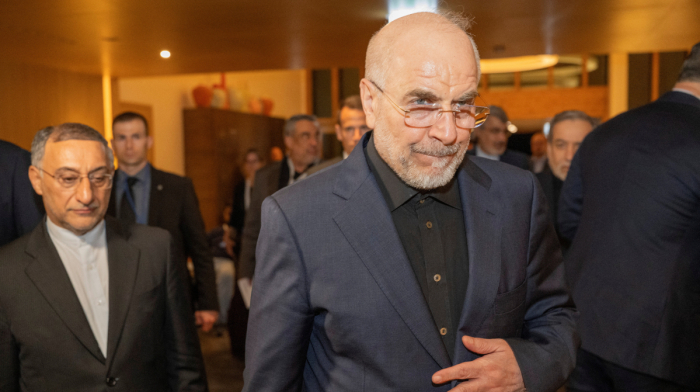
Iranian parliament speaker Mohammad Bagher Ghalibaf says the U.S. must act to prevent war after Tehran sent a “strong and rational response” to Washington. Meanwhile, U.S. forces have reportedly carried out limited strikes against Iranian targets, including Qeshm Island,
Hundreds of millions of U.S. citizens head to the polls on 3 November to elect the House of Representatives and Senate. How they vote could influence the direction of Donald Trump’s remaining 26 months in office and the outcomes of the Ukraine and Iran conflicts.
A six-day humanitarian ceasefire in the Russian-held Ukrainian town of Oleshky ended on Sunday, 1 November, after facilitating aid deliveries and civilian evacuations.
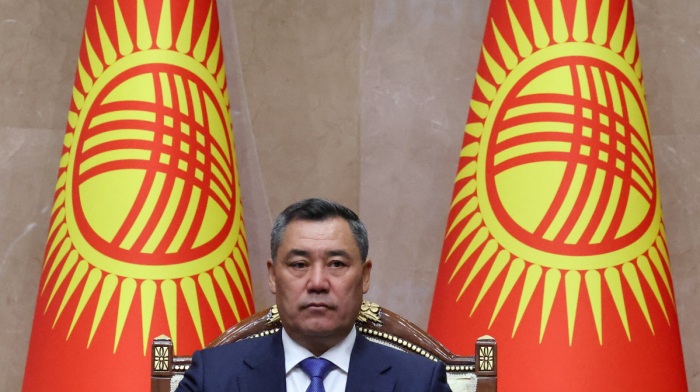
Kyrgyzstan has emerged as Central Asia’s fastest-growing economy, fuelled by a construction boom, public investment and trade linked to Russia. But with Western sanctions tightening, can the country sustain its rapid growth?
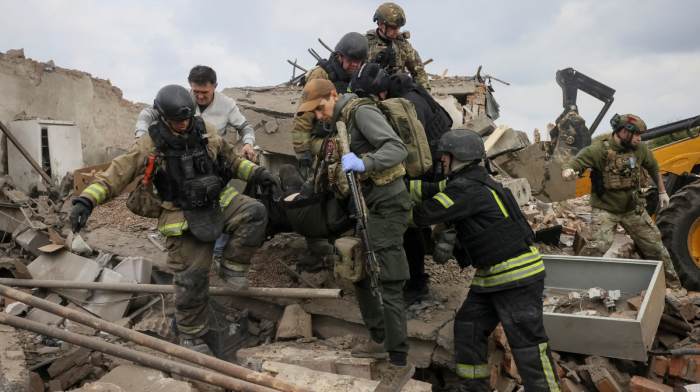
Russia airstrikes on a school used as a humanitarian aid distribution point in southeastern Ukraine's Zaporizhzhia region killed at least 26 people, including rescue workers and police officers, Ukrainian officials said. Another 27 people were reported missing.
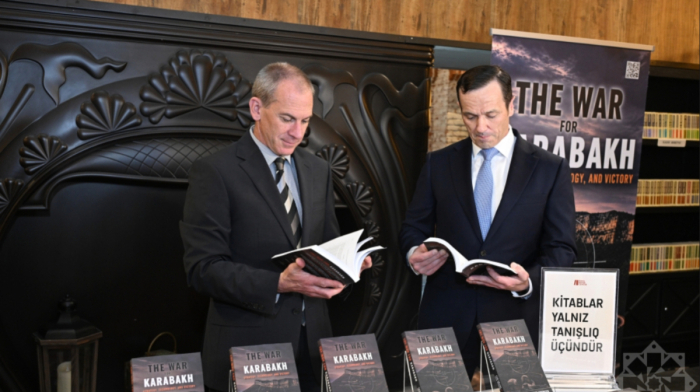
A new book examining Azerbaijan’s military strategy, technology and operations during the Garabagh wars has been unveiled in Baku, offering insights into the country’s victories and lessons for modern warfare.
Iranian parliament speaker Mohammad Bagher Ghalibaf says the U.S. must act to prevent war after Tehran sent a “strong and rational response” to Washington. Meanwhile, U.S. forces have reportedly carried out limited strikes against Iranian targets, including Qeshm Island,
Tajikistan has banned electronic cigarettes and nicotine delivery systems, becoming the latest Central Asian country to outlaw their production, import and sale as part of a wider push to protect public health.
Kyrgyzstan has emerged as Central Asia’s fastest-growing economy, fuelled by a construction boom, public investment and trade linked to Russia. But with Western sanctions tightening, can the country sustain its rapid growth?
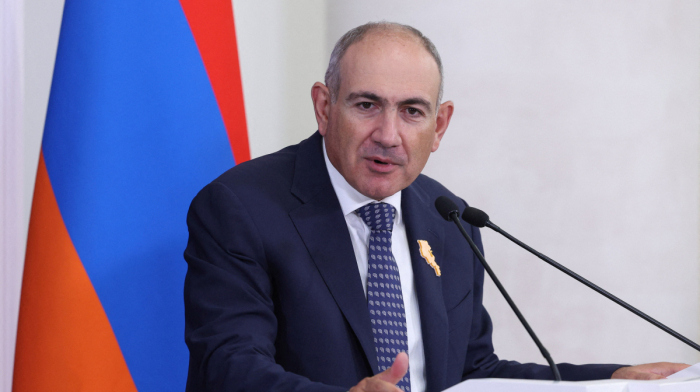
Armenian Prime Minister Nikol Pashinyan said the government plans to publish a draft of the country's new constitution in November, with public consultations to follow, as constitutional reforms remain a key issue in efforts to secure a final peace agreement with Azerbaijan.
You can download the AnewZ application from Play Store and the App Store.
What is your opinion on this topic?
Leave the first comment