Iran marked the 45th anniversary since the Iran-Iraq war began with parades and memorials with the country's revolutionary guard issuing a warning to U.S and Israel against further aggression.
The Iranian revolutionary guard corps (IRGC) on Sunday issued a warning to the United States of America and Israel, stating tht any miscalculation or act of aggression could prompt a deadly response.
The anniversry which is known as 'sacred defense' is held annually and is typically marked with military parades, demonstrations of the country's armed forces and weapons readiness signalling Iran's preparedness for any military confrontation.
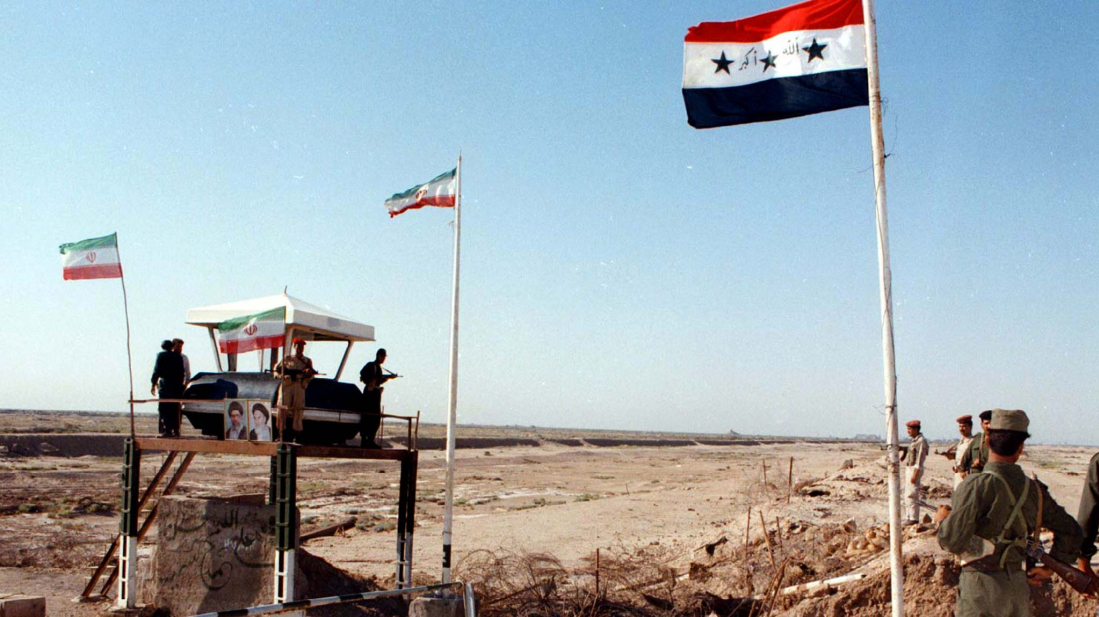
The war which lasted 8 years began on 22nd September 1980 when Iraq's then President Saddam Hussein invaded Iran, an incident which led to the loss of up to one million lives.
It began over territorial disputes, including control of the Shatt al-Arab waterway, and was also driven by Saddam Hussein’s aim to weaken Iran following the 1979 Islamic Revolution.
The eight-year conflict saw large-scale battles, missile strikes, chemical weapons attacks, and ended with a ceasefire and no major territorial gains.
While Iraq no longer commemorates the war following Saddam Hussein’s fall in 2003, Iran continues to ensure the conflict remains vivid in public memory.
The Iran-Iraq war left deep scars on both nations, with immense human and economic costs, and remains a defining chapter in Middle Eastern history.
Iran is currently embroilled in a nuclear dispute with Western powers who are seeking to reimpose sanctions on the oil rich Asian country.
Iran protests the snap back sanctions urging the United Nations to choose diplomacy over confrontation, accusing the European trio of Germany, France and U.K of taking sides.
President Masoud Pezeshkian said on Saturday that Iran would overcome any reimposition of sanctions through a so-called 'snapback' process, after the UN Security Council voted not to permanently lift sanctions on Tehran.
The Iranian Foreign Minister Abbas Araghchi will arrive in New York today to participate in the plenary meetings of the UN General Assembly.
In addition to this, Araghchi will meet counterparts on the sidelines of the annual event, and also oversee preparations for the speech and meetings of President Masoud Pezeshkian who is schedule to fly to the UN headquarters on Tuesday.
This year’s UN event is significant for Iran compared to previous years as the Iranian top diplomat and counterparts are expected to discuss the latest developments in Tehran nuclear program.
The General Assembly is taking place days ahead of the Sep. 28 deadline for likely return of Iran’s nuclear sanction called for by the E3 which have referred their dispute with Iran to the UN Security Council.











What is your opinion on this topic?
Leave the first comment