Strait of Hormuz reopened, Iran and U.S. say - Middle East conflict on 17 April
Iran reopened the Strait of Hormuz to commercial shipping on Friday (17 April) for the first time since the U.S. and Israel killed Iran's ex-Su...
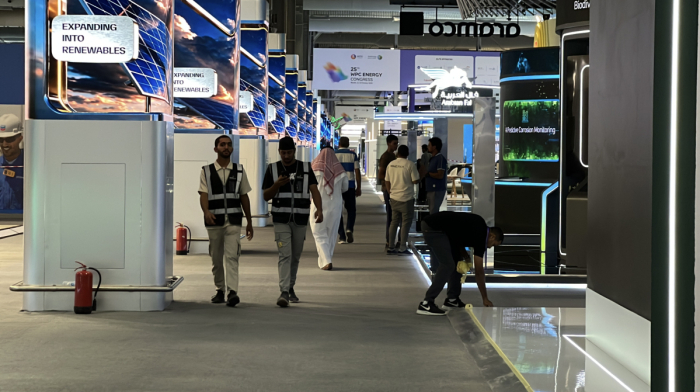
Türkiye plans to strengthen its energy ties with Iraq through oil, natural gas, and electricity projects, the country’s Deputy Minister of Energy and Natural Resources, Ahmet Berat Conkar, said at the Baghdad International Energy Forum.
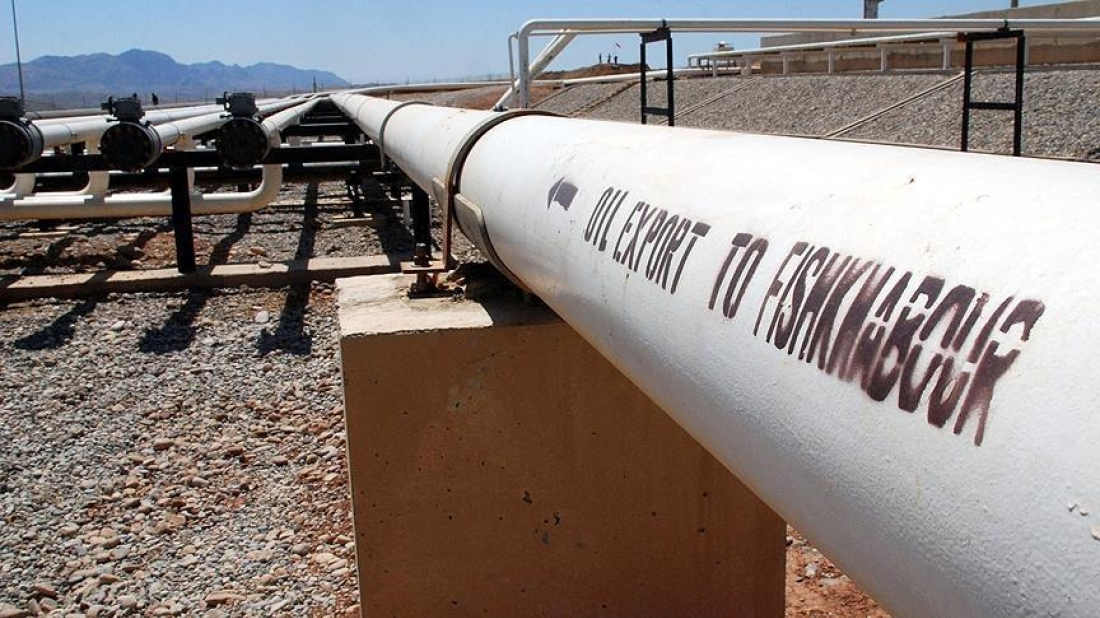
Conkar noted that the Kirkuk-Ceyhan Oil Pipeline has been in operation since the 1970s and discussions are currently underway to restore its full capacity. “We have been informed that negotiations between international oil companies, the Kurdistan Regional Government, and the Baghdad central government are nearing conclusion. God willing, once these issues are resolved, we expect the pipeline to operate at full capacity,” he said.
The Turkish official added that, alongside the oil pipeline, cooperation is also being explored in natural gas, electricity, and the Development Road Project. “The energy potential with Iraq is far greater than in the past. Work is ongoing to establish the necessary infrastructure,” Conkar emphasised.
He underlined that the aim is to make energy cooperation a driver of regional stability and prosperity. “We are striving to advance both our energy transformation and our long-standing relations with Iraq to a new phase,” he said.

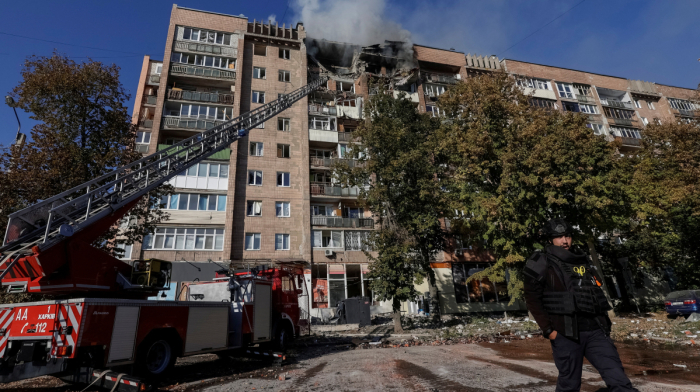
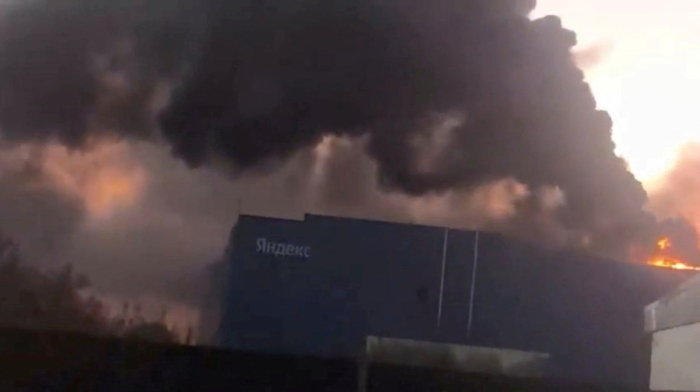
The past 24 hours of the Russia-Ukraine war have seen a drastic escalation in both aerial bombardment and frontline losses.
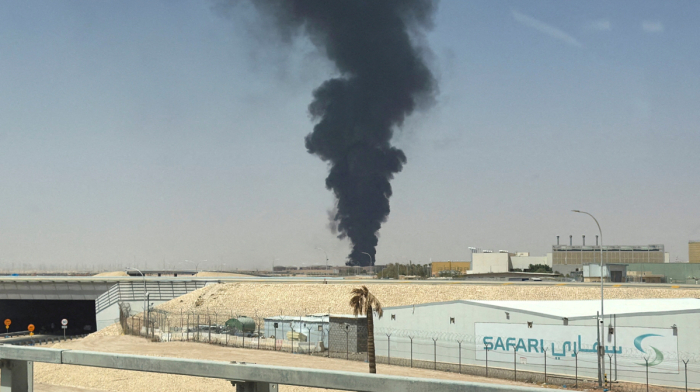
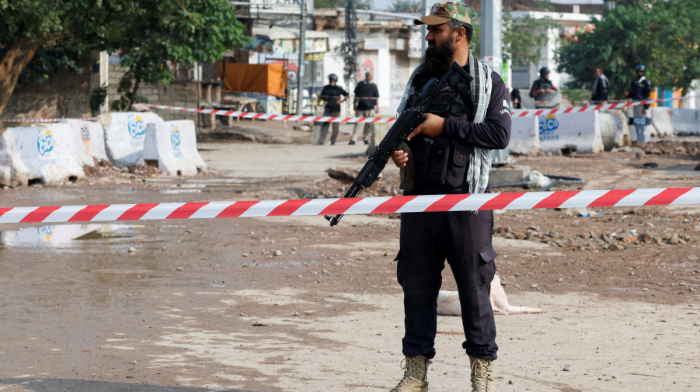
Iran reopened the Strait of Hormuz to commercial shipping on Friday (17 April) for the first time since the U.S. and Israel killed Iran's ex-Supreme Leader in air strikes, triggering the Middle East conflict, at the end of February. A U.S. blockade on Iranian ports, however, remains in force.
U.S. President Donald Trump said on Thursday that there was a "good chance" of a peace deal between Lebanon and Israel happening soon, after he announced a 10-day ceasefire between the two countries.
Russia published addresses of manufacturers allegedly producing drones or components for Ukraine on Wednesday (15 April), warning European countries against plans to step up UAV supplies to Kyiv.
U.S. President Donald Trump says Israeli and Lebanese leaders have agreed to a 10-day ceasefire that includes Hezbollah, raising cautious hopes of a pause in hostilities after weeks of escalating tensions.
Syrian President Ahmed al-Sharaa has said his country could provide a “safe corridor” and “alternative route” for regional energy shipments, as supply disruptions continue to affect the wider Middle East.
An average of at least 47 women and girls were killed each day during the war in Gaza, according to new figures released by UN Women.
China is seeking to strengthen and upgrade its cooperation with Turkmenistan, focusing on what officials describe as “high-quality development” across a range of sectors.
Kazakhstan plans to boost trade with Afghanistan from $500 million to $3 billion, backed by infrastructure and transit projects designed to strengthen regional connectivity and improve access to global markets.
A low-profile diplomatic visit to Tbilisi may prove more consequential than it first appears, as representatives of France, Germany and Poland meet figures across Georgia’s political spectrum, signalling that Brussels is watching closely ahead of a key EU foreign ministers’ meeting.
You can download the AnewZ application from Play Store and the App Store.
What is your opinion on this topic?
Leave the first comment