Explosion reported at Riyadh airport amid rising security concerns
A powerful explosion has been reported at King Khalid International Airport in Riyadh, raising fresh concerns over aviation security in Saudi Arabi...
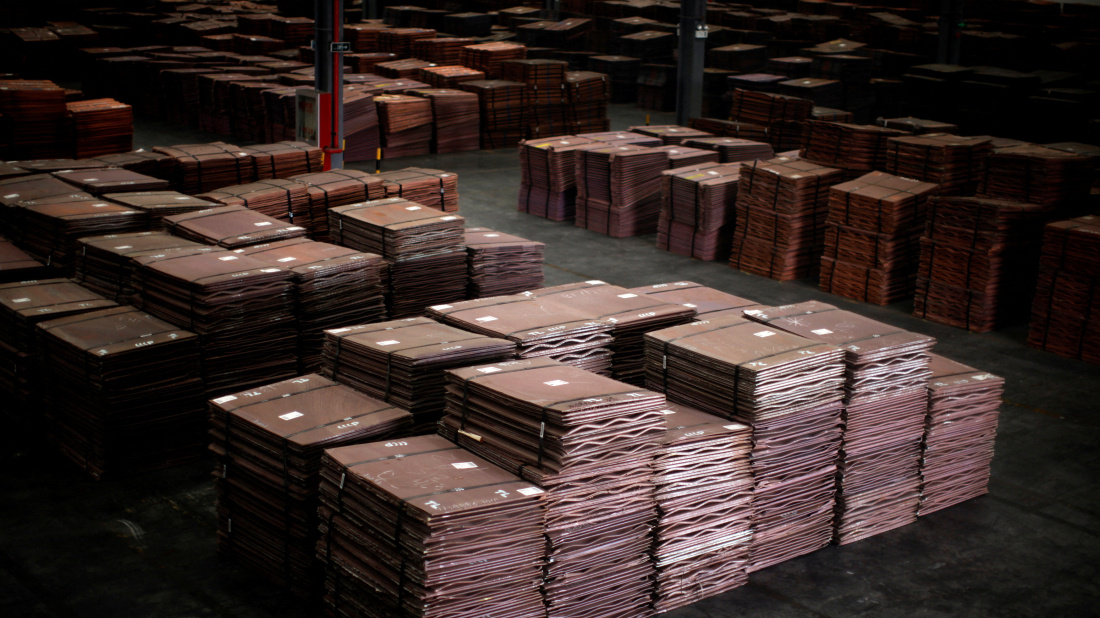
Kazakhstan plans to double its copper ore production by 2030 through the development of three major new deposits, significantly boosting the country’s mining and metals sector.
Kazakhstan is set to transform its mining industry by 2030 with an ambitious plan to double copper ore production, according to a government announcement reported by the Kazinform news agency on Tuesday.
Speaking during a government meeting, Deputy Minister of Industry and Construction Olzhas Saparbekov revealed that three major deposits — Aidarly, Koksay and Benkala — will be developed to support the expansion. These sites are expected to increase the country’s copper ore reserves by 300 million tons.
The initiative will allow Kazakhstan to raise its annual copper output from 500,000 tons to 1.2 million tons, placing it among the top global producers of the metal, which is critical for renewable energy, electronics and infrastructure.
In addition to copper, the country is also targeting a 40% increase in iron ore production, aiming for 52 million tons annually. This will be supported by enhanced domestic processing and new facilities to produce hot briquetted iron (HBI), a value-added product used in steelmaking.
Kazakhstan plans to raise HBI output to 5 million tons per year, while steel production is projected to climb from 4.1 million to 13 million tons, reinforcing the government’s broader strategy to strengthen industrial capacity and diversify its export base.

Leaders of countries from the Commonwealth of Independent States (CIS) have agreed to hold coordinated population censuses around 2030. They took the decision at the CIS Council of Heads of State meeting in Awaza, Turkmenistan on Friday, media reported.
Britain and Israel have reached a temporary compromise over the future of the British Consulate General in East Jerusalem, easing a diplomatic dispute that had threatened to further strain relations between the two countries.
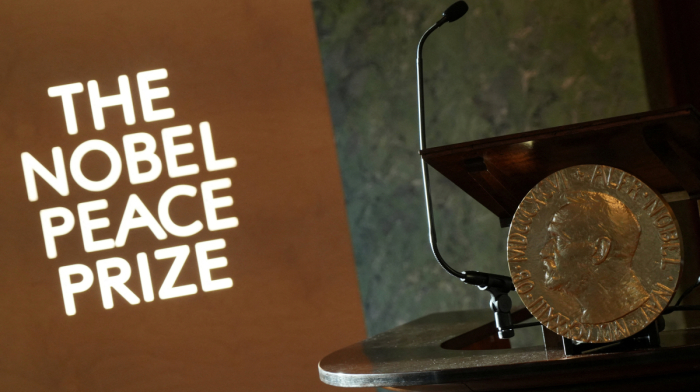
South African judge Navanethem “Navi” Pillay won the Nobel Peace Prize on Friday “for her efforts to promote peace and international law,” the Norwegian Nobel Committee said.
The Nobel Peace Prize 2026 will be announced on Friday, 9 October, bringing one of the world's most closely watched awards back into focus.
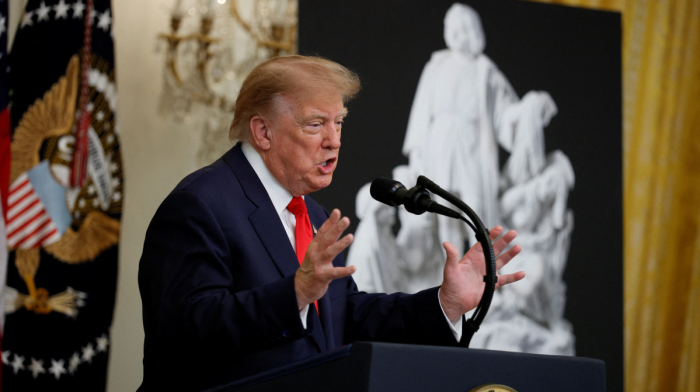
The U.S. has imposed sanctions on the International Criminal Court (ICC) on Friday (9 October) escalating tensions with European allies and potentially targeting companies that provide services to the tribunal. The move came hours after former ICC judge Navi Pillay won the Nobel Peace Prize.
A powerful explosion has been reported at King Khalid International Airport in Riyadh, raising fresh concerns over aviation security in Saudi Arabia as tensions across the region continue to escalate.
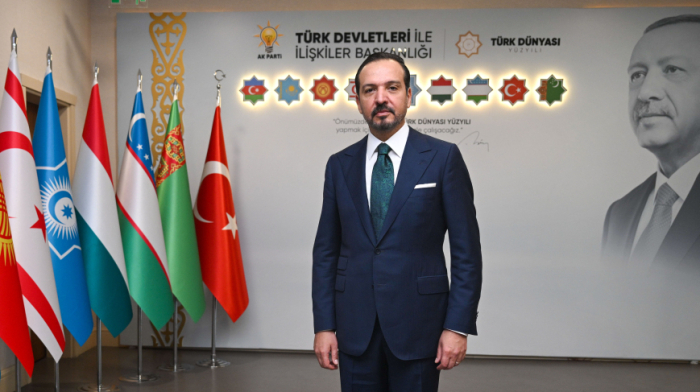
Turkic states are assessing the feasibility of passport-free travel between countries using national ID cards, Kürşad Zorlu, the Deputy Chairman of Türkiye’s ruling AK Party said on Saturday.
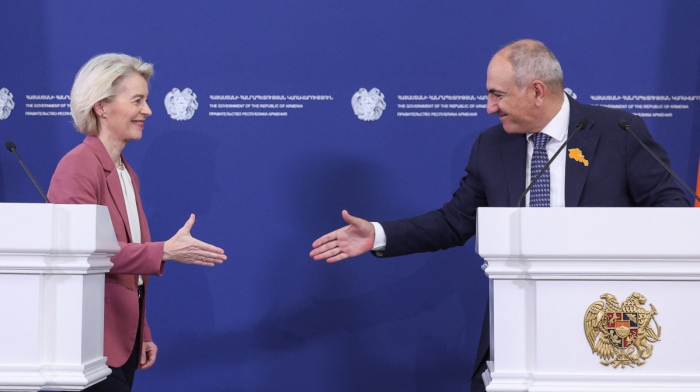
European Union measures suspending import duties on 80 per cent of Armenian exports to the bloc came into effect on Saturday. The temporary liberalisation measures are aimed at supporting Armenian producers and exporters following trade restrictions imposed on the country's products by Russia.
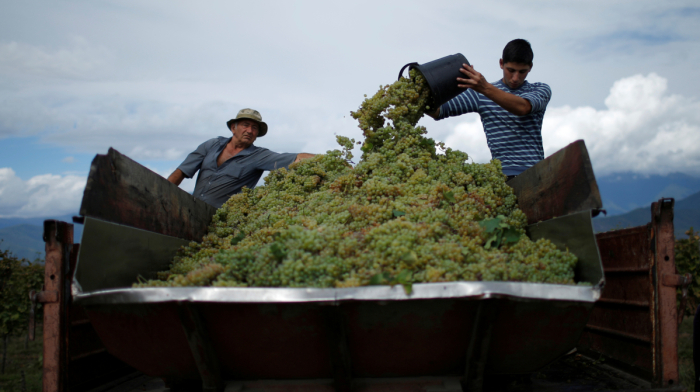
Georgia is enjoying one of its biggest and highest-quality grape harvests since independence. By 6 October, growers in the country's main wine-producing region, Kakheti, had delivered 182,210 tonnes of grapes, with 99 per cent rated medium or high quality, despite recent protests over prices.
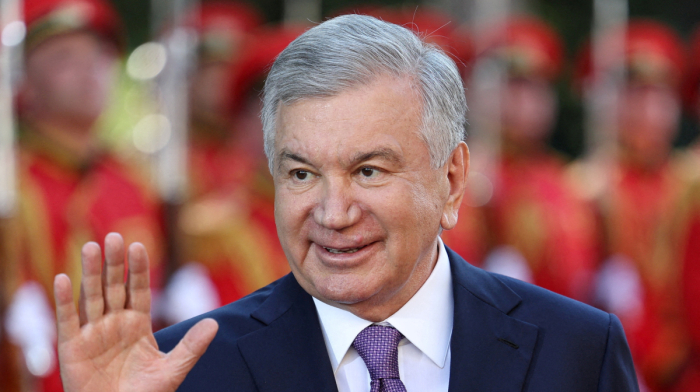
Uzbekistan has unveiled plans to deepen economic ties with Central Asia and Azerbaijan, proposing shared artificial intelligence infrastructure, a critical minerals alliance and a regional trade strategy extending to 2035.
You can download the AnewZ application from Play Store and the App Store.
What is your opinion on this topic?
Leave the first comment