Pakistan has taken over the chairmanship of the Shanghai Cooperation Organisation, with Prime Minister Shehbaz Sharif putting connectivity, artificial intelligence and regional security at the centre of Islamabad’s agenda for the bloc.
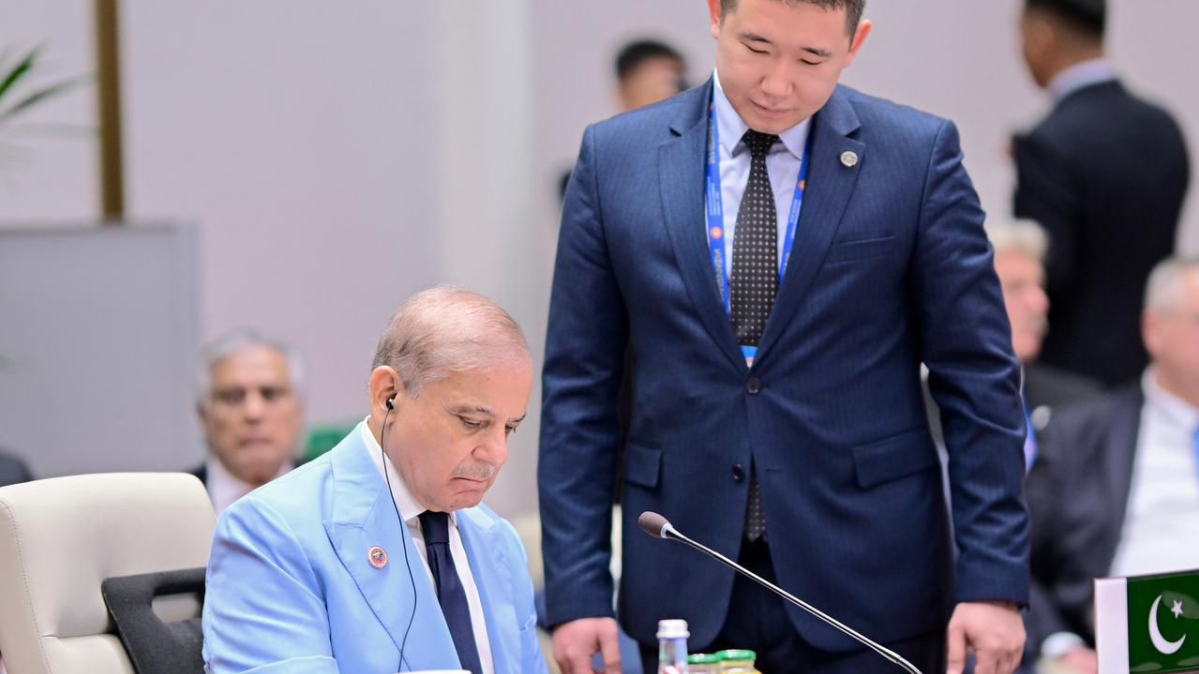
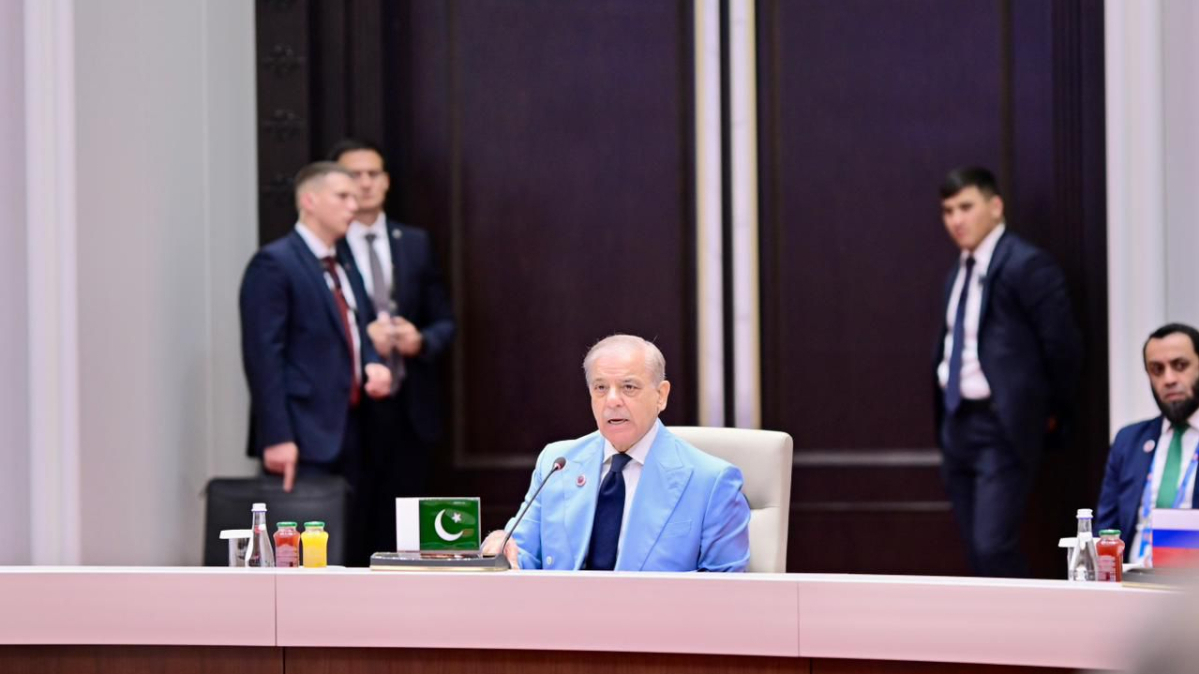
Addressing the 26th SCO Council of Heads of State meeting in Bishkek on Tuesday, 1 September, Sharif called for stronger transport links, resilient energy corridors and deeper economic integration across a region of more than three billion people.
Pakistan proposed an SCO framework for sovereign AI infrastructure and governance to promote responsible and inclusive artificial intelligence development and strengthen digital sovereignty.
The agenda for Pakistan’s 2026-2027 chairmanship also includes energy, poverty reduction, disaster management, health, culture and sports. Islamabad backed implementation of the SCO Development Strategy through 2035 and the creation of an SCO Development Bank.
Terrorism remained a central security concern. Speaking before SCO members, Sharif said Pakistan had lost more than 90,000 lives and suffered economic losses exceeding $150 billion during more than two decades of fighting terrorism.
He said Pakistan wanted a peaceful and stable Afghanistan, but lasting peace would remain difficult while terrorist groups continued using Afghan territory to attack Pakistan and other countries.
Water was another regional flashpoint raised at the summit. Sharif said shared water treaties were binding international commitments that must be honoured, warning that water could not be used as an instrument of coercion or political leverage.
SCO Plus widens Pakistan’s diplomatic agenda
At the SCO Plus Summit, Sharif turned to wider questions of global governance and regional conflicts, calling for reform of the United Nations and a more equitable and democratic international system.
He also highlighted the situation in Gaza and the West Bank, urging international action to end the suffering of Palestinians and uphold their right to self-determination.
The address also touched on the Mecca Joint Defence Agreement between Pakistan, Saudi Arabia and Turkiye. Sharif described the pact as defensive in nature and said it was intended to strengthen regional peace and stability.
Pakistan and Belarus expand economic cooperation
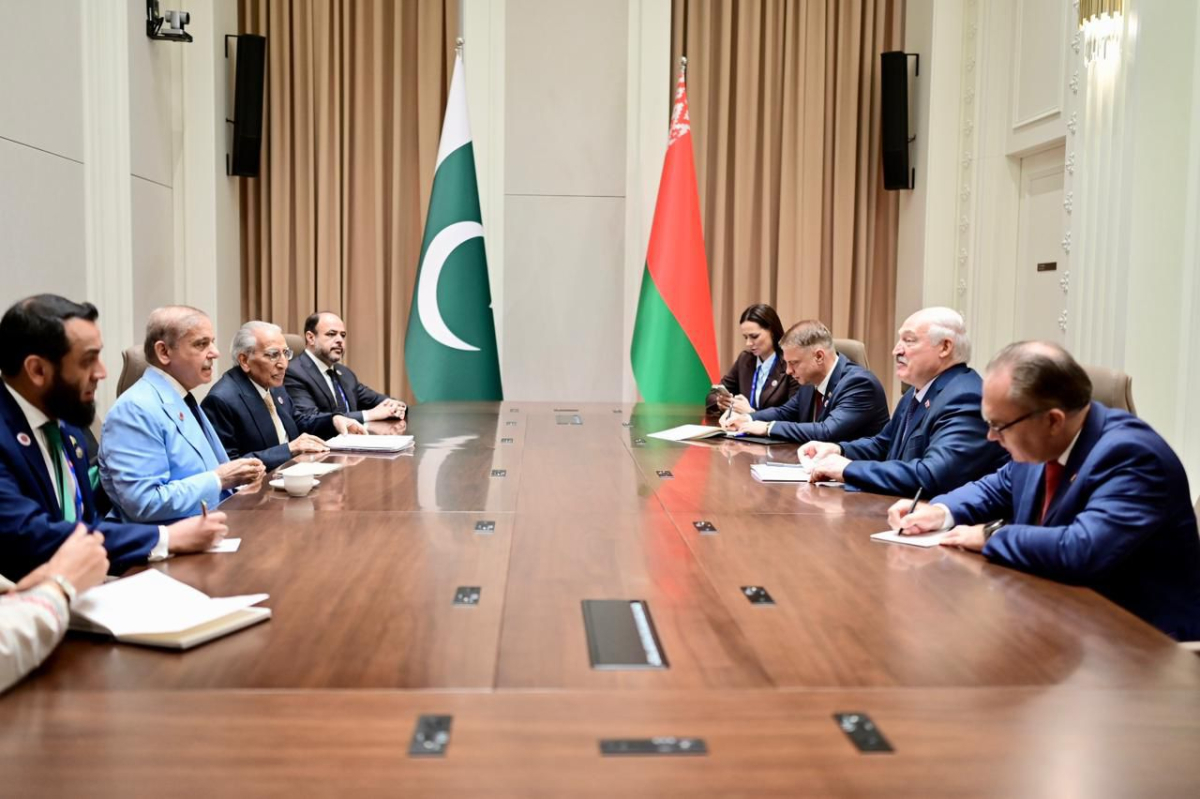
On the sidelines of the SCO meeting on September 1, Sharif met Belarusian President Aleksandr Lukashenko.
Trade, industry, agriculture, IT and vocational training were identified for greater cooperation, alongside wider political, economic, defence and cultural ties. Sharif also invited Lukashenko to visit Pakistan next year as Islamabad takes the SCO chair.
Iran talks focus on regional de-escalation
A day before the SCO summit, Sharif met Iranian President Masoud Pezeshkian in Bishkek.
The two discussed bilateral ties, regional connectivity and the evolving regional situation. Pakistan stressed restraint and sustained diplomatic engagement, while both sides backed efforts to build on the Islamabad Memorandum of Understanding.
Pezeshkian welcomed Pakistan’s diplomatic efforts and invited Sharif to the ECO summit in Tehran in December.
Uzbekistan railway and $2 billion trade target
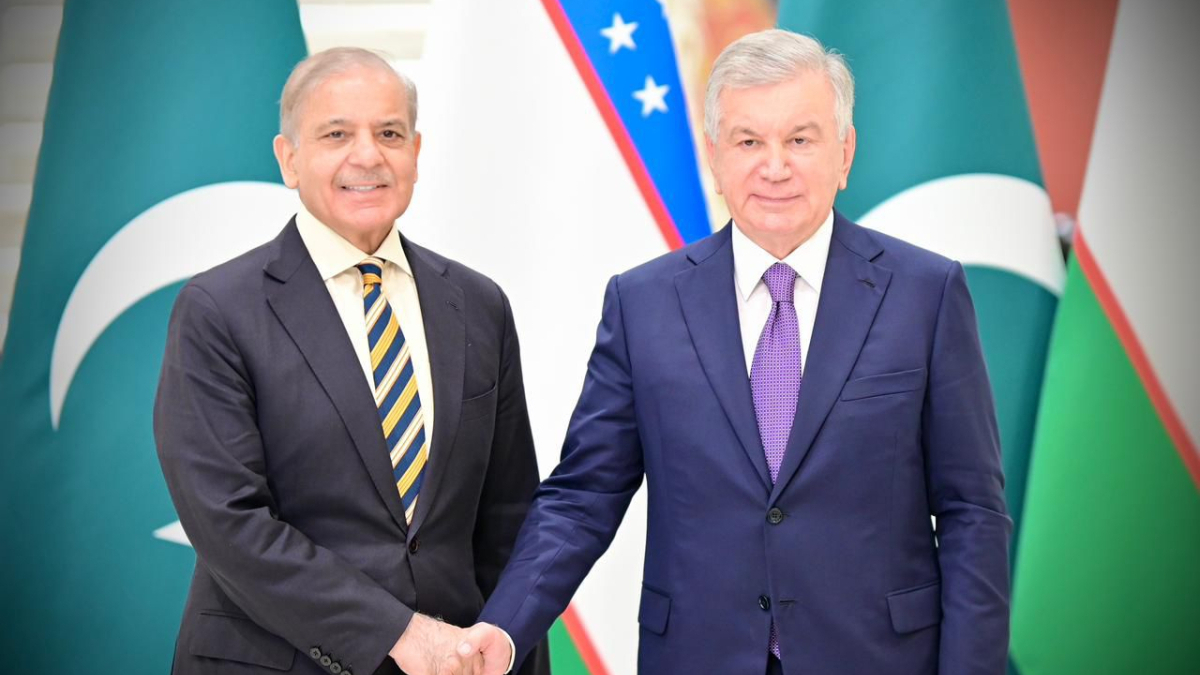
Also on August 31, Sharif met Uzbek President Shavkat Mirziyoyev, with trade and regional connectivity high on the agenda.
Pakistan and Uzbekistan reaffirmed their target of taking bilateral trade to $2 billion by 2029, alongside implementation of the expanded Preferential Trade Agreement, stronger business links and joint ventures.
The proposed Uzbekistan Afghanistan Pakistan Railway would connect Central and South Asia and give landlocked Uzbekistan access to Pakistani seaports. The two sides called for early progress on the joint feasibility study and greater use of existing multimodal transport corridors.
The talks also covered pharmaceuticals, textiles, agriculture, mining and digital technology, as well as progress towards direct Tashkent Karachi flights.
Pakistan now begins its year at the helm of the SCO with a focus on connectivity, technology and regional security, putting the emphasis on whether its chairmanship can turn commitments into practical cooperation across Central and South Asia.
Read more:













What is your opinion on this topic?
Leave the first comment