Pakistan is seeking to revive economic ties with Iran by reopening transport links and reassessing imports of discounted Iranian crude oil, as recent regional de-escalation raises hopes of broader economic cooperation.
Transport links return to the agenda
The latest push follows talks in Islamabad on 25 June between Iran's Minister for Roads and Urban Development, Farzaneh Sadegh, and a Pakistani delegation led by Communications Minister Abdul Aleem Khan. Railways Minister Hanif Abbasi, Commerce Minister Jam Kamal Khan and Maritime Affairs Minister Junaid Anwar Chaudhry also took part.
Both sides agreed to activate the Pakistan-Iran Joint Transport Committee, strengthen rail and road connectivity, and remove logistical bottlenecks that have constrained bilateral trade for years.
Pakistan reassesses Iranian oil imports
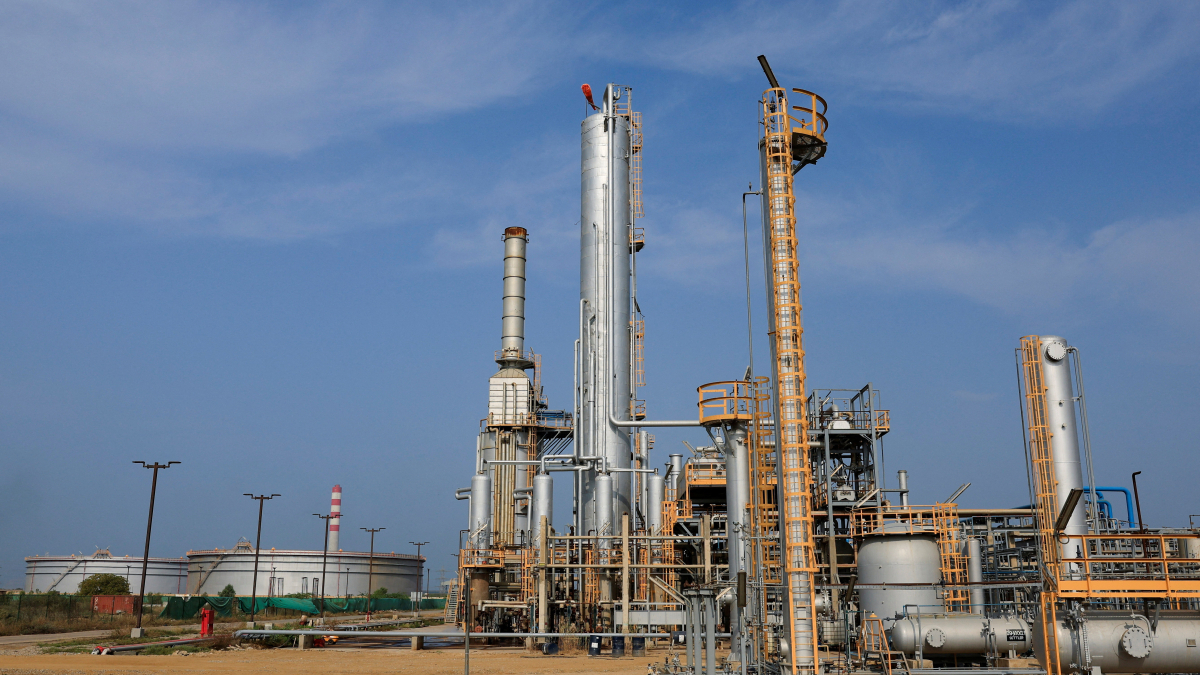
Alongside transport cooperation, Pakistan's energy sector is assessing whether Iranian crude could once again become commercially viable if sanctions relief proves durable.
Pakistan Refinery Limited (PRL) previously imported crude from the National Iranian Oil Company (NIOC) before U.S. sanctions halted purchases more than a decade ago.
Analysts say local refineries are capable of processing Iranian light crude. However, commercial challenges remain because most Pakistani refineries lack deep-conversion technology and continue to produce significant volumes of furnace oil, for which demand has fallen sharply.
According to Topline Securities, Pakistan imported almost $17 billion worth of petroleum products and fuels in 2025. If the country sourced 10–20% of its petroleum requirements from Iran at discounted prices, annual savings could range from $170 million to $340 million, including lower freight costs.
Trade ambitions face structural challenges
Pakistan and Iran recorded bilateral trade of more than $1.2 billion in FY2010 before international sanctions sharply reduced formal commerce. Both governments have since identified $10 billion in annual trade as a long-term objective, supported by border Special Economic Zones, improved transport links and expanded commercial engagement.
Pakistan is well placed to increase exports of rice, textiles, pharmaceuticals, surgical instruments, meat and agricultural products if banking channels and border logistics improve.
Economists caution, however, that sanctions relief alone will not restore trade. Payment mechanisms, financial restrictions and customs infrastructure remain significant barriers to expanding commercial activity.
Economic opportunity depends on geopolitics
For Islamabad, the parallel push on transport connectivity and energy cooperation reflects a broader strategy to convert recent regional diplomacy into tangible economic gains.
Whether that ambition materialises will depend less on political declarations than on the durability of sanctions relief and the establishment of workable financial and commercial mechanisms. If those conditions are met, Pakistan could diversify its energy supplies, reduce import costs and reopen one of South Asia's most underutilised trade corridors.















What is your opinion on this topic?
Leave the first comment