Amid renewed global scrutiny, Iran reflects on defining moments that shaped its revolutionary identity, invoking the past to reinforce its stance in current geopolitical disputes.
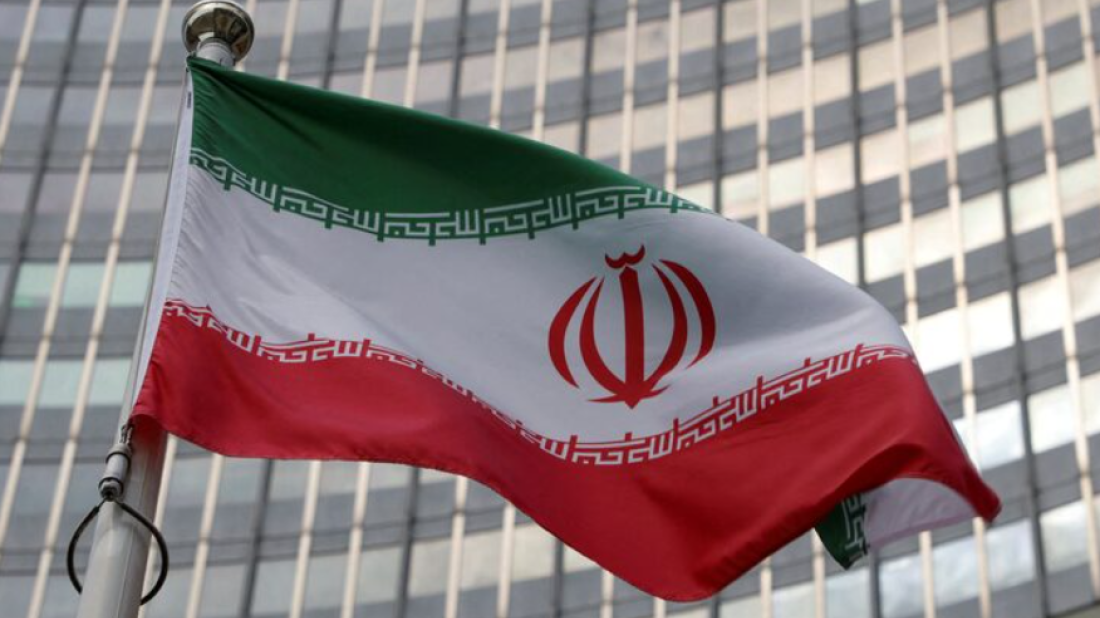
Iran is commemorating two landmark occasions of its revolutionary history, namely the 36th death anniversary of founder of the Islamic Republic Ayatollah Seyed Ruhollah Khomeini and a fateful protest in 1963 to the pro-west policies at the time the dispute with the western countries over Tehran’s nuclear enrichment has come to a gridlock.
Supreme Leader Ayatollah Seyed Ali Khamenei in statements at the annual congregation on Wednesday to mark the anniversaries hailed achievements of the 1979 Islamic Revolution particularly Iran’s nuclear program and said the ‘zero enrichment’ demand by the US and its allies are 100 percent against the revolution’s ideals of independence and national interests.
Sixty-two years ago today, the protest led by Ayatollah Khomeini in the religious city of Qom against the policies of Shah (King) Mohammadreza Pahlavi (1941-1979) was crack-downed followed by sending him to exile to Turkey, Iraq and France.
In the forty-six years after his victorious return 14 years later in February 1979, the pro- and anti-revolutionary camps have expressed clashing views on the pre- and post-revolutionary Iran.
While supporters of the revolution in Iran are highlighting shah’s liberal policies which ran contrary the Islamic teachings and traditions as well as its strategic partnership with the US and western countries at peak of Cold War in 1960-1970s, the revolution’s opponents have been focusing on the economic and foreign policy achievements as well as the cultural openness during his reign.
The western media documentaries are rife with depicting a rosy picture of the monarchy system in Iran and how it promoted individual freedoms domestically and took side against the former Soviet Union in its regional and international policies.
However, the pro-revolution works regard these developments as demerits of shah arguing that he did not tolerate political openness despite of the cultural and economic freedoms and also jeopardized the country’s independence by joining the western camp during the Cold War tensions.
In the meantime, it appears that majority of the media works on the contemporary history of Iran fail to provide a balanced root-cause analysis on why shah at the long last decided to go to a self-imposed exile after 37 years in power.
It is an irony of history that Tehran’s nuclear program over which it is today at loggerheads with the west was founded prior to the Islamic Revolution which ousted shah.
The Islamic Republic says the program is for peaceful ends including the generation of power and medical research purposes and has rejected demands for halting the uranium enrichment capability as it redline.
Today, the Islamic Republic is marking the anniversary of the protest to the policies of the monarchical system back in the 1960s, citing the enrichment capacity as an exemplary instance of political independence which could not be gained if the country was run by a different government in Tehran.













What is your opinion on this topic?
Leave the first comment