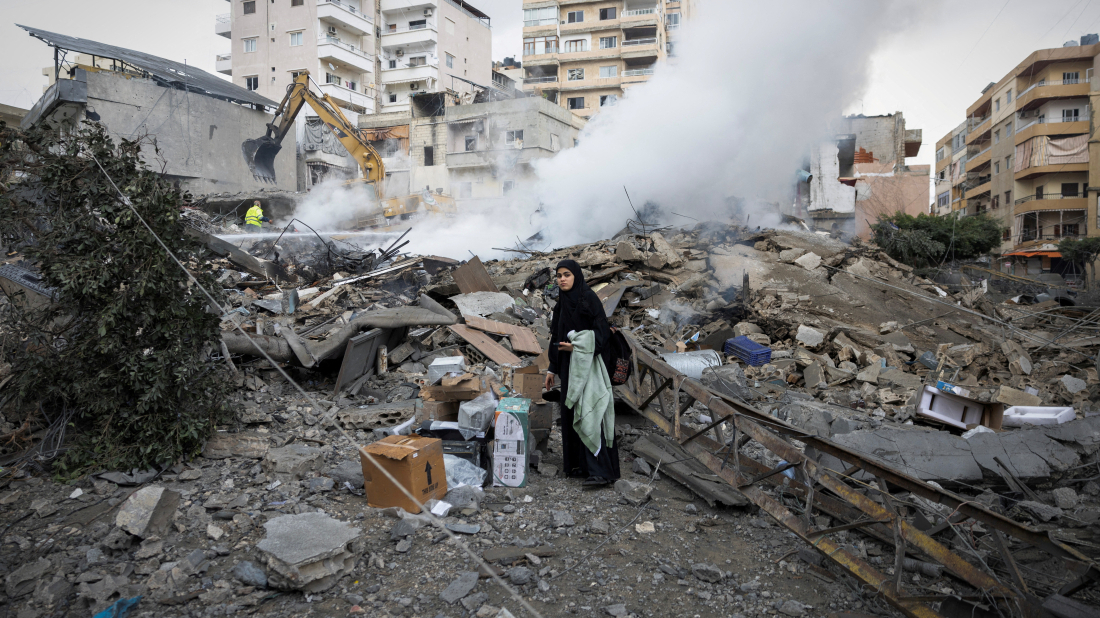
The ceasefire between Israel and Hezbollah, effective this morning, aims to end 14 months of conflict. Brokered by the U.S. and France, it calls for a two-month pause, with both sides withdrawing to their borders.
An international panel, led by the United States, will oversee the implementation of the ceasefire to ensure both sides adhere to the terms.
Israeli Prime Minister Benjamin Netanyahu emphasized that any violation of the ceasefire by Hezbollah would trigger a strong military response. He announced plans to bring the ceasefire agreement to his full cabinet for approval, after its endorsement by the security cabinet, making it clear that Israel retains full military freedom of action in cooperation with the United States.
Netanyahu also warned that any attempts by Hezbollah to rearm would result in immediate strikes.
Although Hezbollah did not directly participate in the ceasefire talks, Lebanese parliamentary speaker Nabih Berri acted as a mediator on its behalf.
In Lebanon, the reaction from residents was mixed. Some expressed relief at the ceasefire but emphasized the importance of upholding the legitimacy of the agreements and ensuring that the Lebanese state plays a stronger role in maintaining peace.
In Israel, citizens showed a mix of optimism and concern, with some hopeful for peace, while others remained doubtful about the long-term effectiveness of the agreement.
In response to the ceasefire, Türkiye welcomed the deal and expressed its support for maintaining peace in the region. The Turkish Foreign Ministry issued a statement, calling on all parties, especially Israel, to fully uphold their responsibilities in ensuring stability on the ground. Türkiye reiterated its readiness to contribute to ending the violence in Gaza and to supporting efforts for a lasting ceasefire.
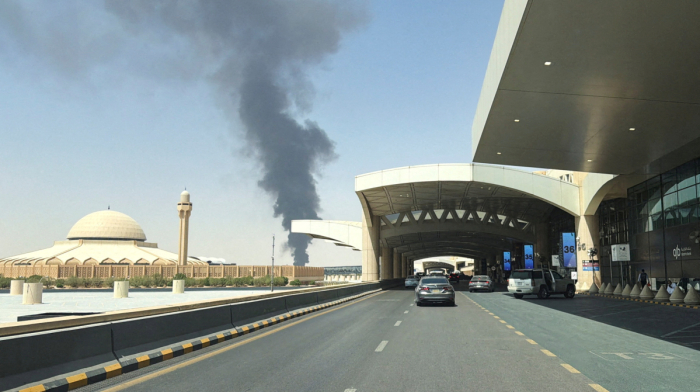
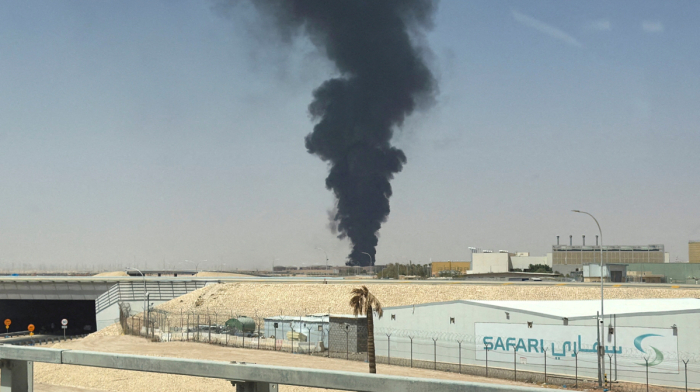
The explosion at King Khalid International Airport in Riyadh on Saturday afternoon killed at least 12 people and injured a further 309, according to Saudi Arabia’s Civil Aviation Authority. The airport remains closed until further notice.
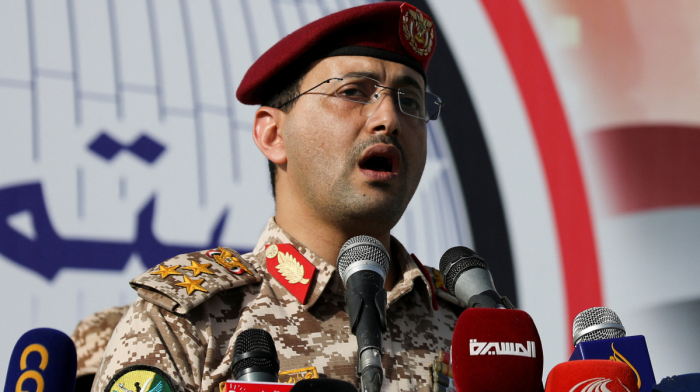
One person was killed and nearly a dozen hurt in a fresh attack on Riyadh's international airport on Sunday, Saudi authorities reported, a day after a strike claimed by Yemen's Houthis killed 13 people and wounded more than 300.
Yemen's Houthis renewed warning to airlines, airport workers, and travellers against using Saudi airports, saying the warning should be taken seriously and that the kingdom “bore responsibility for failed interceptions”, a day after an attack on Riyadh's international airport that killed 12 people.
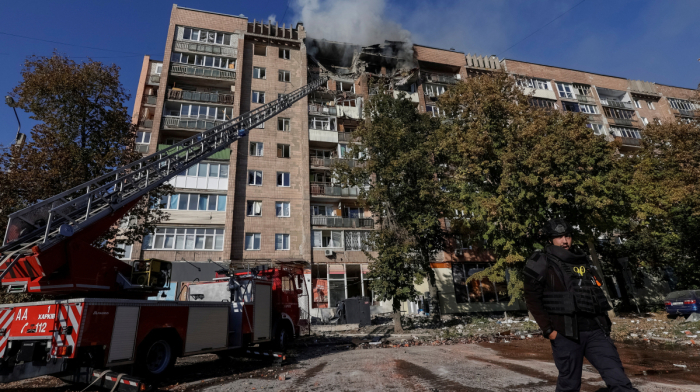
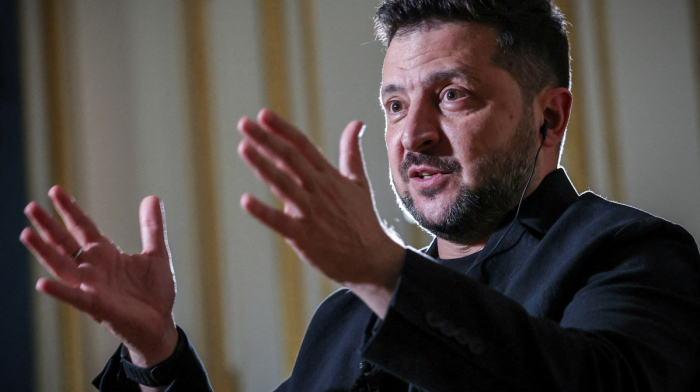
Ukraine is ready to stop attacks on Russian oil refineries if Moscow also halts strikes on Ukrainian energy infrastructure, President Volodymyr Zelenskyy said on Sunday.
One person was killed and nearly a dozen hurt in a fresh attack on Riyadh's international airport on Sunday, Saudi authorities reported, a day after a strike claimed by Yemen's Houthis killed 13 people and wounded more than 300.
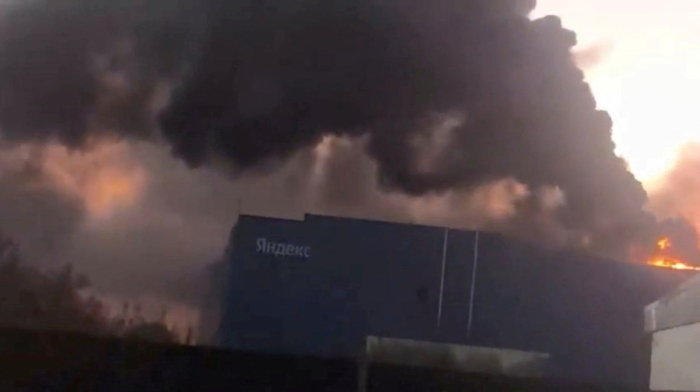
Russia's TASS news agency is reporting that Russia's defence and digital development ministries are in talks about how to protect data centres, after several Yandex centres were targeted in Ukrainian drone attacks.
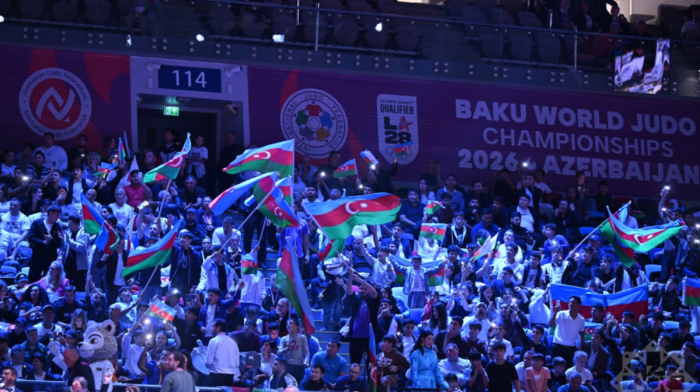
The 2026 Judo World Championships in Azerbaijan's capital came to a close with Japan claiming gold for the mixed team event of the competition, defeating Russia 4-1 in the final.
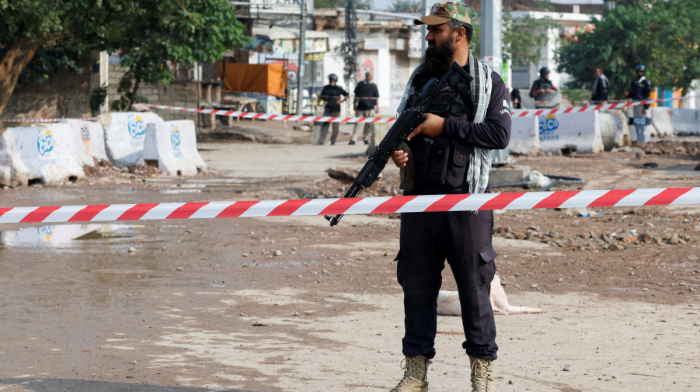
Pakistan has declared a state of emergency in Khyber Pakhtunkhwa, suspending the provincial government led by jailed former Prime Minister Imran Khan’s party. The move comes as tensions rise ahead of a planned protest calling for his release.
Yemen's Houthis renewed warning to airlines, airport workers, and travellers against using Saudi airports, saying the warning should be taken seriously and that the kingdom “bore responsibility for failed interceptions”, a day after an attack on Riyadh's international airport that killed 12 people.
Download the AnewZ app
You can download the AnewZ application from Play Store and the App Store.












What is your opinion on this topic?
Leave the first comment