live Trump urges action at Strait of Hormuz as 20,000 sailors stranded- Middle East, 31 March
The Iran-U.S.-Israel conflict is escalating further with missile and drone attacks, expanded strikes on key infrastructure, and growing regional fa...
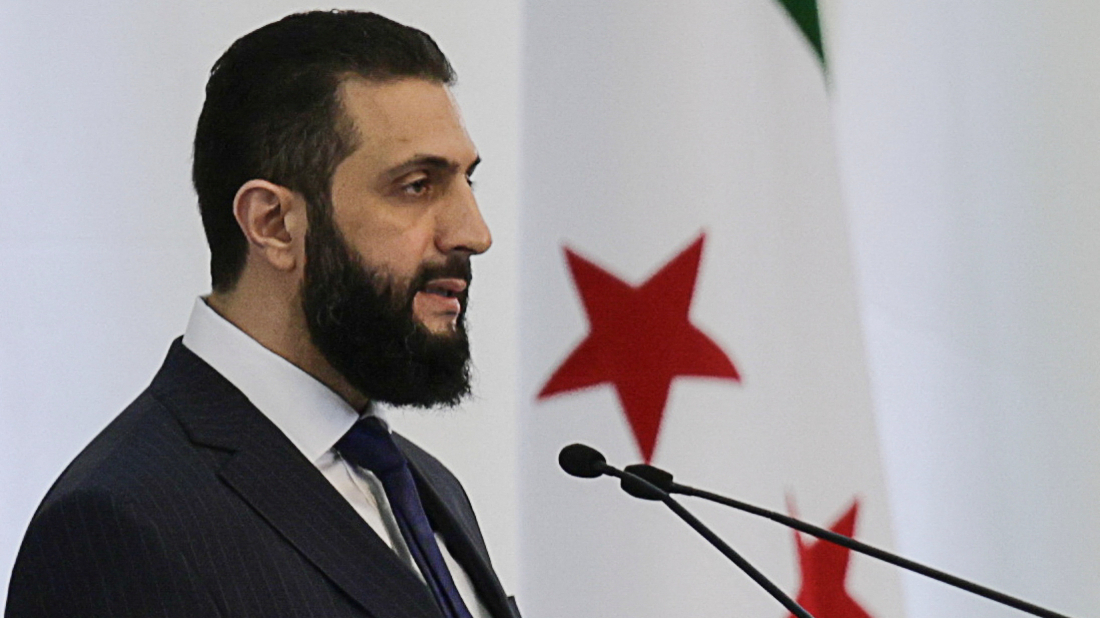
Syrian President Ahmed al-Sharaa announced a transitional government on Saturday, marking a key milestone in the country’s shift away from decades of Assad family rule and aimed at improving Syria's relations with the West.
Syria’s new Islamist-led authorities have been under pressure from the West and Arab countries to establish a government that reflects the country’s diverse ethnic and religious communities. This push for inclusivity intensified after the killings of hundreds of Alawite civilians—members of the minority sect from which former leader Bashar al-Assad hails—during violence along Syria’s western coast earlier this month.
Murhaf Abu Qasra and Asaad al-Shibani continue to serve as Defence and Foreign Ministers, respectively, roles they held under the previous caretaker cabinet established after Assad was toppled in December.
Sharaa, who was appointed interim president in January, has pledged to build inclusive public institutions and oversee the country until elections, which he estimates could take up to five years to hold. Unlike previous administrations, the transitional government will not have a prime minister, with Sharaa expected to directly lead the executive branch.
Earlier this month, Syria issued a constitutional declaration to serve as the foundation for the transitional period under Sharaa’s leadership. The declaration maintains a central role for Islamic law while also guaranteeing women’s rights and freedom of expression.
Analysts view the formation of this transitional government as a significant step toward stabilizing Syria and fostering better relations with the international community.

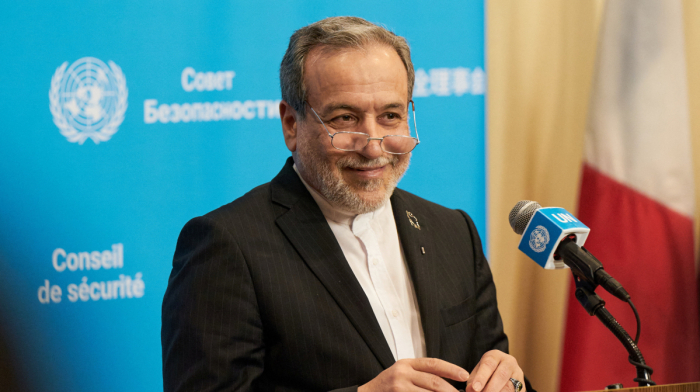
U.S. President Donald Trump has said that the U.S is in talks with the new Iranian regime. He said this in a post on his Truth Social account but warned that the U.S. will "Obliterate" Iran's electric and oil facilities if no deal is reached, especially regarding the Strait of Hormuz closure.
NASA is aiming to launch its Artemis 2 mission on Wednesday (1 April), sending astronauts on a 10-day journey around the Moon, officials confirmed. According to the Space Administration, the launch window is due to open at 23:24 GMT, with additional opportunities to 6 April if delays occur.
The Iran-U.S.-Israel conflict is escalating further with missile and drone attacks, expanded strikes on key infrastructure, and growing regional fallout. At the same time, diplomatic efforts to de-escalate began to emerge amid rising global energy and security concerns.
The Israeli military said on Monday that Iran launched multiple waves of missiles at Israel, and an attack had also been launched from Yemen for the second time since the U.S.-Israeli war began on Tehran. It said two drones from Yemen were intercepted early 30 March but gave no further details.
The war in Iran has rapidly upended regional security, triggering spillover across the Middle East and raising fears of wider economic disruption that could threaten globalisation.
Afghanistan’s Ministry of Mines and Petroleum says around 25 kilometres of the TAPI gas pipeline have been laid in Herat province, as work continues on one of the region’s largest energy projects.
Three Armenian citizens have been charged following an alleged attempt to attack Prime Minister Nikol Pashinyan at St Anna Cathedral in Yerevan on 29 March. Analysts say the incident reflects rising tensions between the government and the Church ahead of upcoming elections.
A man previously convicted of spying on Türkiye has been arrested by Turkish and Syrian authorities after more than a decade on the run, Turkish security sources said on Monday.
Uzbekistan is hosting the fifth-anniversary Space Technology Conference - Central Eurasia (STC 2026), bringing together more than 400 delegates, 24 sponsors and representatives from 32 countries to discuss the region’s space industry and expand international cooperation.
Kazakhstan remains among the least dependent countries in Central Asia on Chinese capital, maintaining a diversified external debt structure and greater financial flexibility than its regional peers.
You can download the AnewZ application from Play Store and the App Store.
What is your opinion on this topic?
Leave the first comment