IBM warns AI spending shift is hitting core business
IBM has warned that a surge in spending on artificial intelligence infrastructure is weighing on its core business, in one of the clearest signs yet o...
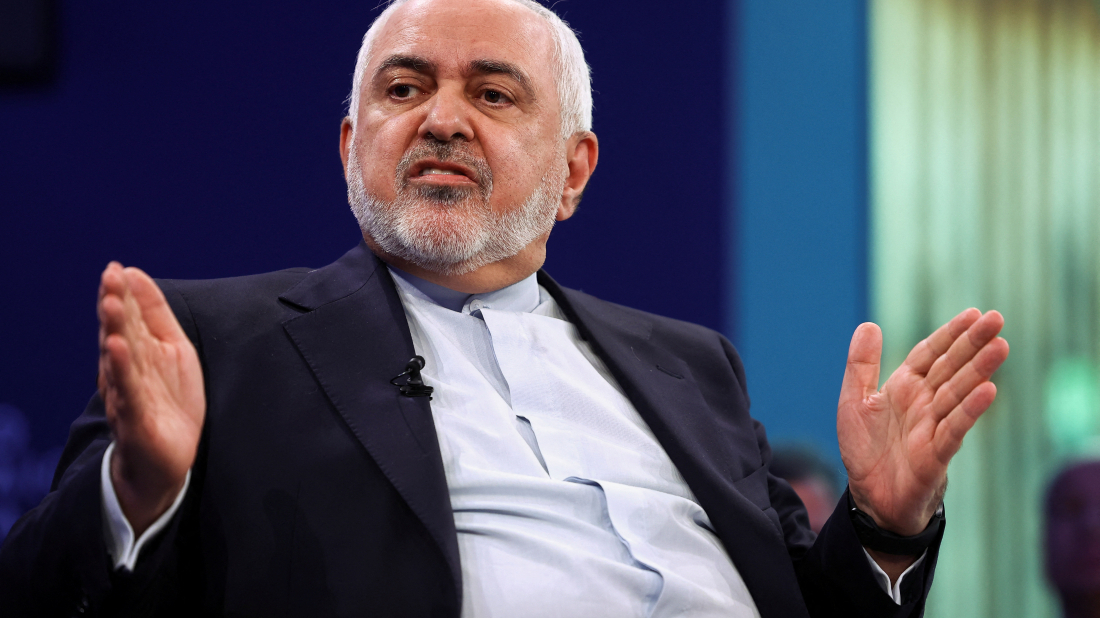
Iran's Deputy President for Strategic Affairs, Javad Zarif, announced his resignation on Monday after a prolonged legal dispute over his appointment.
In a post on X, the former foreign minister said he had worked with dedication in President Masoud Pezeshkian's government but faced "vile insults, slanders, and threats" over the past six months. Calling it the "most bitter" period of his 40-year career, he cited controversy over his appointment, as critics argued it violated the Constitution due to his US-born children.
Zarif, who played a key role in the 2015 Iran nuclear deal, said he had long endured accusations while serving national interests. Invited by the judiciary chief, he was advised to return to academia to ease pressure on the government.
"I hope that with my departure, obstacles to the people's will and the government's success will be removed," Zarif said.
Under heavy pressure from conservative circles, Zarif had previously dismissed speculation about his resignation. The president’s office has not commented yet, but sources suggest the resignation will be accepted.
Meanwhile, Economy Minister Abdolnasser Hemmati was impeached by parliament on Sunday amid economic struggles and a weakening rial.

The United States carried out a third consecutive night of airstrikes against Iran, targeting military capabilities around the Strait of Hormuz as Donald Trump announced the reinstatement of a blockade on Iranian shipping and proposed a 20% fee on cargo passing through the strategic waterway.
President Ilham Aliyev is holding his annual question-and-answer session with international journalists at the 4th Shusha Global Media Forum in Azerbaijan.
The United States and Iran have significantly escalated their conflict, exchanging heavy missile and drone strikes across the Gulf region. Iran claims it has once again closed the Strait of Hormuz, a vital global shipping route.
Start your day informed with AnewZ Morning Brief. Here are the top news stories for the 13th of July, covering the latest developments you need to know.
The 4th Shusha Global Media Forum gets underway on 13 July in Azerbaijan under the theme "The Mission of the Media in Promoting Peace: Restoring Truth and Rebuilding Trust". The event brings together nearly 160 media leaders, experts and officials from 53 countries.
President Ilham Aliyev has approved an agreement between the governments of Azerbaijan and Georgia on the supply of natural gas to Georgia, marking another step in energy cooperation between the two neighbouring countries.
Türkiye's first unmanned fighter aircraft has successfully completed a live-fire test using a domestically developed supersonic missile, striking a target more than 120 kilometres away over the Black Sea in another milestone for the country's defence industry.
Afghanistan and Türkiye are considering a tourism agreement to promote historic and religious sites, ease travel and train tourism workers, Afghan authorities said after talks in Kabul on Monday.
Pakistan has allowed a United Nations World Food Programme (WFP) aid convoy to enter Afghanistan through the Torkham border crossing, granting a rare humanitarian exemption despite months of restrictions on cross-border movement amid heightened security tensions with Afghanistan.
Climate change could leave Kazakhstan facing severe water shortages, longer heatwaves and mounting economic losses within decades, as rising temperatures and shrinking glaciers reshape water security across Central Asia, scientists warn.
You can download the AnewZ application from Play Store and the App Store.
What is your opinion on this topic?
Leave the first comment