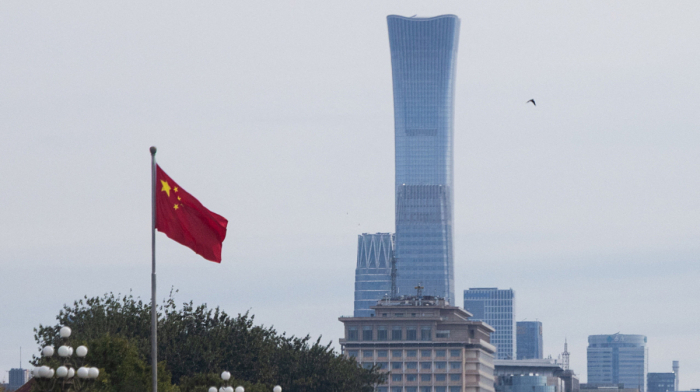
China tightens Communist Party oversight of tech firms and digital finance
China’s ruling Communist Party is stepping up oversight of technology firms, internet platforms and digital finance in a sweeping drive to ta...
Afghan authorities suspended BBC FM radio broadcasts nationwide on Tuesday (13 October), citing repeated but unspecified violations. The BBC said it was working with officials to restore the service.
The Ministry of Information and Culture confirmed the decision, but its spokesman, Khubaib Ghufran, did not specify which rules the broadcaster had broken or when transmissions might resume.
Ghufran told local media, “Due to some repeated violations by the BBC media outlet, it is decided that for time being its activity is suspended across the country.”
In April 2024, ministry officials urged the BBC to avoid reports and rumours they said could fuel divisions among Afghans and to respect the country’s religious and national values. The ministry has not clarified whether those concerns are linked to the latest suspension.
The BBC said it was in contact with Afghan authorities, highlighting the importance of its broadcasts to millions of listeners.
“Millions of people across Afghanistan rely on the BBC for accurate news and information and we are working with the authorities to address the situation,” a BBC spokesperson said in a statement.
The broadcaster says around 5.4 million people in Afghanistan access its services each week, representing more than one-fifth of the country’s adult population.
Although FM transmissions have been suspended, listeners can still access its Pashto, Dari and English programmes via shortwave and medium-wave radio, satellite and digital platforms.
The BBC launched its Pashto broadcasts for Afghan audiences in 1981.
The suspension follows a series of restrictions on media operations since the Taliban returned to power in August 2021, following the collapse of the former Afghan government.
Reporters Without Borders (RSF) ranked Afghanistan 175th out of 180 countries in its 2026 World Press Freedom Index. According to the organisation, authorities have issued more than 20 national directives affecting journalism since August 2021, as well as several provincial decrees.
The Afghanistan Journalists Center (AFJC) reported at least 207 violations of journalists’ and media rights between 18 March 2025 and 17 March 2026.
It remains unclear when BBC FM broadcasts will resume.
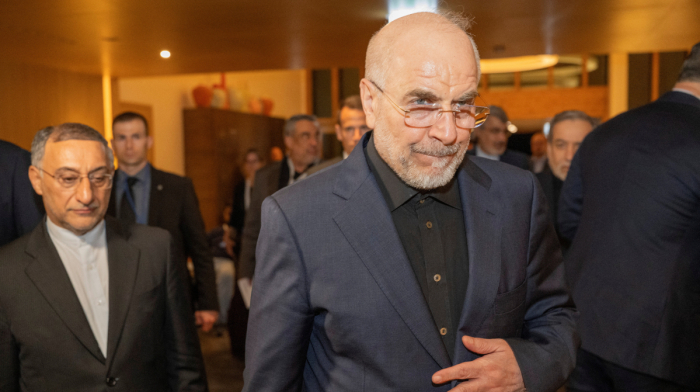
Iranian parliament speaker Mohammad Bagher Ghalibaf says the U.S. must act to prevent war after Tehran sent a “strong and rational response” to Washington. Meanwhile, U.S. forces have reportedly carried out limited strikes against Iranian targets, including Qeshm Island,
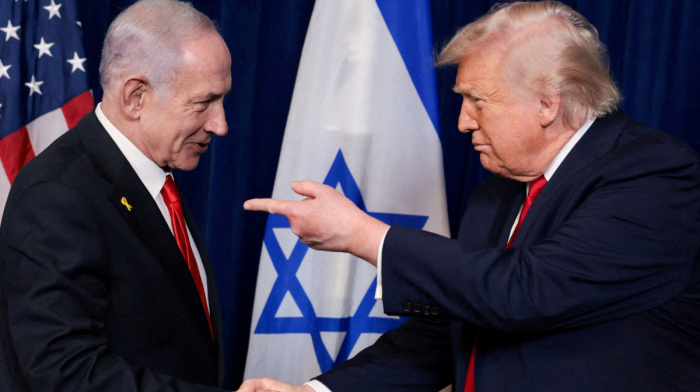
Hundreds of millions of U.S. citizens head to the polls on 3 November to elect the House of Representatives and Senate. How they vote could influence the direction of Donald Trump’s remaining 26 months in office and the outcomes of the Ukraine and Iran conflicts.
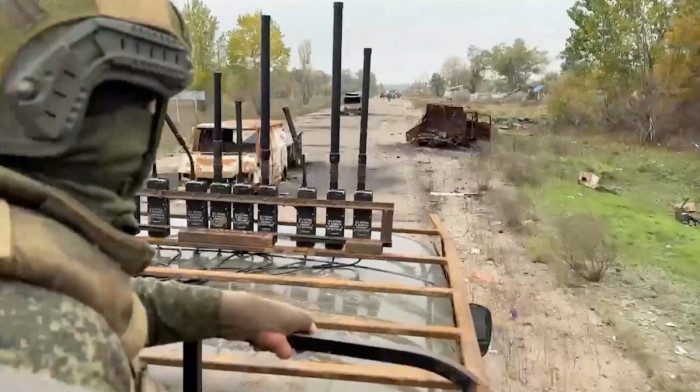
A six-day humanitarian ceasefire in the Russian-held Ukrainian town of Oleshky ended on Sunday, 1 November, after facilitating aid deliveries and civilian evacuations.
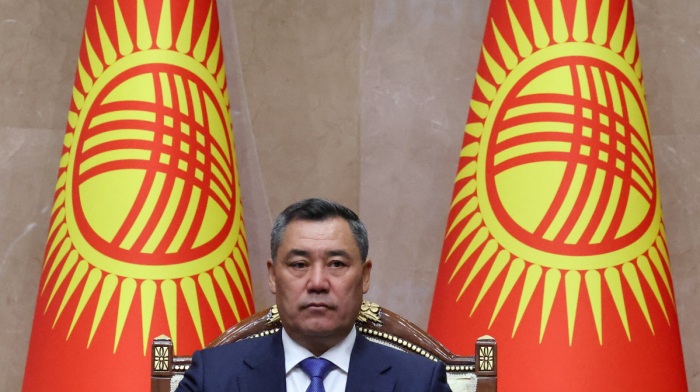
Kyrgyzstan has emerged as Central Asia’s fastest-growing economy, fuelled by a construction boom, public investment and trade linked to Russia. But with Western sanctions tightening, can the country sustain its rapid growth?
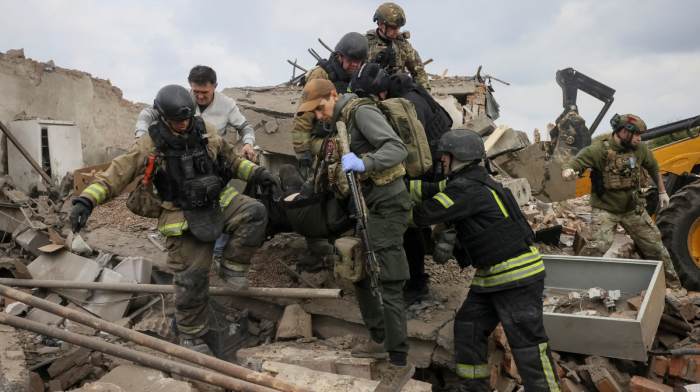
Russia airstrikes on a school used as a humanitarian aid distribution point in southeastern Ukraine's Zaporizhzhia region killed at least 26 people, including rescue workers and police officers, Ukrainian officials said. Another 27 people were reported missing.
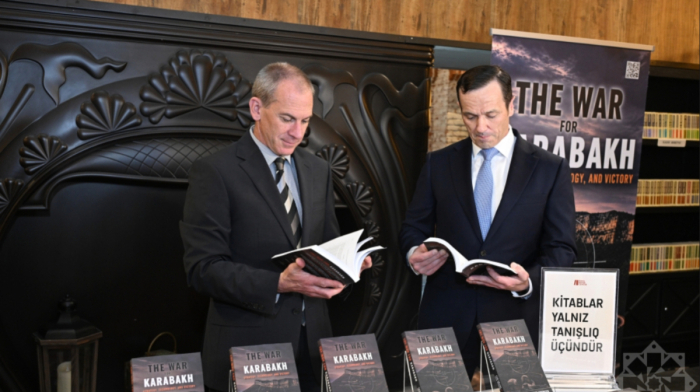
A new book examining Azerbaijan’s military strategy, technology and operations during the Garabagh wars has been unveiled in Baku, offering insights into the country’s victories and lessons for modern warfare.
Iranian parliament speaker Mohammad Bagher Ghalibaf says the U.S. must act to prevent war after Tehran sent a “strong and rational response” to Washington. Meanwhile, U.S. forces have reportedly carried out limited strikes against Iranian targets, including Qeshm Island,
Tajikistan has banned electronic cigarettes and nicotine delivery systems, becoming the latest Central Asian country to outlaw their production, import and sale as part of a wider push to protect public health.
Kyrgyzstan has emerged as Central Asia’s fastest-growing economy, fuelled by a construction boom, public investment and trade linked to Russia. But with Western sanctions tightening, can the country sustain its rapid growth?
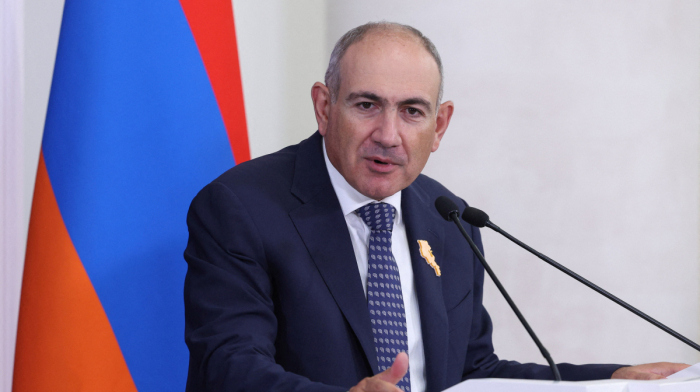
Armenian Prime Minister Nikol Pashinyan said the government plans to publish a draft of the country's new constitution in November, with public consultations to follow, as constitutional reforms remain a key issue in efforts to secure a final peace agreement with Azerbaijan.
You can download the AnewZ application from Play Store and the App Store.
What is your opinion on this topic?
Leave the first comment