Iran has offered to help ease escalating tensions between Saudi Arabia and Yemen's Houthis, warning that further conflict would benefit only Israel. The offer followed a phone call between the Iranian and Saudi foreign ministers.
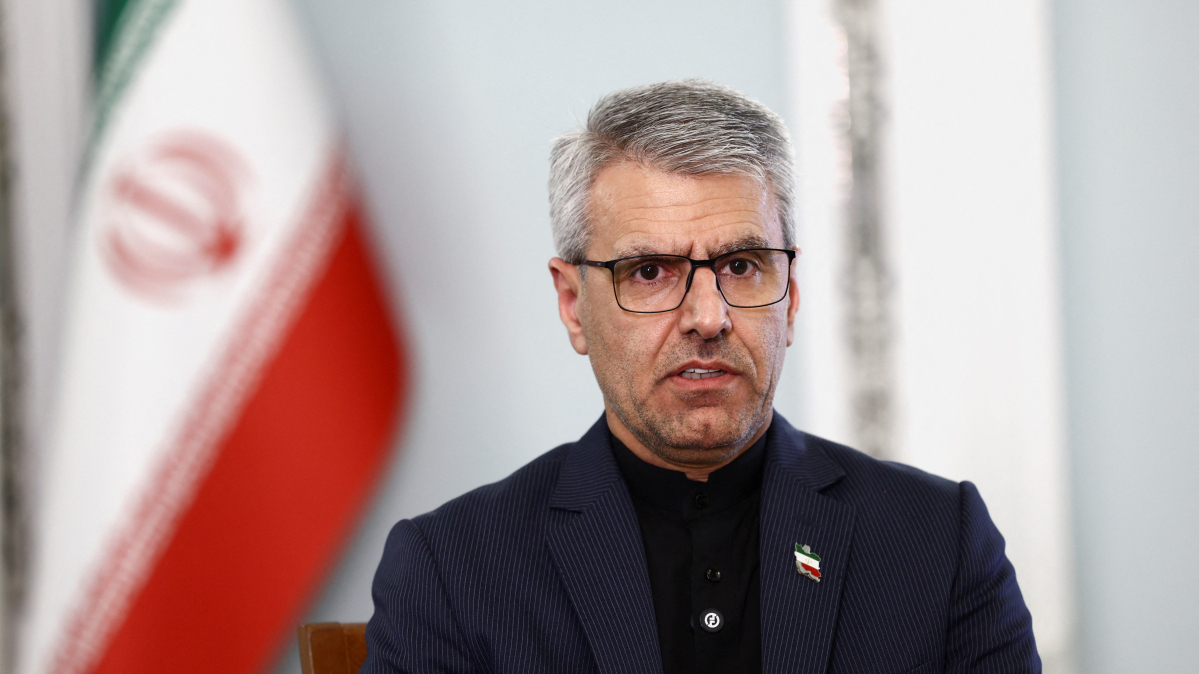
Iranian Foreign Ministry spokesman Esmaeil Baghaei made the remarks at a weekly press conference on Monday, following talks between Iranian Foreign Minister Abbas Araghchi and his Saudi counterpart, Faisal bin Farhan, late on Sunday.
“With regard to the talks that took place last night, I should say that consultations between Iran and the countries of the region are ongoing.”
Expressing Iran's deep concern over developments on the Arabian Peninsula, Baghaei said Tehran remained willing to facilitate negotiations.
“We have repeatedly declared our readiness to use our good offices to help facilitate dialogue between the parties.”
“We believe that the continuation and escalation of tensions will serve only to benefit the Israeli regime in the region,” Baghaei said.
“In this regard, we certainly do not want hostilities and war to continue between two Islamic countries.”
Iran and Saudi Arabia are major regional powers whose competing interests have frequently overshadowed opportunities for cooperation.
Saudi Arabia has reportedly supported efforts to contain Tehran militarily and economically while maintaining diplomatic relations. Iran, meanwhile, has backed Yemen's anti-Riyadh Houthi movement but denies providing it with military assistance.
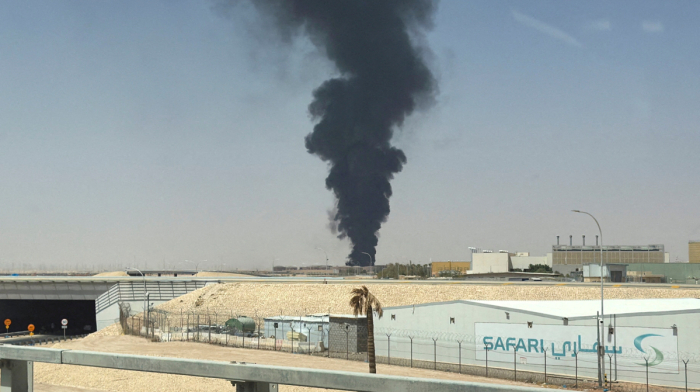
According to media reports, the Houthis have launched several attacks on Saudi Arabia over the past week, including a strike on Riyadh's international airport on Saturday that killed 13 people and injured more than 300.
The attack was reportedly the deadliest in the kingdom in more than a decade, since the Saudi-led military intervention in Yemen began in 2015.
“We have consistently expressed our position that the people of Yemen have the right to live a dignified life, free from pressure, sanctions, and blockade. What we have witnessed over these past 10 to 12 years is justifiable neither from an Islamic perspective nor under international law,” Baghaei added.
“In the meantime, during last night’s conversation, we also declared our readiness to help resolve the issue through dialogue.”
According to an Iranian Foreign Ministry statement, Araghchi expressed concern about the escalating tensions during his conversation with bin Farhan, warning that “insisting on a military approach and ignoring a political solution will further complicate the current situation”.
Araghchi stressed that the region's crises could not be resolved through military means and reiterated Iran's willingness“to provide any assistance to help start a dialogue between Saudi Arabia and Yemen and to help achieve a political solution.”
Iran backs negotiated settlement in Yemen
Baghaei reaffirmed Tehran's support for a negotiated agreement between Saudi Arabia and Yemen, saying the conflict should have been settled years ago.
“The issue of Yemen should have been resolved long ago through an agreement reached between the Yemenis and Saudi Arabia”.
He pointed to an earlier roadmap agreed by the two sides, which Iran had supported but which was never implemented.
“As you know, a roadmap had been agreed upon between Yemen and Saudi Arabia, and we had also emphasized that we support the implementation of whatever the two parties have agreed upon with each other. However, this did not happen.”
Referring to a deadly Saudi strike on Sanaa airport in July, Baghaei said Tehran had warned at the time that the attack risked triggering further escalation.
“At the time, we expressed our grave concern that this incident could lead to an escalation of the situation. Unfortunately, we are now witnessing precisely such a situation.”
“Our request is that this situation genuinely be resolved through dialogue and engagement,” he stated.
Tehran calls for stronger Gulf cooperation
Baghaei also welcomed the upcoming visit of Iraqi Prime Minister Ali al-Zaidi to Saudi Arabia, highlighting the potential for closer ties between Baghdad and Riyadh to help reduce regional tensions.
He said Iran had consistently supported greater cooperation among neighbouring countries, including proposals for joint meetings involving Persian Gulf states.
“We have always supported strengthening engagement and cooperation among the countries of the region. As you may recall, a long time ago, we even proposed holding a joint meeting of the Persian Gulf states with the participation of Iran and Iraq, and I believe one such meeting was held a year or two ago,” he replied.
“Some time ago, we also proposed holding a similar meeting, which was supposed to take place in Salalah, Oman, but others did not agree to it.”
Eight countries border the Persian Gulf: Bahrain, Iran, Iraq, Kuwait, Oman, Qatar, Saudi Arabia and the United Arab Emirates. Iran and Iraq, however, are not members of the Gulf Cooperation Council.
Baghaei argued that stronger regional relationships and mutual trust were essential to lasting security and reducing outside interference.
“Strengthening relations and trust among regional countries lays the groundwork for, and is a prerequisite for, creating a secure region free from the destructive interference of foreign actors,” Baghaei said.














What is your opinion on this topic?
Leave the first comment