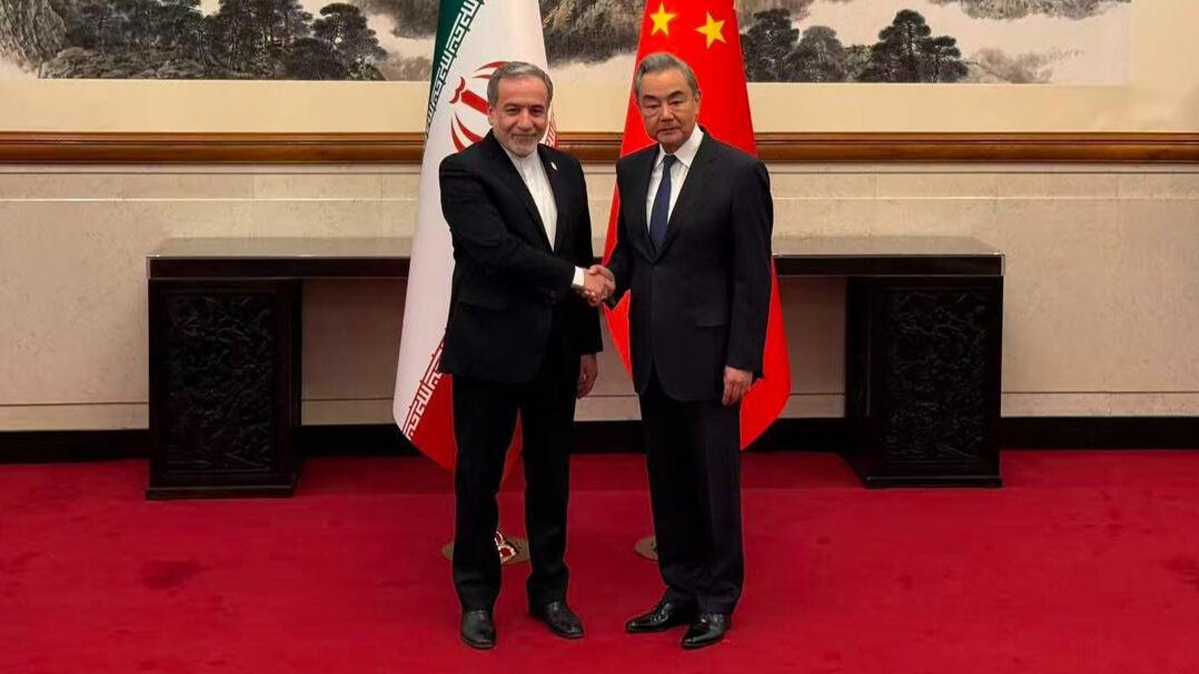
Iranian Foreign Minister Abbas Araghchi has described his visit this week to Beijing as “successful", emphasising the significance of Tehran’s strategic partnership with Beijing.
In a post on X, Iran’s top diplomat said he held talks with Chinese leaders, adding that the Islamic Republic values its strategic relations with China.
“Successful consultations in China with our partners. Iran values strategic partnership we have built over time. 4 principles for peace outlined by President Xi are key,” he wrote.
Araghchi did not elaborate on the Chinese president’s proposals, but Chinese media reported that Foreign Minister Wang Yi urged Iran and the U.S. to return to the interim peace signed in June known as Islamabad Memorandum of Understanding.
Earlier this week, former Foreign Minister Mohammad Javad Zarif -- who had negotiated and signed the Iran nuclear agreement with global powers in 2015 known as JCPOA -- welcomed President Xi’s initiative.
“President Xi’s constructive initiatives offer timely openings to de-escalate tensions,” he wrote in a post on X. “Sustainable regional security requires mutual respect for sovereignty, an end to coercive measures and adherence to international law.”
“Multilateral diplomacy is the only viable path to stability,” he added.
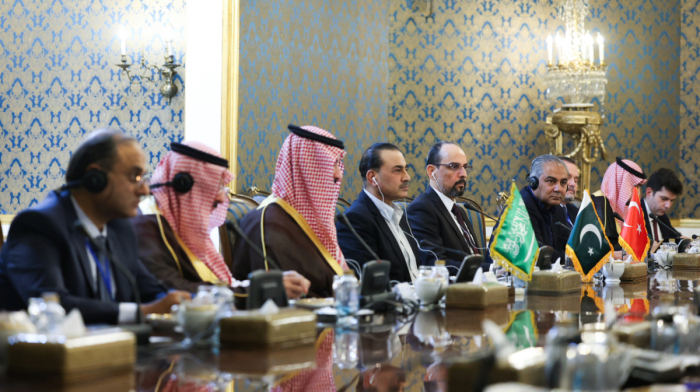
According to an Iranian Foreign Ministry statement quoted by the IRNA news agency, Araghchi also held phone calls with his Turkish counterpart and Pakistan’s Army Chief on Wednesday during his visit to Beijing, to discuss with them the latest regional developments and issues of mutual interest.
A history of Middle East diplomacy
In a bid to maintain its interests in the Middle East and the oil-rich Persian Gulf region, China brokered an agreement between Iran and Saudi Arabia in 2023 on resumption of their diplomatic relations after eight years.
Based on this Beijing Agreement, diplomatic ties between Tehran and Riyadh, which had been severed since 2015 following Saudi’s invasion of Yemen and attacks on its diplomatic missions in Iran, were restored. The two rival regional powers agreed to reopen embassies and mend their political relations.
In addition to traditionally close bilateral economic and trade ties between Iran and China, the two countries have also established strategic relations.
Under the Iran-China 25-year Cooperation Program or Comprehensive Strategic Partnership signed in Tehran by the Chinese and Iranian foreign ministers in 2021, Tehran and Beijing agreed to foster their ties. No further details have been announced.
Read more:










What is your opinion on this topic?
Leave the first comment