Mohammad Saeed had just turned 18 when he fled to Iran with his parents and younger brother and sister, escaping the Taliban's return to power in Afghanistan in 2021.
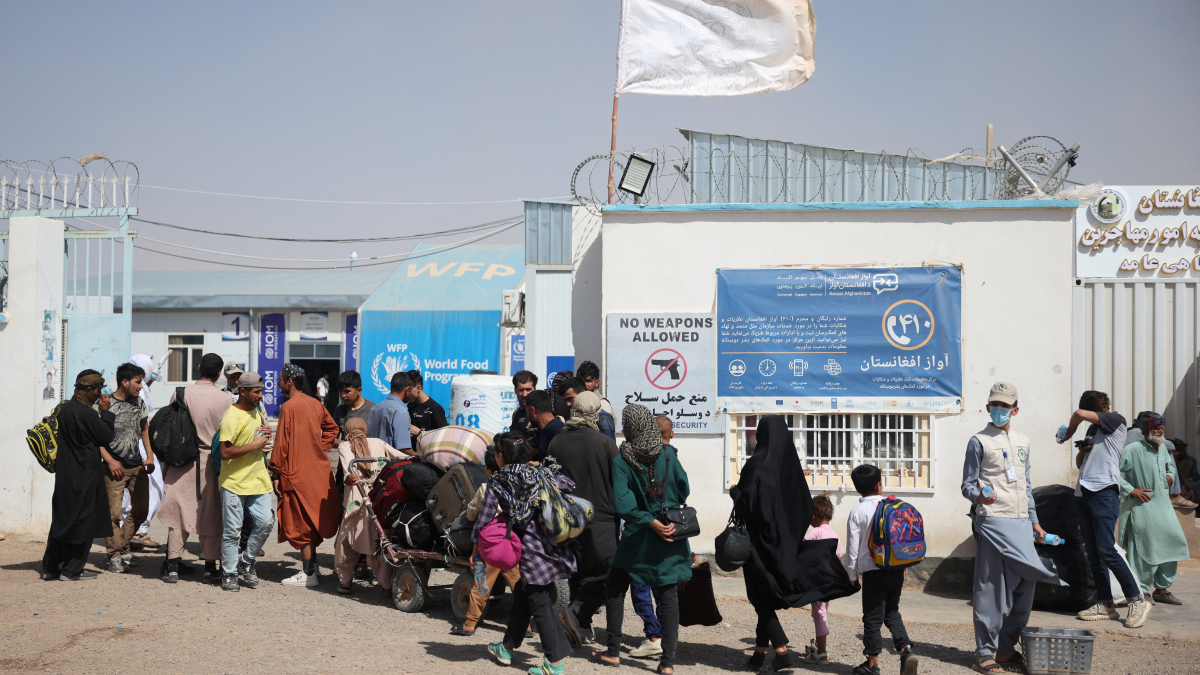
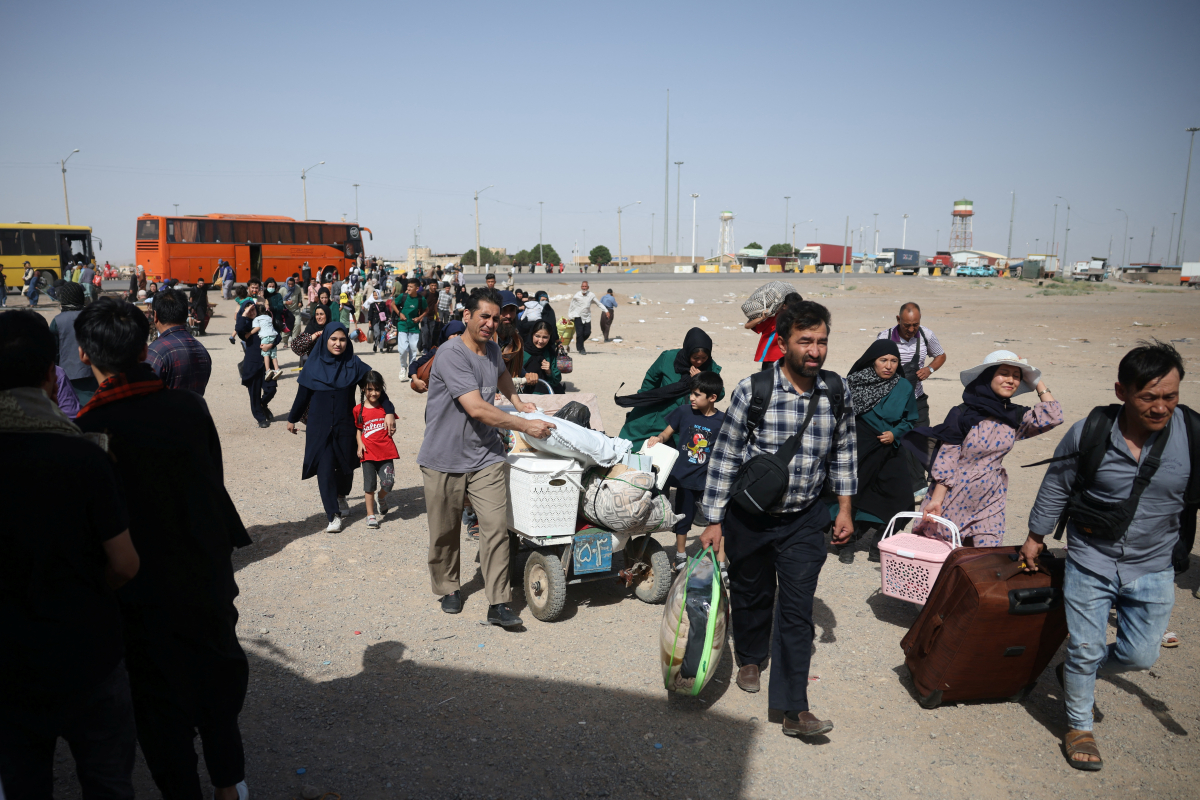
Now Saeed and his family are among thousands who have returned home to escape the economic crisis in Iran triggered by the conflict with the U.S. and Israel.
The family came back nearly empty-handed, Saeed said.
“The Iranian currency had fallen so sharply,” he said, that the family's savings, held in Iranian rials, lost more than two-thirds of their value.
As economic conditions in Iran have worsened, many Afghans said they felt they had little choice but to return home. They are coming back with their wives and daughters, despite the severe restrictions on women in Afghanistan, with curbs on their education, travel and employment.
Most returning Afghans said they had been out of work for months and crushed by spiralling inflation before they decided to return.
Food inflation has been even higher, at almost 130 per cent, making bread, milk and other essentials increasingly unaffordable.
In the past, some Afghan salesmen could make profits in Iran's bazaars by selling goods at around double the price at which they'd been purchased, said Sayed Jawed Qazi Khani, a 40-year-old migrant. But inflation and vanishing savings among both Iranians and Afghan migrants led to a collapse in consumer demand.
Only 29 per cent of Afghans who recently returned from Iran said they had any savings left after their average income fell by nearly one-third compared to pre-crisis levels, according to surveys by the International Organization for Migration (IOM).
More women return
More than 2 million Afghans have left Iran over the past two years. Most were deported or pressured to leave by Iranian authorities before the latest wave of returnees, who left amid the war, according to data from the United Nations Refugee Agency (UNHCR).
But compared to pre-crisis levels, the crowds of returning Afghans increasingly also include women and entire families, according to returnees and IOM data.
Abdul Jabbar, 44, said he did not want to take his wife, two daughters, grandson and mother back to Afghanistan. Their family had lived in Iran for nearly four decades and Jabbar had found work as an exterior finisher of buildings.
When the nearby military base was repeatedly hit by missiles and work dried up amid the war this year, Jabbar said, extended Afghan family members encouraged him to return, promising work and safety from American missiles.
Restarting a cheese business
At Islam Qala, at least 20 to 40 families, including women and girls, return voluntarily each day, said Abdul Ghani Qazizadeh, a senior Taliban government official at the border.
“The wages they earn are no longer enough to cover their basic living expenses,” he said.
As U.S.-Iran tensions escalated this year and inflation surged, food became so scarce that Jami said she struggled to source the ingredients needed for the business, including milk.
The family sees a market opportunity in Afghanistan, where high-quality pizza cheese is a rare commodity. They say they work with girls who would be of school age in other countries, but are barred from education above sixth grade and from university under Taliban rules.
Since Jami's return to Afghanistan five months ago, she said her 17-year-old daughter has struggled the most.
“She keeps telling me, 'Mother, I studied for eight years, and now I’m just staying at home',” Jami said. “There is nothing I can do except telling her, 'Be patient. God is generous.'”

















What is your opinion on this topic?
Leave the first comment