




11:24 CET
Top officials from Mecca pact countries to visit Tehran
Iran's Supreme National Security Council says senior officials from Saudi Arabia, Pakistan and Türkiye...
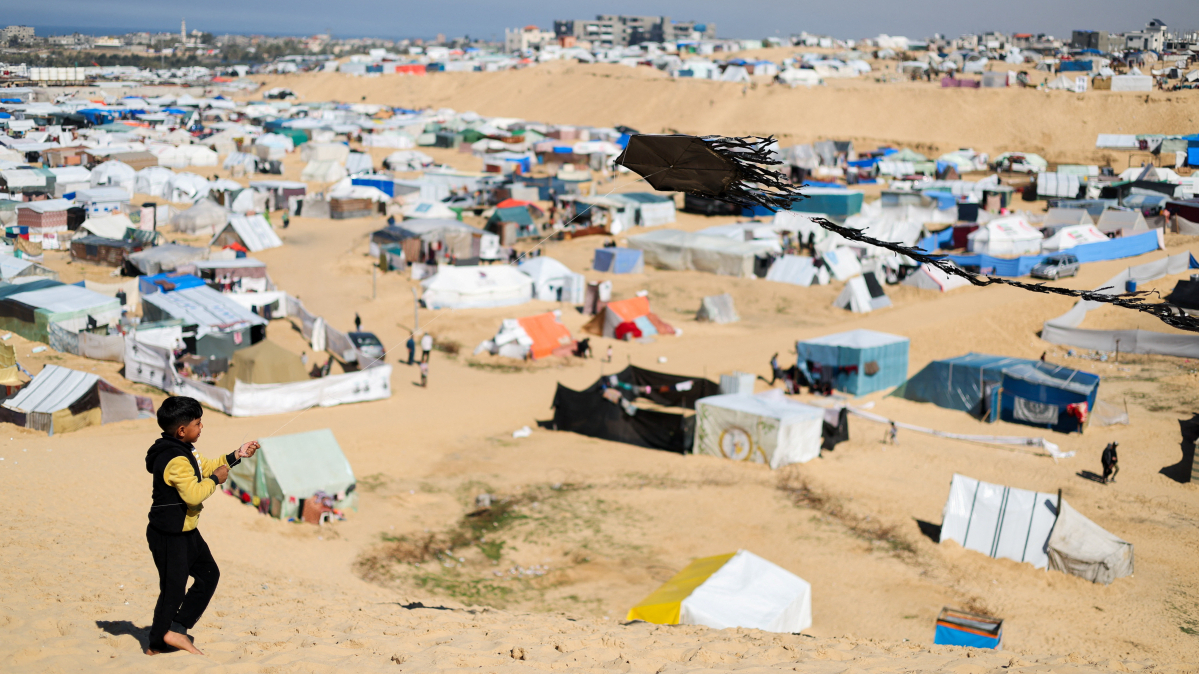


Parents in Gaza are being urged to stop their children flying kites after Israel threatened tougher military action over those drifting across the border.
The warning was issued on Monday, 24 August, by popular committees representing charities and non-governmental organisations that run displacement camps and shelters across the Gaza Strip.
A source in Hamas said the announcement had been coordinated with the group’s authorities.
The committees said the decision was not intended to take away one of the few simple pleasures still available to children living through war.
“We are working tirelessly on the ground and doing everything possible to stop this practice, not to restrict the childhood of our children, who have already been deprived of the most basic rights to play and live in safety, but to protect their innocent lives.”
For families already living with displacement and insecurity, the warning has added another layer of anxiety to an activity that would normally be a simple part of childhood.
Umm Mohammed, a mother from Gaza City, told Reuters she was particularly worried about her 10-year-old son, Ahmed.
“Every summer, my kid, Ahmed, 10, and the kids in the street fly those kites to entertain themselves, but I will not allow him to, not anymore,” she said.
In recent weeks, several kites have been seen drifting from Gaza into Israel. Israeli authorities say the sightings have caused alarm in communities near the border, many of which were attacked during the Hamas-led assault on Israel on 7 October 2023.
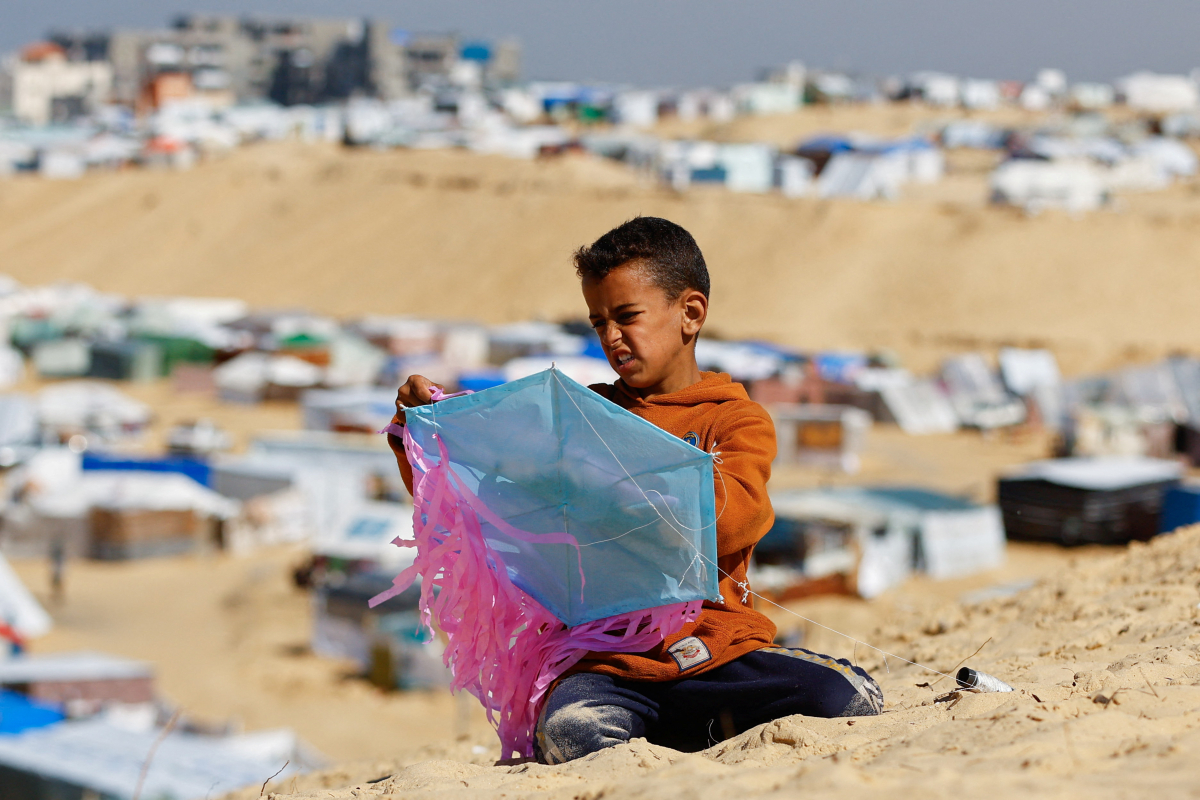
However, Israeli officials have not reported finding explosives or incendiary materials on the kites discovered recently.
The Israeli army said four kites found near Nahal Oz on Saturday contained no suspicious materials and “posed no danger to the public”.
A U.S.-led Board of Peace source also said the kites reaching Israel had not been used to carry weapons or incendiary materials, describing the issue as a “complex challenge”.
“It is extremely difficult to deal with something that any child can make on their own,” the source said.
Concerns over the kites stem partly from events in 2018, when Palestinians in Gaza used incendiary kites and balloons to send burning materials over the border during protests against Israel’s blockade.
The tactic caused fires across large areas of Israeli farmland and open fields.

The kites being seen now have not been reported to carry incendiary devices. Field reports indicate that many are simply recreational kites flown by children in Gaza’s displacement camps. When strings snap, strong winds can carry the kites into Israeli territory.
That distinction has done little to ease tensions.
Israeli Prime Minister Benjamin Netanyahu warned on Sunday, 23 August, that those responsible for sending kites, balloons or drones towards Israel could be targeted for assassination, while areas from which they are launched could face evacuation orders.
Israeli Defence Minister Israel Katz also warned of a stronger response, saying he and Netanyahu had instructed the Israeli military to adopt a policy of “zero tolerance and zero containment” towards kites and balloons launched from Gaza.
“If the launches continue, powerful actions will be taken to put an end to the phenomenon,” Katz wrote on X. He added: “A balloon and kite shall be treated the same as a drone - with or without explosives.”
Israeli airstrikes killed at least two Palestinians, including a four-year-old boy, on Sunday after Israel said it was responding to launches of kites, balloons and drones from Gaza.
Israeli media reported that Israel had given the Board of Peace three days to stop the kites from reaching its territory, warning that attacks on Gaza could be intensified if they continued.
Israeli officials have accused Hamas of encouraging the launches to test Israel’s response, although the reports cited by Israeli media did not provide evidence to support the claim.
Hamas has rejected the accusation.
A Hamas official said the group had complained to ceasefire mediators that Israel was using the kites as “fake pretexts to continue the war on Gaza”.
Hamas spokesman Hazem Qassem described them as “children’s toys in displacement camps” and called on the U.S. administration, mediators and guarantor states to pressure Israel to uphold the ceasefire..
The dispute comes against the backdrop of a fragile ceasefire that has failed to end violence in Gaza.
According to figures from the Palestinian Health Ministry cited in the reports, Israeli forces have carried out repeated violations since the ceasefire took effect on 10 October 2025, killing 1,288 people and injuring 4,290.
The wider war, which began after the 7 October 2023 Hamas attack on Israel, has killed more than 73,000 Palestinians and wounded more than 174,000, according to the ministry. Around 90 per cent of Gaza’s civilian infrastructure has been devastated.
Against that backdrop, a kite can seem like a small thing.
For children living in displacement camps, however, it can also be one of the few reminders of ordinary life. Parents are now being asked to take away that small freedom amid fears over what could happen if a kite crosses the border.
For Ahmed’s mother, the choice is simple. She would rather see her son give up his kite than risk him being caught in another escalation.

Iran's Supreme National Security Council says senior officials from Saudi Arabia, Pakistan and Türkiye...

Russian strikes hit several parts of Ukraine overnight, injuring at least six people and targeting energy and port infrastructure, as President Vol...

Serbia's Aleksandar Vucic has conceded defeat after a student-led protest movement took the majority of s...

Around 11,000 people joined a demonstration in Orléans on Saturday against the National Rally congress, according to the local prefecture.

Uzbekistan summoned Iran’s ambassador following claims by several Iranian diplomatic missions that the historical and architectural heritage of Samarkand belongs to Persian or Iranian-Islamic civilisation, Tashkent's Foreign Ministry said.
Serbia's Aleksandar Vucic has conceded defeat after a student-led protest movement took the majority of seats in Sunday's parliamentary elections.

Israeli forces have maintained a tight closure on Hebron in the occupied West Bank for a second day, with Palestinian media reporting home raids, mass detentions and dozens of residents forced outside following a shooting incident the day before.

German police have detained a suspect after a major fire broke out at the historic Kehlsteinhaus, known as the “Eagle’s Nest”, a mountain retreat once used by senior Nazi officials, including Adolf Hitler.

Thousands of Israelis rallied in Tel Aviv on Saturday demanding an independent commission of inquiry into the failures surrounding the 7 October 2023 Hamas-led attack, three days before a national election.
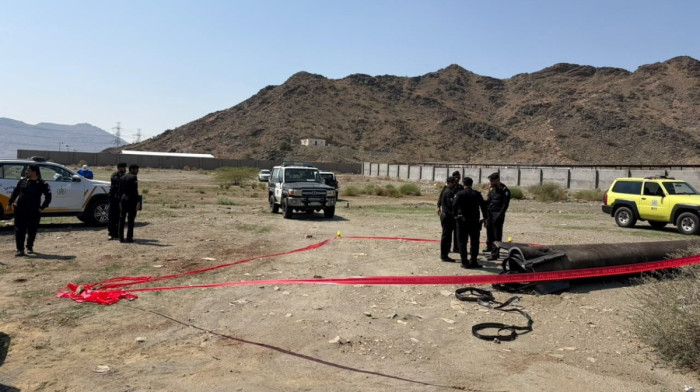
Saudi Arabia religious leaders have condemned attacks targeting holy sites and civilians after authorities reported intercepting two ballistic missiles launched towards the Mecca and Medina regions, while Yemen’s Houthi movement denied targeting the two cities.
Uzbekistan summoned Iran’s ambassador following claims by several Iranian diplomatic missions that the historical and architectural heritage of Samarkand belongs to Persian or Iranian-Islamic civilisation, Tashkent's Foreign Ministry said.
Israeli forces have maintained a tight closure on Hebron in the occupied West Bank for a second day, with Palestinian media reporting home raids, mass detentions and dozens of residents forced outside following a shooting incident the day before.
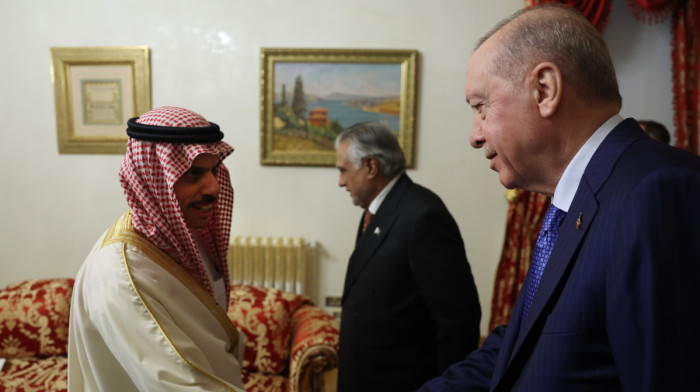
Foreign ministers meeting in Istanbul on Friday warned that renewed military strikes on Iran could deepen the regional conflict, urging diplomatic efforts to prevent further escalation.
You can download the AnewZ application from Play Store and the App Store.




What is your opinion on this topic?
Leave the first comment