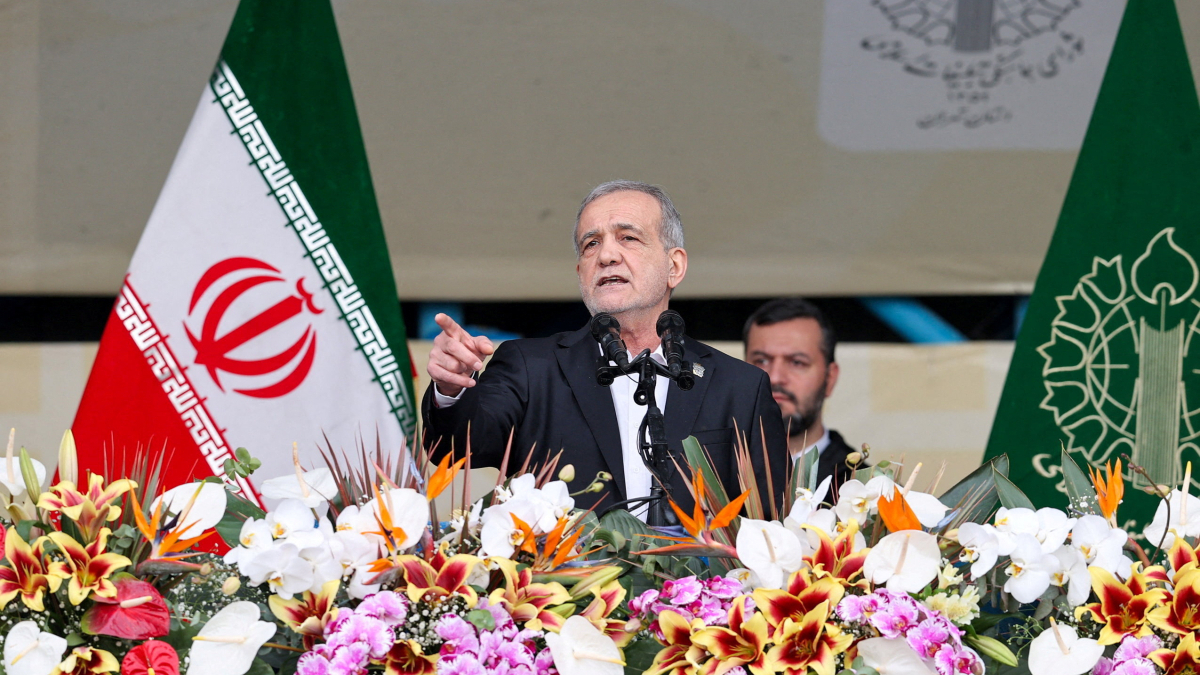
Iranian President Masoud Pezeshkian has backed diplomacy as a “rational choice” to protect national interests while maintaining Iran’s military posture following the Israeli-U.S. war on Iran.
“He said the most rational and nationally beneficial course of action for Iran is to complete the battlefield victory of the Armed Forces through diplomacy and to secure the Iranian people’s rights from a position of dignity and strength,” the President’s Office reported.
Amid stalled talks with the U.S., Pezeshkian said Iran faced three options: “Enter negotiations with dignity and national interest, remain in a state of neither war nor peace, or continue confrontation.”
“The rational choice,” the Iranian chief executive added during a meeting on Monday, “is diplomacy from a position of strength, while maintaining mistrust toward the U.S. and remaining committed to national interests.”
Nuclear programme remains sticking point
Following exchanges of proposals and counterproposals between Tehran and Washington via Islamabad, Iran’s insistence on excluding its civilian nuclear programme from negotiations appears to have become a stumbling block to resuming an agreement aimed at halting the war.
Meanwhile, the spokesman for Parliament’s National Security and Foreign Policy Commission, Ebrahim Rezaei, said the head of the Atomic Energy Organization of Iran (AEOI), Mohammad Eslami, had stressed that “enrichment is non-negotiable and nuclear assets are protected.”
Speaking to reporters following a meeting with the AEOI chief, the MP quoted him as saying: “The issue of nuclear technology is not on the agenda of the negotiations.
“The nuclear industry will continue powerfully, and we will protect nuclear achievements.”
Regional diplomacy and Strait of Hormuz tensions
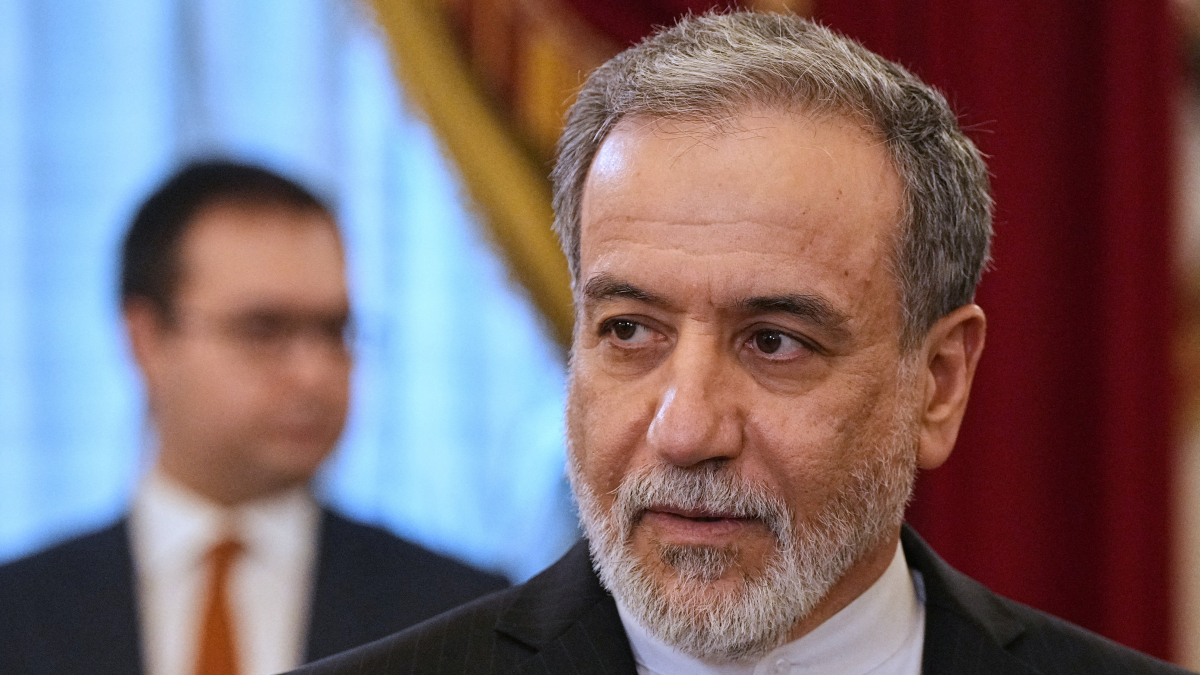
While Iran and the U.S. appear to be moving away from an interim deal to end the war, Foreign Minister Abbas Araqchi and Saudi Foreign Minister Faisal bin Farhan held a phone call on Monday for the second time in 24 hours.
According to a Foreign Ministry statement, “They consulted on the latest developments related to the ongoing diplomatic process between Iran and the United States, mediated by Pakistan.”
In another sign of growing strain, Deputy Foreign Minister for Legal Affairs Kazem Gharibabadi, in a post on X on Monday, condemned the U.S. draft UN Security Council resolution on the Strait of Hormuz as a bid “doomed to failure”.
He said the joint draft resolution had been tabled to “turn the backlashes of a military aggression and illegal blockade into a case against a country that has been the target of threats, pressure, and attacks”.
“Any text that attempts to formulate the situation in the Strait of Hormuz without mentioning aggression, blockade, threat of force, and Iran’s legitimate rights to defend its security and vital interests will be incomplete, biased, political, and doomed to failure,” he added.















What is your opinion on this topic?
Leave the first comment