Iran said on Sunday (10 May) that it had sent its response to a U.S. proposal aimed at launching peace talks to end the war, as signs of tentative movement emerged around the Strait of Hormuz despite renewed security incidents across the Gulf.
According to Iran’s state news agency, IRNA, Tehran’s response was delivered to the mediator, Pakistan. The proposal is understood to focus first on ending the conflict before addressing more divisive issues, including Iran’s nuclear programme, although no further details were released.
Limited shipping resumes through Hormuz
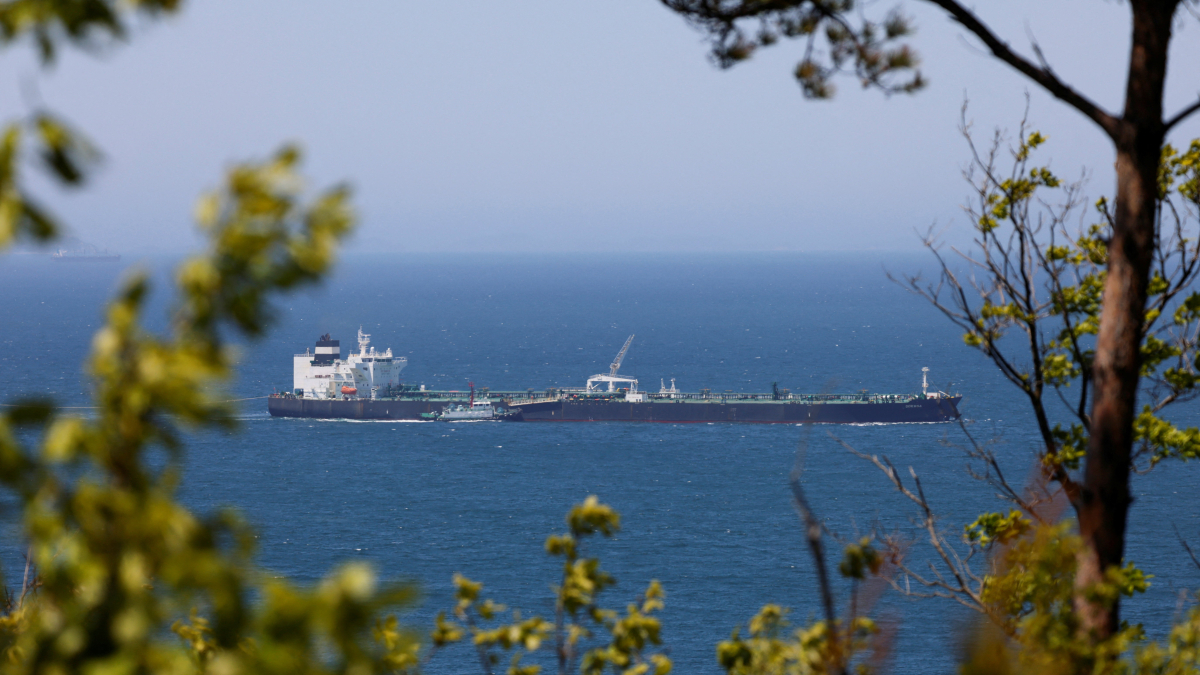
The diplomatic developments came as two commercial vessels were allowed to transit the Strait of Hormuz, one of the world’s most strategically important shipping lanes.
The Qatari liquefied natural gas carrier Al Kharaitiyat, operated by QatarEnergy, passed through the strait and was heading towards Pakistan’s Port Qasim, according to shipping analytics firm Kpler.
It was the first Qatari LNG vessel to make the crossing since the outbreak of war between the United States and Israel on 28 February.
For Pakistan, where prolonged electricity cuts have followed disruptions to gas imports, the shipment offered some relief. Sources familiar with the matter said Iran had approved the transfer as part of efforts to build trust with both Qatar and Pakistan, which have been involved in mediation attempts.
A second vessel, the Panama-flagged bulk carrier Mdl Toofan, also passed through the strait on Sunday after previously being turned back earlier this month. Iran’s semi-official Tasnim news agency reported that the ship used a route designated by Iran’s armed forces.
Gulf tensions remain high despite ceasefire
Even so, tensions across the Gulf remained high. The United Arab Emirates said it had intercepted two drones originating from Iran, while Qatar condemned a drone strike on a cargo vessel in its waters.
Kuwait’s Defence Ministry said a “number of hostile drones” were detected in the country’s airspace at dawn on Sunday (10 May), with the army later confirming it had intercepted and dealt with the aircraft, in the latest security incident linked to the Iran conflict.
The UAE condemned the attacks, calling them “terrorist attacks” that constituted “a violation of the sovereignty of Kuwait and a threat to its security and stability”, according to a statement on X from the Emirati foreign ministry.
The incident follows a series of recent drone-related attacks. On 25 April, Kuwait said two drones launched from Iraq struck northern border posts, causing damage, while on 8 April its air defences intercepted a wave of Iranian drones targeting vital infrastructure.
Iran has imposed severe restrictions on non-Iranian shipping through the Strait of Hormuz, a narrow waterway that previously carried around a fifth of the world’s oil supply. The disruption has fuelled a global energy crisis and raised fears of further economic instability.
Qatar warns against using Hormuz as 'pressure tool'
Qatari Prime Minister Sheikh Mohammed bin Abdulrahman al-Thani warned Iran against using the strait as “a pressure tool” during a phone call with Iranian Foreign Minister Abbas Araghchi, according to Qatar’s foreign ministry.
He told Araghchi that freedom of navigation should not be compromised and said using the waterway in this way would “only deepen the crisis”.
Trump prepares for China visit amid diplomatic efforts
The latest exchanges come as U.S. President Donald Trump prepares for a visit to China this week, with growing pressure from allies and voters at home to contain a conflict that has pushed up global fuel prices and unsettled financial markets.
Washington has struggled to rally broad international backing for military efforts linked to reopening the strait. NATO allies have so far resisted U.S. calls to contribute naval forces without a full peace agreement and an internationally mandated mission.
Britain, meanwhile, said on Saturday (9 May) that it was deploying a warship to the Middle East in preparation for a possible multinational operation to protect shipping routes once conditions allow.














What is your opinion on this topic?
Leave the first comment