Iran’s Permanent Mission to the United Nations in New York has warned that U.S. President Donald Trump’s threat to attack civilian infrastructure risks dragging the region into an “endless war,” calling for immediate action by the world body.
“If the conscience of the United Nations were alive, it would not remain silent in the face of the overt and shameless threat by the war-mongering President of the United States to target civilian infrastructure,” the mission said in a post on social media platform X on Sunday.
The statement followed what it described as unprecedented threats by the U.S. President to destroy infrastructure essential to civilian survival if Iran does not open the Strait of Hormuz by Tuesday.
“Trump seeks to drag the region into an endless war,” the Iranian mission added. “This is direct and public incitement to terrorise civilians and clear evidence of intent to commit a war crime.”
Saying that the international community and all states have legal obligations to prevent such “atrocious acts of war crimes”, it stressed: “They must act now. Tomorrow is too late.”
Allegations of war crimes
In a letter sent on Saturday to the UN Secretary-General, the UN Security Council, the UN High Commissioner for Human Rights, and the International Committee of the Red Cross (ICRC), the Iranian mission said that continued, intentional attacks by Israel and the U.S. on civilians and essential non-military infrastructure “constitute war crimes and state-sponsored terrorism”.
Over the weekend, Foreign Minister Abbas Araghchi held telephone conversations with his Russian, French, Indian, Pakistani and Egyptian counterparts regarding the latest developments in the Israeli–U.S. war on Iran, according to official media reports citing Foreign Ministry statements.
In discussions with Russian Foreign Minister Sergei Lavrov, Tehran’s top diplomat said U.S. threats to target Iran’s energy infrastructure amount to explicit admissions of intent to commit war crimes.
“They discussed regional developments and the security and economic repercussions of the Israeli–U.S. aggression against Iran,” reports said of Araghchi’s call with French Foreign Minister Jean-Noël Barrot.
During talks with Indian Foreign Minister Subrahmanyam Jaishankar, Araghchi warned against further escalation and its adverse effects on regional and global peace and security.
As the Israeli–U.S. war on Iran entered its 38th day, Araghchi also discussed the latest developments with the foreign ministers of Egypt and Pakistan.
Mediation efforts intensify
Reports suggest that Cairo and Islamabad are engaged in mediation efforts between Tehran and Washington to end the conflict, which continues to escalate as the parties exchange threats and carry out tit-for-tat attacks.
Meanwhile, Araghchi, in a separate letter to the UN Secretary-General, the UN Security Council and IAEA Director General Rafael Grossi, expressed Iran’s “official protest and deep concern” over his statements regarding Iran’s civilian nuclear programme.
“Such statements are considered a serious deviation from Mr Grossi’s official mission, and in violation of the IAEA Statute and the Comprehensive Safeguards Agreement (CSA),” the letter read.
It also warned of the humanitarian and environmental consequences of Israeli–U.S. attacks on Iran’s civilian nuclear facilities under UN safeguards, according to the state news agency IRNA.
Nuclear programme dispute
The spokesman for the Atomic Energy Organization of Iran (AEOI), Behrouz Kamalvandi, said Tehran has warned neighbouring states about the humanitarian and environmental repercussions of any military attacks on its nuclear sites.
He told IRNA that Iran has urged countries in the region to take action to prevent the unlawful targeting of its nuclear facilities under IAEA supervision, warning such attacks could also have consequences for neighbouring states.
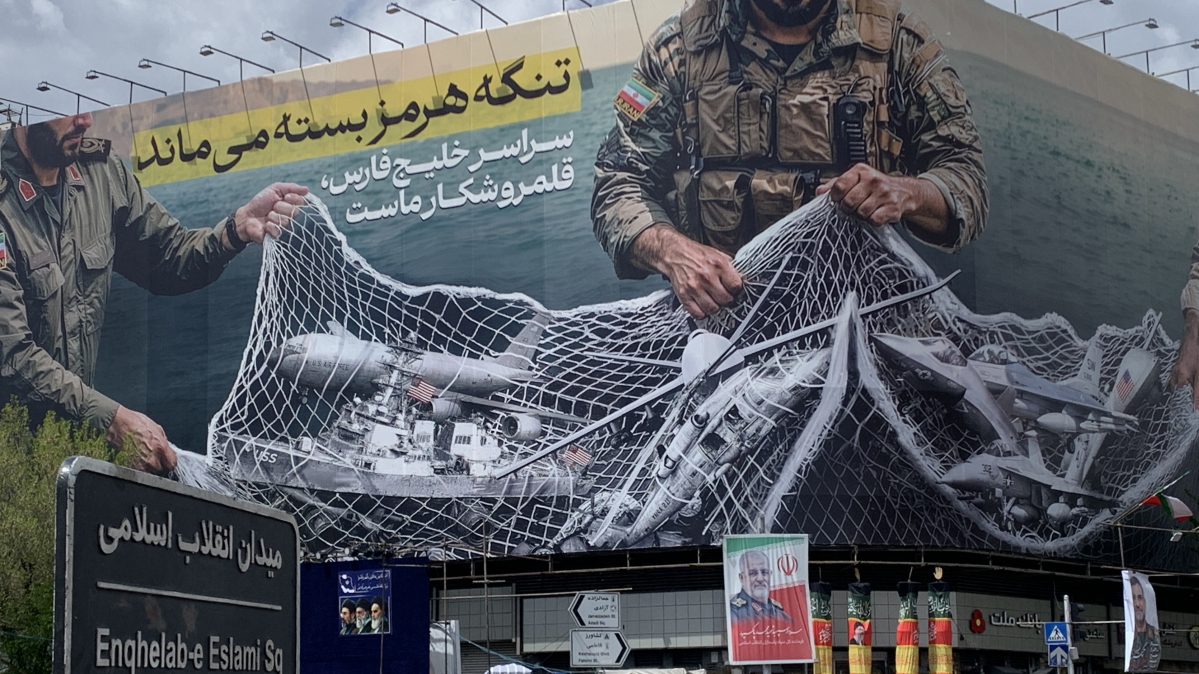
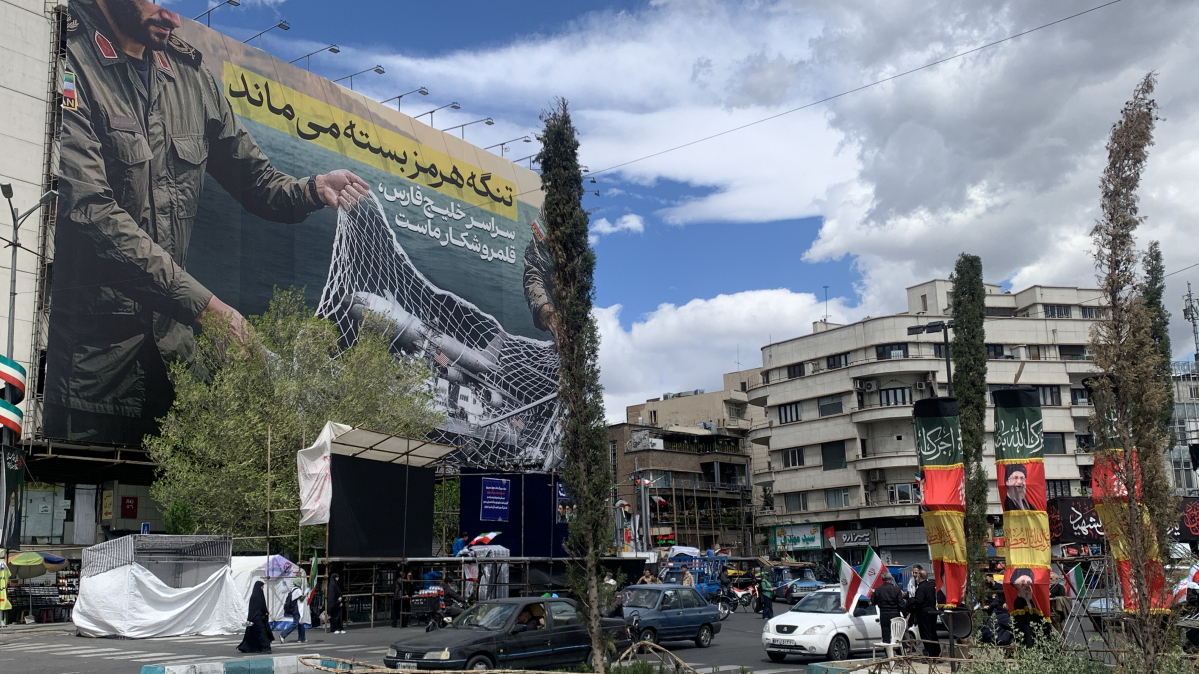
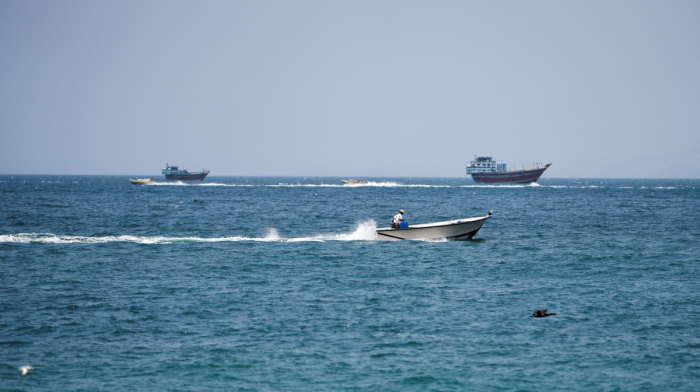
The conflict has now entered its sixth week, with Iran maintaining control over the Strait of Hormuz while rejecting U.S. President Trump’s threats.
Deputy Foreign Minister for Legal Affairs Kazem Gharibabadi said on Sunday that Iranian and Omani delegations held an online meeting to discuss the secure transit of vessels through the strategic waterway.
“The delegates stressed the exclusive role of Iran and Oman as littoral states of the Strait of Hormuz and agreed to continue exchanging views in this regard,” IRNA quoted him as saying.













What is your opinion on this topic?
Leave the first comment