Pakistan offered to host talks between Iran and the U.S. to bring about an end to the Middle East conflict on Tuesday (24 March), as U.S. President Donald Trump repeated that Washington was speaking to Tehran, despite the White House downplaying earlier comments by Trump saying the same thing.
Peace talks confusion
After U.S. President Donald Trump said Iran and the U.S. had discussed an end to hostilities in a post on Truth Social on Monday (23 March), White House Press Secretary Karoline Leavitt downplayed the statement at a media briefing.
"This is a fluid situation, and speculation about meetings should not be deemed as final until they are formally announced by the White House,” she said.
Later on Tuesday, Trump again said that talks were taking place between Iran and the U.S., telling reporters that Washington was speaking to "the right people" in Tehran.
Iran also denied any negotiations were taking place and Qatar confirmed it wasn’t acting as a mediator in any talks.
Meanwhile, Pakistan emerged as a potential mediating force if any future talks happen. Pakistani Prime Minister Shehbaz Sharif said the country was “ready” to host or facilitate negotiations to bring about the end of the conflict.
Lebanon expels Iranian Ambassador
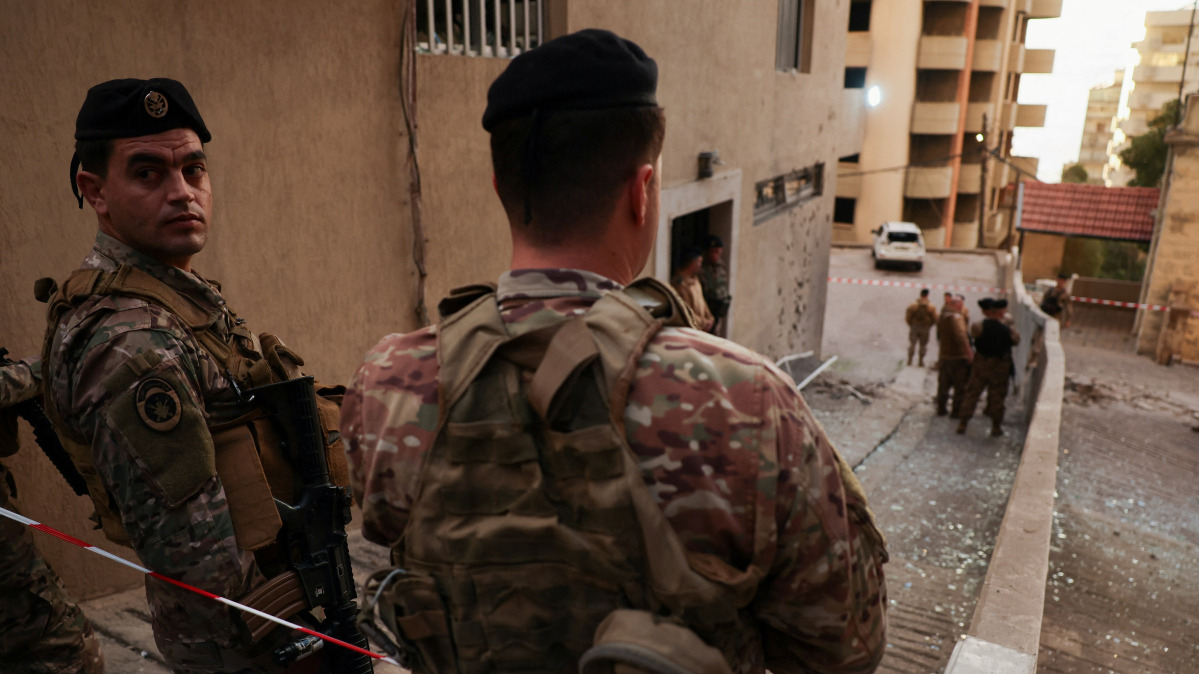
Beirut’s Ministry of Foreign Affairs said it had ordered the Iranian Ambassador Mohammad Reza Sheibani to leave the country by Sunday (29 March), after declaring him persona non grata.
It accused Sheibani of interfering in internal affairs by criticising decisions made by the Lebanese government and holding meetings with “unofficial Lebanese parties.” It didn’t say who those parties were.
The Ministry said that Sheibani had violated the Vienna Convention on Diplomatic Relations through his actions.
The development came as Lebanese Shia Islamist group Hezbollah vowed to fight any attempt by Israel to occupy the south of the country, calling it an "existential threat” to Lebanon as a state.
Deaths reported after Iranian strikes
The United Arab Emirates (UAE) confirmed that a Moroccan civilian contractor had died in an Iranian attack in Bahrain. Another five UAE military personnel were also injured in the attack, as well as a number of troops from Bahrain, according to the UAE’s Foreign Ministry.
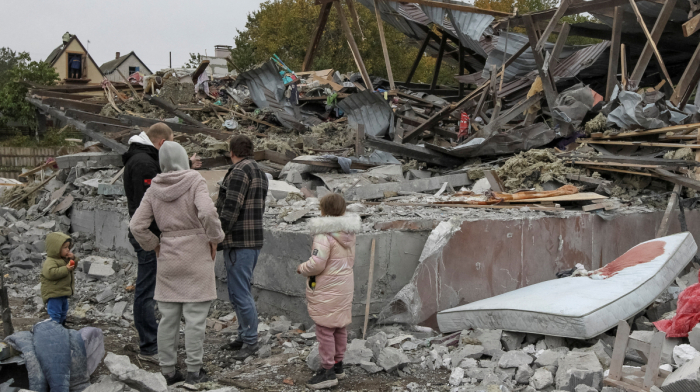
Elsewhere, the President of Iraq’s Kurdistan region said six people were killed in an Iranian rocket attack on a military base north of the city of Erbil. Nechirvan Barzani said 30 others were wounded in the attack early on Tuesday.
Ripple effects continue to spread across globe
The President of the Philippines declared a national emergency as a result of what he called an “imminent danger” to the country’s energy supply from the Middle East conflict. Ferdinand Marcos Jr said an emergency committee had been formed to ensure the supply and distribution of fuel, food, medicines, agricultural products and other essential goods.
Meanwhile, beer brewers in India warned of price rises, due to a shortage of gas. As the world's fourth-largest importer of natural gas, India is especially vulnerable to fuel availability and relies heavily on the Middle East for shipments, sourcing about 40% of its supply from Qatar.
In Kenya, the head of an association representing independent retailers, said hundreds of outlets were running out of fuel due to the Iran conflict.











What is your opinion on this topic?
Leave the first comment