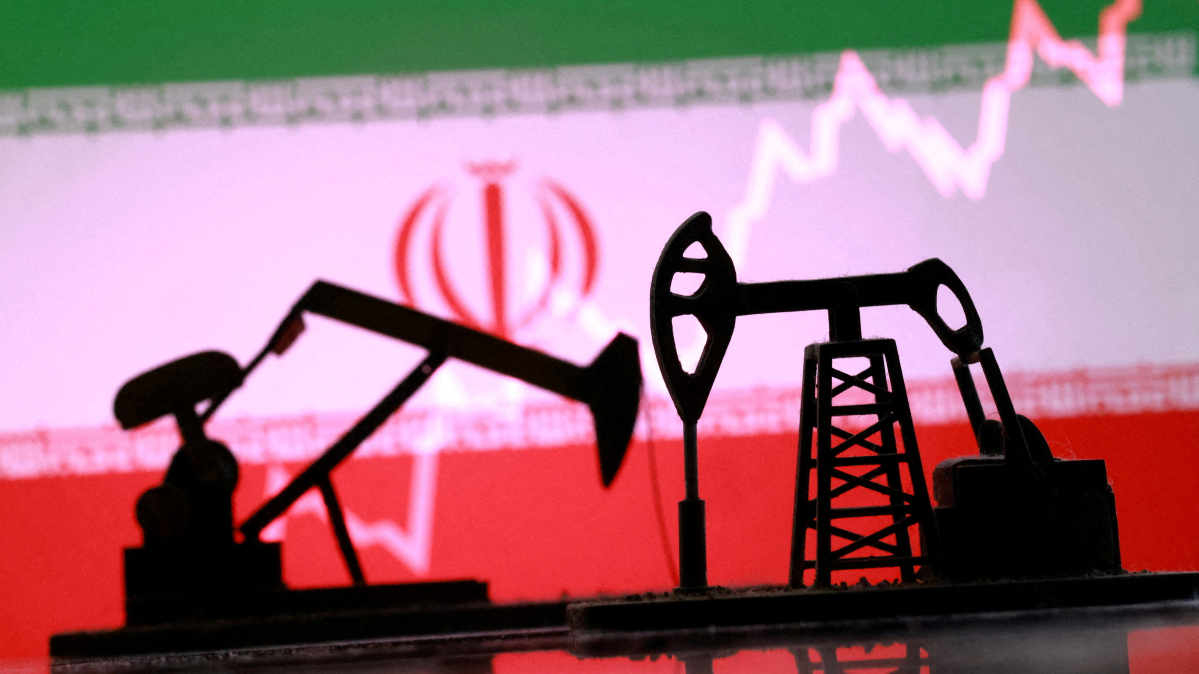
The Trump administration has waived sanctions on the purchase of Iranian oil at sea for 30 days on Friday (20 March) in its latest attempt to ease oil prices that have been driven up by the U.S.-Israeli war with Iran.
The waiver will bring some 140 million barrels of oil to global markets and help relieve pressure on energy supplies, Treasury Secretary Scott Bessent said in a post on X.
The move reflects White House concerns that the surge in oil prices after nearly three weeks of U.S. and Israeli strikes on Iran will hurt U.S. businesses and consumers ahead of the November midterm elections.
Third sanctions waiver during Iran war
The licence, published on the Treasury Department's website after market hours, allows Iranian oil to be imported into the United States under the waiver when necessary to complete its sale or delivery.
The U.S. has not significantly imported Iranian oil since Washington imposed measures after the 1979 revolution. It was unclear whether any Iranian oil would end up in the country as a result of the waiver.
Cuba, North Korea and Crimea are among the regions excluded from the licence, which will remain in effect until 19 April.
The move is expected to benefit China, the largest buyer of Iranian oil. Energy Secretary Chris Wright said supplies could reach Asia within three or four days and enter the market after being refined over the coming month and a half.
It was the third time the Treasury Department has temporarily waived sanctions on oil from U.S. adversaries in just over two weeks. The moves are part of the administration's efforts to curb energy prices that have soared above $100 a barrel to the highest levels since 2022.
The U.S. previously eased sanctions on Russian oil and on Friday issued a general licence allowing the sale of Iranian crude oil and petroleum products already loaded onto vessels.
"In essence, we will be using the Iranian barrels against Tehran to keep the price down as we continue Operation Epic Fury," Bessent said.
Bessent had earlier indicated the move in an interview with Fox Business on Thursday, saying the release of the sanctioned Iranian oil into global supplies would help keep oil prices down for 10 to 14 days.
Running out of options
Oil prices have risen by around 50% since the U.S. and Israel launched their attacks on 28 February. Tehran has responded with attacks on Israel and Gulf states that host U.S. bases.
Vital energy infrastructure in Iran and neighbouring Gulf states has been attacked, and Iran has effectively closed the Strait of Hormuz, a route for about 20% of the world's oil and liquefied natural gas.
In its effort to tame oil prices, the Trump administration on Wednesday announced a 60-day waiver of the Jones Act shipping law, temporarily allowing foreign-flagged vessels to move fuel, fertiliser and other goods between U.S. ports.





















What is your opinion on this topic?
Leave the first comment