Trump lashes out at Netanyahu as Israel and Hezbollah move towards halt in attacks
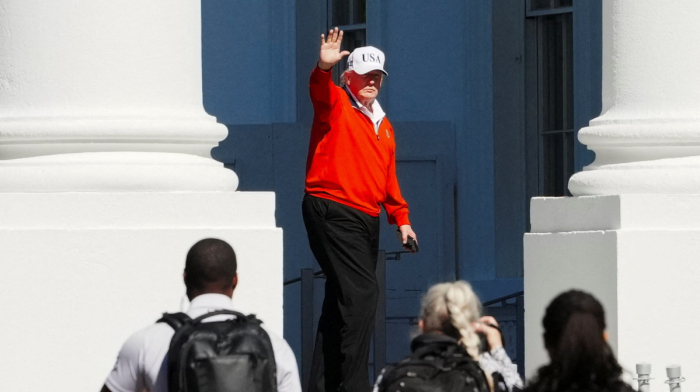
Trump reportedly lashed out at Netanyahu on Monday over Israel's escalation in Lebanon, describing the Israeli leader as "crazy" and warning that furt...
Tensions in the Middle East are continuing to escalate as Iran and U.S.-backed Israeli forces exchange strikes for a sixth consecutive day, with Tehran reporting mounting civilian casualties and warning it is prepared for a prolonged war.
AnewZ was granted access to the site of buildings destroyed in Israeli–U.S. air strikes on Tehran, although ongoing attacks in the area prevented journalists from reaching the exact location of the blast.
The conflict entered its sixth day on Thursday, with both sides intensifying their exchange of attacks - both militarily and in their rhetoric.
Iran’s security chief, Ali Larijani, claimed that Iranian strikes had killed 500 U.S. troops. Speaking in Tehran, he said the Islamic Republic was prepared for a prolonged conflict.
“Unlike the United States, Iran is ready to fight a long war,” he said, warning that Tehran would continue its military response.
Meanwhile, the Iranian Martyrs Foundation said civilian casualties had surpassed 1,000 since the start of the conflict. According to the organisation, around 200 of those killed were schoolgirls who died when their school building was bombed earlier in the week.
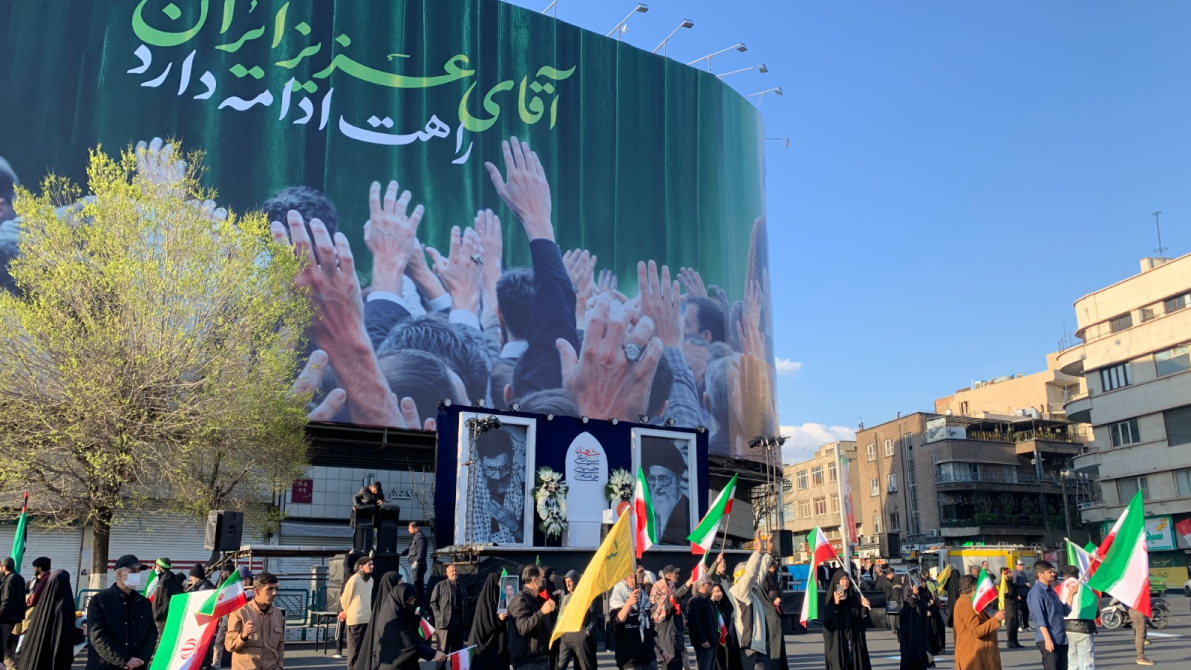
The escalation came as Iran prepared for the burial of the country’s Supreme Leader, Ali Khamenei, who was killed last Saturday on the first day of the war. Authorities said funeral preparations were under way in Tehran.
At the same time, Iran’s provisional leadership council continued meetings to determine the procedures for a national vote that will help shape the country’s political leadership in the aftermath of the attack.
President Masoud Pezeshkian, one of three members of the interim council, also issued a message to leaders of regional countries that host U.S. military bases.
In the statement, he said Tehran respected the sovereignty of those nations but insisted Iran had been forced to respond.
“Iran had no option but to retaliate in self-defence after it was attacked from these bases,” the president said.
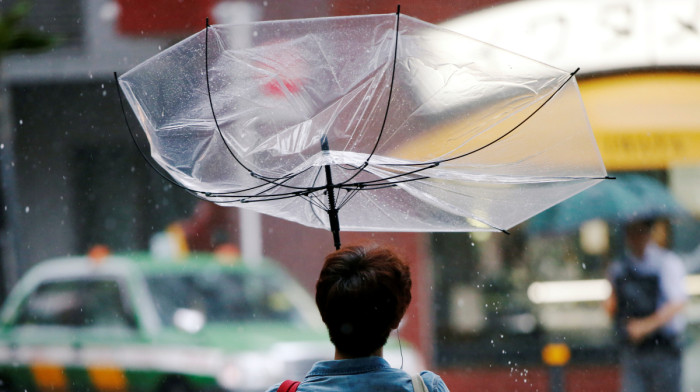
Okinawa lost transport links and suffered widespread power outages on Monday (1 June) as Severe Tropical Storm Jangmi brought destructive winds and heavy rain to Japan's south-western islands.
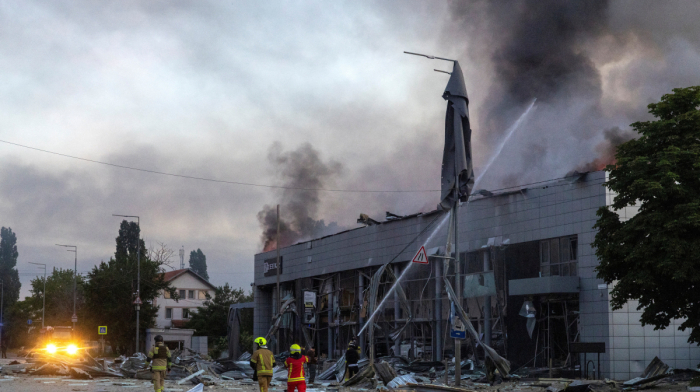
Competing narratives continue to shape perceptions of the war in Ukraine, with Russian leadership suggesting a possible end phase while Ukrainian officials warn of renewed large-scale attacks and ongoing escalation risks.
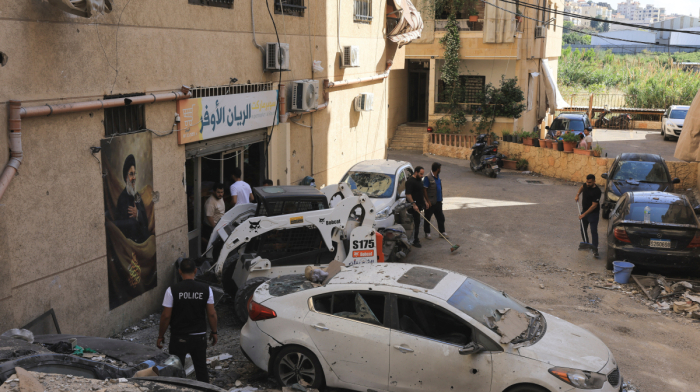
U.S. Secretary of State Marco Rubio has held talks with Lebanese President and Israeli Prime Minister on efforts to ease tensions between Israel and Lebanon. According to a U.S. official, Washington has proposed a plan aimed at achieving a gradual de-escalation of hostilities.
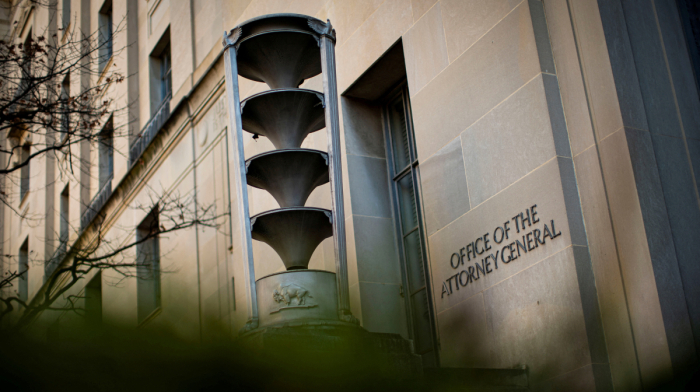
Unsealed records from the U.S. Department of Justice have renewed scrutiny of lawyer Robert Amsterdam after documents revealed communications between his law firm and Jeffrey Epstein's office. The disclosures have drawn attention because of Amsterdam's prominent role in Armenia.
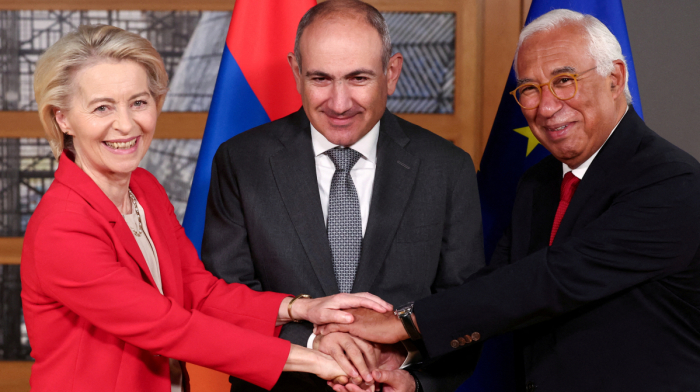
When Armenians vote on 7 June, they will be voting in an election shaped by months of political change and a rapidly deepening relationship with the European Union. The result may not only determine who governs Armenia but also the future direction of the country's geopolitical alignment.
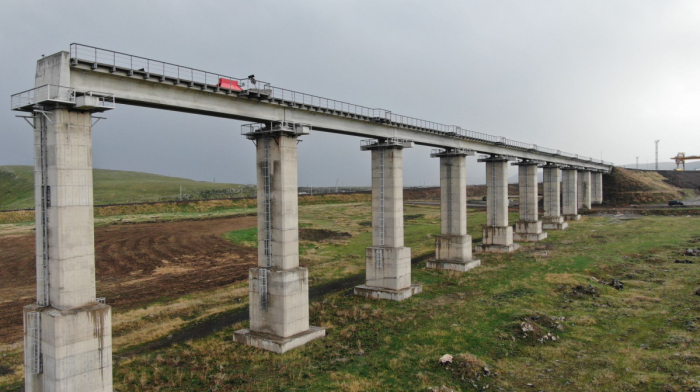
A launch ceremony marking the commissioning of the modernised Baku-Tbilisi-Kars (BTK) railway line was held at Akhalkalaki station in Georgia on 2 June, bringing together senior officials from Azerbaijan, Georgia and Türkiye.
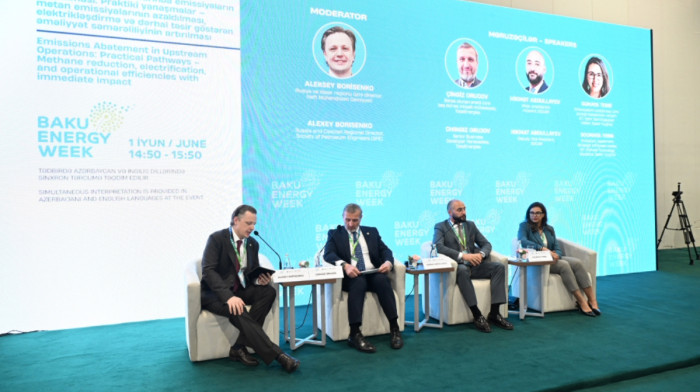
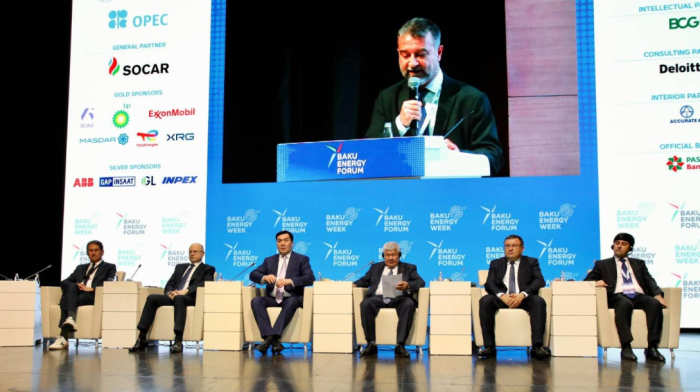
Baku Energy Week has opened in Azerbaijan, bringing together global energy leaders to discuss energy security, green energy and regional cooperation, underscoring the country's growing strategic role in Eurasian connectivity.
When Armenians vote on 7 June, they will be voting in an election shaped by months of political change and a rapidly deepening relationship with the European Union. The result may not only determine who governs Armenia but also the future direction of the country's geopolitical alignment.
Kazakhstan is open to expanding its oil export routes through Azerbaijan and advancing joint energy infrastructure projects across the Caspian region, Energy Minister Yerlan Akkenzhenov told AnewZ in an exclusive interview in Baku.
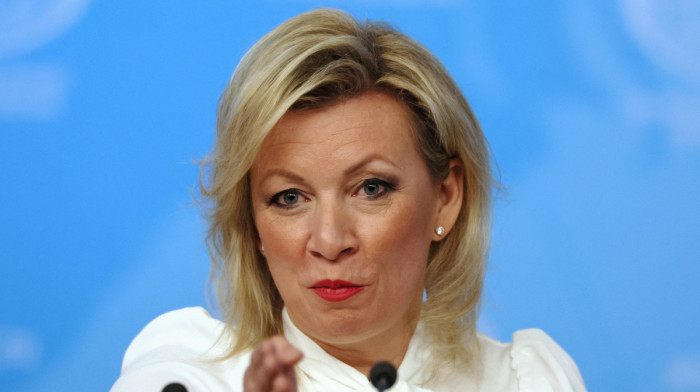
Russia's Foreign Ministry spokeswoman Maria Zakharova praised Georgia for resisting Western pressure (30 May), defending its national interests and pursuing a "multi-vector foreign policy" - language that closely mirrors the rhetoric of the ruling Georgian Dream party.
You can download the AnewZ application from Play Store and the App Store.
What is your opinion on this topic?
Leave the first comment