Baku Energy Week drives $7.5bn in deals and global energy cooperation
Baku has once again become a focal point for international energy diplomacy, investment and strategic cooperation, as Baku Energy Week brings together...
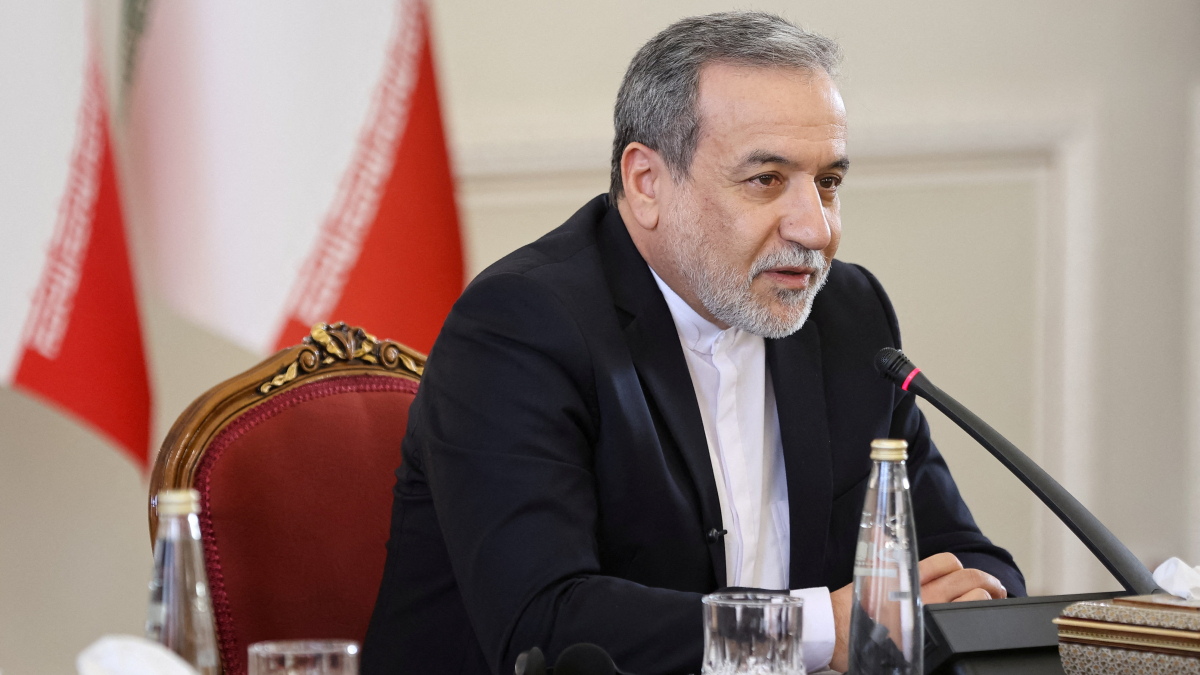
Iran has denounced the U.S. detention of Venezuelan President Nicolás Maduro, describing the operation as an ‘abduction’ and calling for his immediate release.
Iranian Foreign Minister Abbas Araghchi discussed the issue in separate phone calls on Monday with his Brazilian and Cuban counterparts, according to a statement from Iran’s Foreign Ministry.
During talks with Brazilian Foreign Minister Mauro Vieira, Araghchi said the U.S. military operation in Venezuela amounted to a "gross violation" of the UN Charter and fundamental principles of international law.
He warned that unilateral actions by Washington risked undermining the international legal order and could have serious consequences for global stability.
In a separate call with Cuban Foreign Minister Bruno Rodríguez Parrilla, Araghchi said all governments and the United Nations had a responsibility to oppose what he described as clear breaches of international law.
Iran’s Foreign Ministry said Araghchi also spoke on Sunday with his Venezuelan counterpart, Yván Gil Pinto, reiterating Tehran’s support for the Venezuelan government and people.
The ministry said Iran viewed the detention of Maduro and his wife, Cilia Flores, as unlawful and called for their release in line with the will of Venezuelan authorities and the population.
Iranian Foreign Ministry spokesman Esmaeil Baghaei told a weekly press conference in Tehran that "the abduction of a country’s president and his spouse is by no means something to take pride in", adding that the U.S. had acted unlawfully.
At an emergency meeting of the United Nations Security Council in New York, Iran’s ambassador to the UN, Amir-Saeid Iravani, said the detention constituted a serious violation of international law and an attack on the principle of state sovereignty.
He warned that continued inaction by the Security Council could encourage further unlawful conduct and pose a threat to regional and international peace and security.

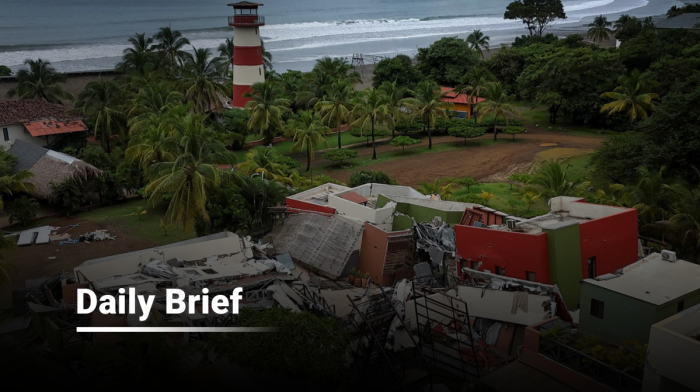
Okinawa lost transport links and suffered widespread power outages on Monday (1 June) as Severe Tropical Storm Jangmi brought destructive winds and heavy rain to Japan's south-western islands.
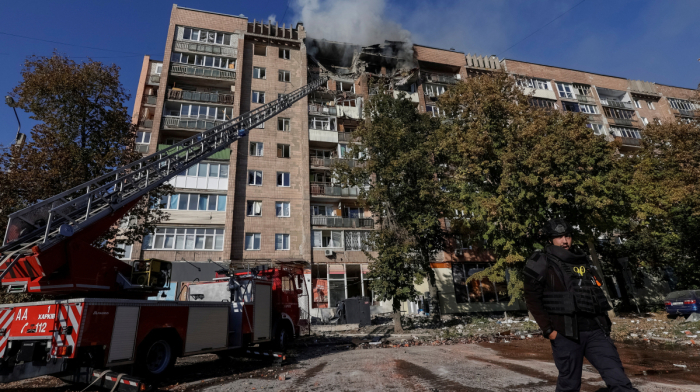
Competing narratives continue to shape perceptions of the war in Ukraine, with Russian leadership suggesting a possible end phase while Ukrainian officials warn of renewed large-scale attacks and ongoing escalation risks.
U.S. Secretary of State Marco Rubio has held talks with Lebanese President and Israeli Prime Minister on efforts to ease tensions between Israel and Lebanon. According to a U.S. official, Washington has proposed a plan aimed at achieving a gradual de-escalation of hostilities.
Unsealed records from the U.S. Department of Justice have renewed scrutiny of lawyer Robert Amsterdam after documents revealed communications between his law firm and Jeffrey Epstein's office. The disclosures have drawn attention because of Amsterdam's prominent role in Armenia.
When Armenians vote on 7 June, they will be voting in an election shaped by months of political change and a rapidly deepening relationship with the European Union. The result may not only determine who governs Armenia but also the future direction of the country's geopolitical alignment.
Baku has once again become a focal point for international energy diplomacy, investment and strategic cooperation, as Baku Energy Week brings together policymakers, industry leaders and investors from around the world.
A launch ceremony marking the commissioning of the modernised Baku-Tbilisi-Kars (BTK) railway line was held at Akhalkalaki station in Georgia on 2 June, bringing together senior officials from Azerbaijan, Georgia and Türkiye.
Baku Energy Week has opened in Azerbaijan, bringing together global energy leaders to discuss energy security, green energy and regional cooperation, underscoring the country's growing strategic role in Eurasian connectivity.
When Armenians vote on 7 June, they will be voting in an election shaped by months of political change and a rapidly deepening relationship with the European Union. The result may not only determine who governs Armenia but also the future direction of the country's geopolitical alignment.
Kazakhstan is open to expanding its oil export routes through Azerbaijan and advancing joint energy infrastructure projects across the Caspian region, Energy Minister Yerlan Akkenzhenov told AnewZ in an exclusive interview in Baku.
You can download the AnewZ application from Play Store and the App Store.
What is your opinion on this topic?
Leave the first comment