live Iran-U.S.-Israel tensions rise after strikes and threats of retaliation- 31 March
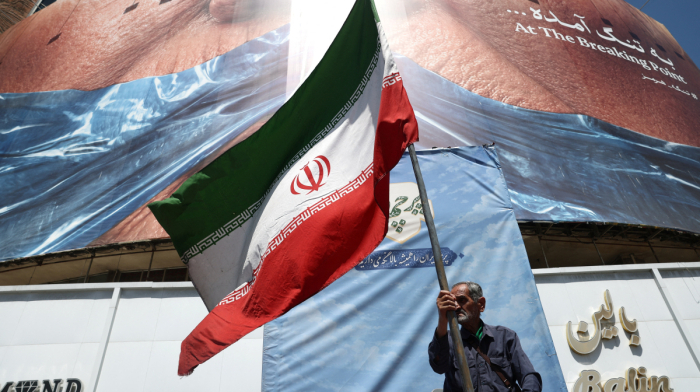
The Iran-U.S.-Israel conflict is intensifying, with fresh strikes near Tehran, European calls for restraint, and Iran threatening to target U.S. fi...
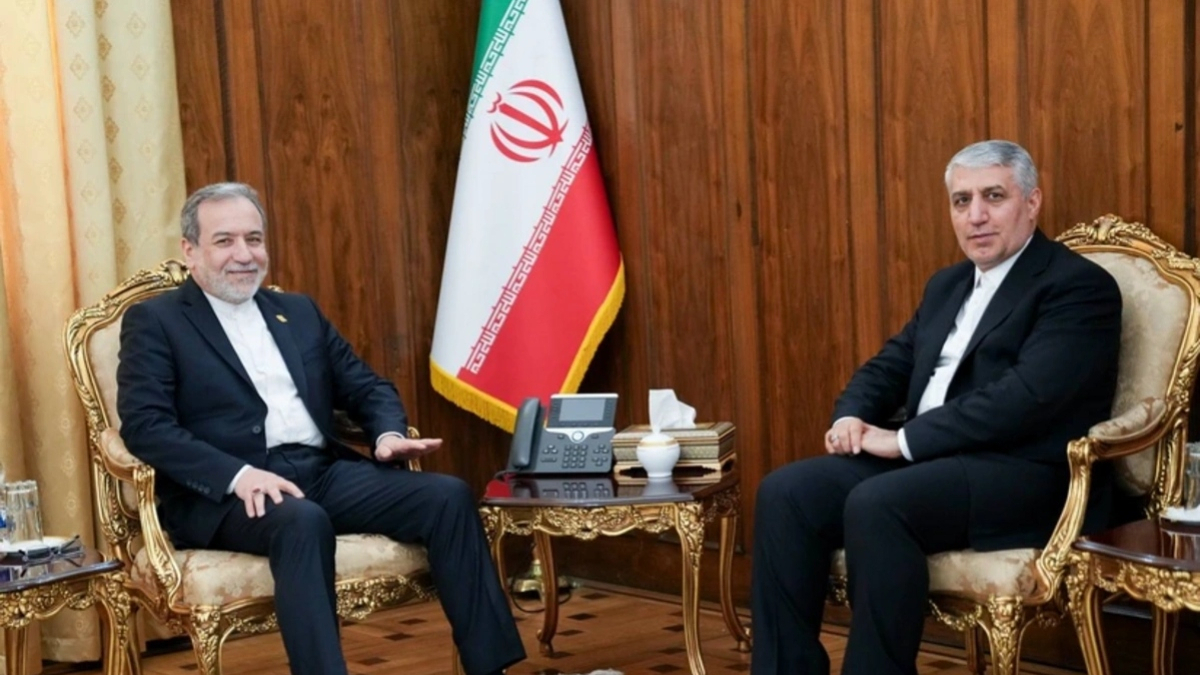
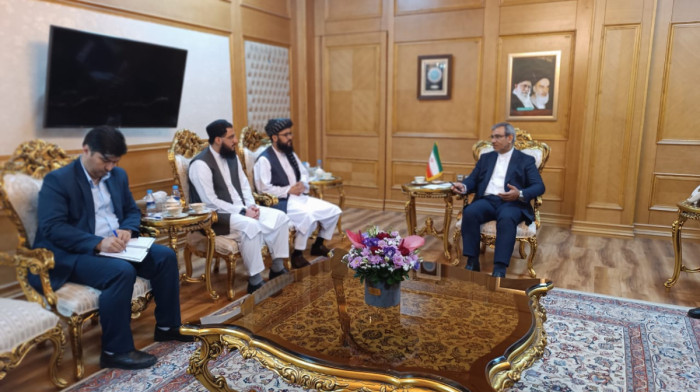
Iran’s Foreign Minister Abbas Araghchi has stressed the need to expand comprehensive relations between Tehran and Baku, describing his visit to Azerbaijan last December as “constructive”.
Araghchi made the remarks during a meeting in Tehran on Sunday with Iran’s ambassador to Baku, Mojtaba Damirchilu, where he also reiterated the importance of broadening consultations with Azerbaijan.
According to a statement from Iran’s Foreign Ministry, Ambassador Damirchilu presented a detailed report on the state of bilateral relations following Araghchi’s visit to Baku on 7 December.
“Foreign Minister Araghchi welcomed the expansion of consultations with the Republic of Azerbaijan in the economic, transit, political, cultural and humanitarian fields,” the statement said.
He also emphasised the need to advance a good-neighbourly policy through the continued strengthening and development of comprehensive ties.
During his visit to Baku, Araghchi held talks with President Ilham Aliyev and other senior Azerbaijani officials, exchanging views on key bilateral issues and regional developments.
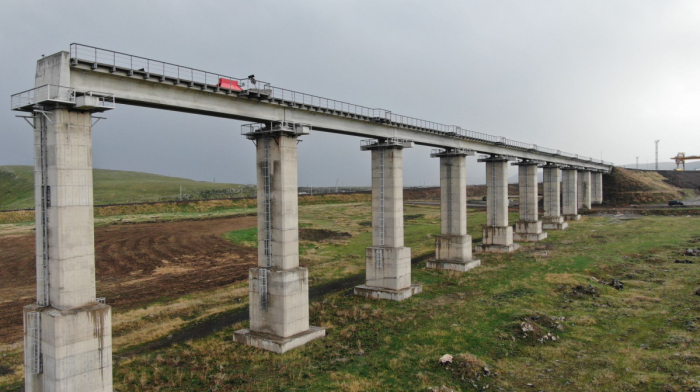
Separately, Iran’s President Masoud Pezeshkian said last week that work on the Astara–Rasht railway link connecting Iran and Azerbaijan was progressing, with the government having acquired 115 kilometres of the 160-kilometre route.
The project forms part of the International North–South Transport Corridor (INSTC).
The route, which will connect railway networks in Iran, Azerbaijan, Russia and India, includes 56 bridges and 35 overpasses.
Pezeshkian said technical teams were currently working on the project, describing the Astara–Rasht line as the missing link in the 7,200-kilometre corridor.
Iran has also voiced support for last year’s peace deal between Baku and Yerevan, saying it backs efforts to strengthen security in the South Caucasus and promote peaceful relations between Azerbaijan and Armenia.
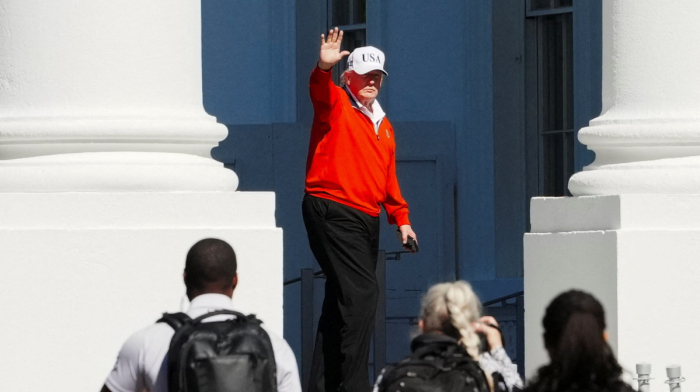
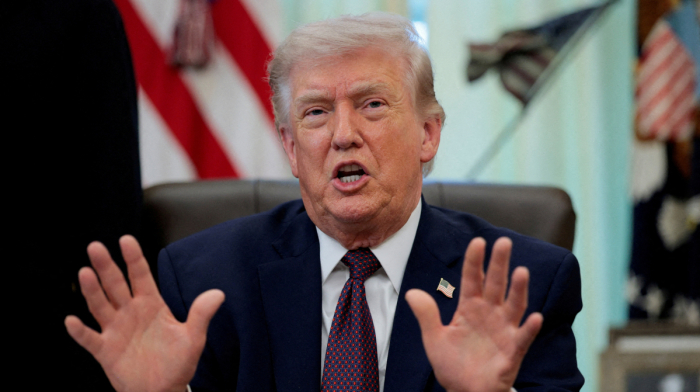
U.S. President Donald Trump has said that the U.S is in talks with the new Iranian regime. He said this in a post on his Truth Social account but warned that the U.S. will "Obliterate" Iran's electric and oil facilities if no deal is reached, especially regarding the Strait of Hormuz closure.
NASA is aiming to launch its Artemis 2 mission on Wednesday (1 April), sending astronauts on a 10-day journey around the Moon, officials confirmed. According to the Space Administration, the launch window is due to open at 23:24 GMT, with additional opportunities to 6 April if delays occur.
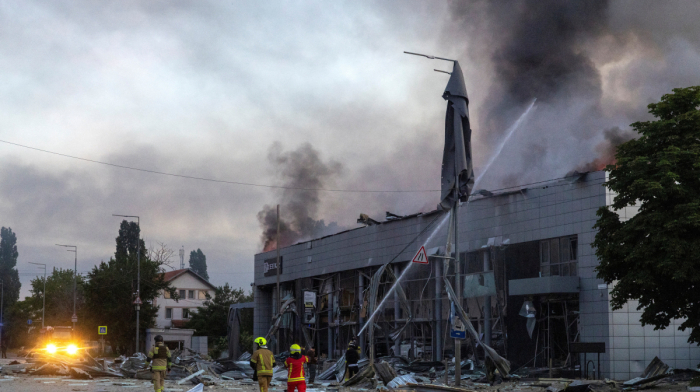
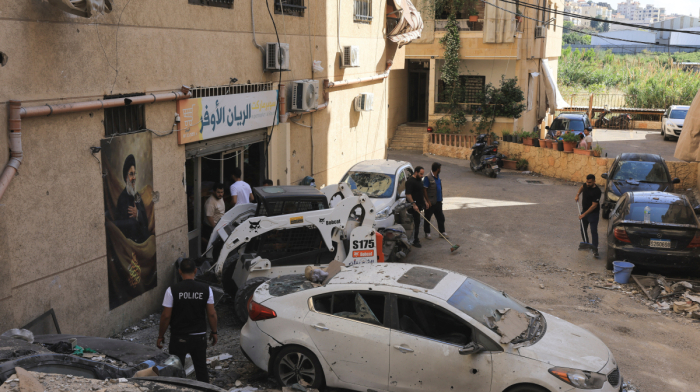
The Iran-U.S.-Israel conflict is intensifying, with fresh strikes near Tehran, European calls for restraint, and Iran threatening to target U.S. firms in the region, raising fears of a broader escalation across the Middle East.
The war in Iran has rapidly upended regional security, triggering spillover across the Middle East and raising fears of wider economic disruption that could threaten globalisation.
The Israeli military said on Monday that Iran launched multiple waves of missiles at Israel, and an attack had also been launched from Yemen for the second time since the U.S.-Israeli war began on Tehran. It said two drones from Yemen were intercepted early 30 March but gave no further details.
Afghanistan’s Ministry of Mines and Petroleum says around 25 kilometres of the TAPI gas pipeline have been laid in Herat province, as work continues on one of the region’s largest energy projects.
Three Armenian citizens have been charged following an alleged attempt to attack Prime Minister Nikol Pashinyan at St Anna Cathedral in Yerevan on 29 March. Analysts say the incident reflects rising tensions between the government and the Church ahead of upcoming elections.
A man previously convicted of spying on Türkiye has been arrested by Turkish and Syrian authorities after more than a decade on the run, Turkish security sources said on Monday.
Uzbekistan is hosting the fifth-anniversary Space Technology Conference - Central Eurasia (STC 2026), bringing together more than 400 delegates, 24 sponsors and representatives from 32 countries to discuss the region’s space industry and expand international cooperation.
Kazakhstan remains among the least dependent countries in Central Asia on Chinese capital, maintaining a diversified external debt structure and greater financial flexibility than its regional peers.
You can download the AnewZ application from Play Store and the App Store.
What is your opinion on this topic?
Leave the first comment