The hackers' activities tracked by Reuters provide a rare glimpse into the operations of an election interference effort
The accused Iranian hacking group who intercepted Republican U.S. presidential candidate Donald Trump's campaign emails have finally found some success in getting their stolen material published after initially failing to interest the mainstream media.
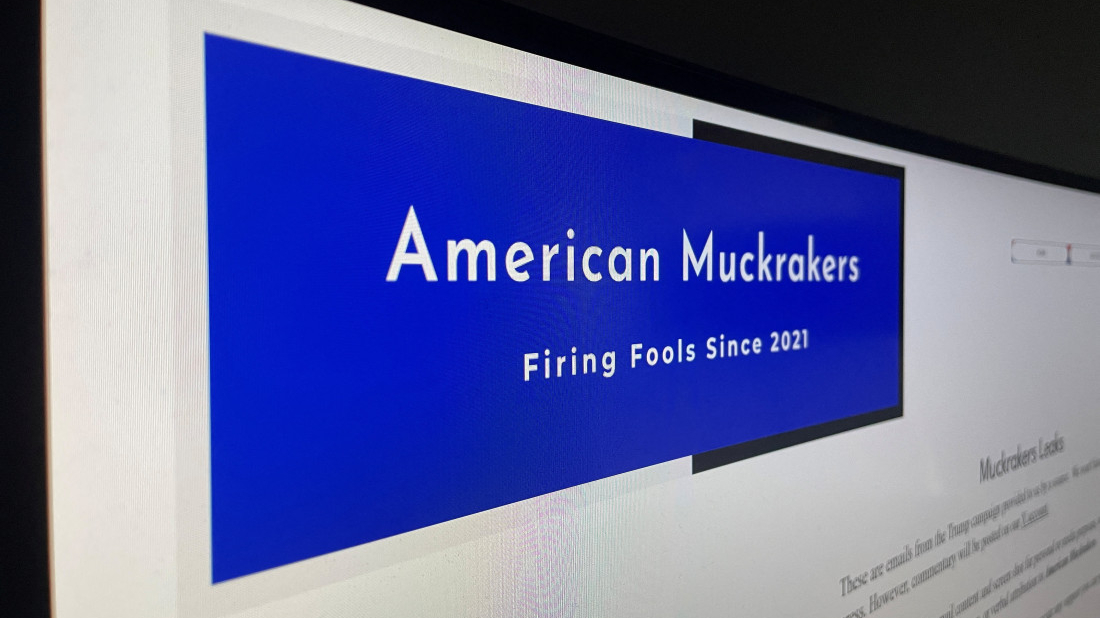
In recent weeks, the hackers began peddling Trump emails more widely to one Democratic political operative, who has posted a trove of material to the website of his political action committee, American Muckrakers, and to independent journalists, at least one of whom posted them on the writing platform Substack. The latest material shows Trump campaign communications with external advisers and other allies, discussing a range of topics leading up to the 2024 election.
The hackers' activities tracked by Reuters provide a rare glimpse into the operations of an election interference effort. They also demonstrate Iran remains determined to meddle in elections despite a September U.S. Justice Department indictment accusing the leakers of working for Tehran and using a fake persona.
The indictment alleged that an Iranian-government linked hacking group, known as Mint Sandstorm or APT42, compromised multiple Trump campaign staffers between May and June by stealing their passwords. In a Homeland Security advisory published earlier this month, the agency warned that the hackers continue to target campaign staff. If found guilty, they face prison time and fines.
The Department of Justice indictment said the leakers were three Iranian hackers working with Iran’s Basij paramilitary force whose voluntary members help the regime to enforce its strict rules and to project influence. Attempts to reach the hackers identified by name in the indictment via email and text message were unsuccessful.
In conversations with Reuters, the leakers - who collectively use the fake persona "Robert" - did not directly address the U.S. allegations, with one saying “Do you really expect me to answer?!”
"Robert" is the same fake persona referred to in the U.S. indictment, according to FBI emails sent to journalists and reviewed by Reuters.
Iran's mission to the United Nations said in a statement that reports of the country's involvement in hacking against the U.S. election were "fundamentally unfounded, and wholly inadmissible," adding that it "categorically repudiates such accusations." The FBI, which is investigating Iran’s hacking activity against both presidential campaigns in this election, declined to comment.
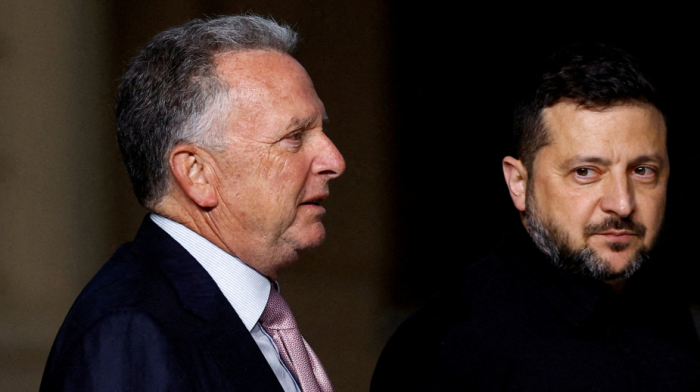
David Wheeler, the founder of American Muckrakers, said the documents he shared were authentic and in the public interest. Wheeler said his goal was to “expose how desperate the Trump campaign is to try to win" and to provide the public with factual information. He declined to discuss the material's origin.
Without making any specific references, the Trump campaign said earlier this month that Iran's hacking operation was “intended to interfere with the 2024 election and sow chaos throughout our democratic process,” adding any journalists reprinting the stolen documents “are doing the bidding of America’s enemies.”
LEAK OPERATION
The leak operation started around July when an anonymous email account, noswamp@aol.com, began communicating with reporters at several media outlets, using the Robert moniker, according to two people familiar with the matter. They initially contacted Politico, the Washington Post and the New York Times, promising damning internal information about the Trump campaign.
In early September, the accused Iranian hackers used a second email address, bobibobi.007@aol.com, in a fresh round of overtures, including to Reuters and at least two other news outlets, the two people familiar with the matter, said.
At the time, they offered research compiled with public information by the Trump campaign into Republican politicians JD Vance, Marco Rubio and Doug Burgum, all of whom were under consideration as Trump’s running mate.
The vice presidential reports were authentic, a person familiar with the Trump campaign told Reuters. Neither Politico, the Washington Post, the New York Times, nor Reuters published stories based on the reports.
New York Times spokesperson Danielle Rhoades Ha, said the newspaper only published articles based on hacked material “if we find newsworthy information in the materials and can verify them.”
In an email, the Washington Post referred Reuters to past comments made by its executive editor, Matt Murray, who said the episode reflected the fact that news organizations "aren’t going to snap at any hack" provided to them. A spokesperson for Politico said the origin of the documents was more newsworthy than the leaked material. Reuters did not publish this material because the news agency did not believe it was newsworthy, a spokesperson said.
Both AOL email accounts identified by Reuters were taken offline in September by its owner Yahoo, which worked with the FBI before the indictment to trace them to the Iranian hacker group, according to two people familiar with the investigation. Yahoo did not respond to a request for comment.
Before losing email access, Robert suggested reporters might need an alternate contact and offered a telephone number on the encrypted chat application Signal. Signal, which is more difficult to monitor by law enforcement, did not return messages seeking comment.
Some senior U.S. intelligence and law enforcement officials have said that Iran's interference efforts this election cycle are focused on denigrating Trump as they hold him responsible for the 2020 American drone assassination of former Iranian military general Qassem Soleimani.
Thus far, the already-published leaks do not appear to have changed the public dynamics of the Trump campaign.
MUCKRAKERS
On Sept. 26, North Carolina-based American Muckrakers, began publishing internal Trump campaign emails. Active since 2021, the PAC has a history of publicizing unflattering material about high-profile Republicans. According to public disclosure reports, it is funded through individual, small-dollar donors from around the country.
On its website, American Muckrakers said the leaks came from “a source,” but, ahead of the publication last month, the group publicly asked Robert to get in touch. “HACKER ROBERT, WHY THE F DO YOU KEEP SENDING THE TRUMP INFORMATION TO CORPORATE MEDIA?” the group said in a post to X. “Send it to us and we'll get it out.”
When asked whether his source was the alleged Iranian persona Robert, Wheeler said “that is confidential” and that he had “no confirmation of the source's location.” He also declined to comment on whether the FBI had warned him that the communication was the product of a foreign influence operation.
In one example, Muckrakers published material on Oct. 4th purporting to show an unspecified financial arrangement with lawyers representing former Presidential candidate Robert F. Kennedy Jr. and Trump. RFK Jr. attorney Scott Street, said in an email to Reuters he could not speak publicly about the incident. Reuters confirmed the authenticity of the material.
Muckrakers subsequently published documents from Robert about two high-profile races. It included alleged campaign communication about North Carolina Republican gubernatorial candidate Mark Robinson and Florida Republican representative Anna Paulina Luna, both of whom were endorsed by Trump.
The exchange about Robinson concerned an attempt by Republican adviser W. Kirk Bell, to seek guidance from the Trump camp after the scandal over comments attributed to Robinson on a pornographic forum. Robinson has previously denied the comments. The other message came from a Republican adviser sharing information with the campaign about Luna's personal life.
Robinson and Luna’s campaigns did not return messages seeking comment.
One of the few journalists contacted by Robert who did publish material was independent national security reporter Ken Klippenstein, who posted the vice presidential research documents to Substack late last month. Robert confirmed to Reuters that they gave the material to Klippenstein.
Substack did not respond to a question about its policies concerning hacked material.
After the story, Klippenstein said FBI agents contacted him over his communication with Robert, warning that they were part of a “foreign malign influence operation.” In a post, Klippenstein said the material was newsworthy and he chose to publish it because he believed the news media should not be a "gatekeeper of what the public should know."
A spokesperson for Reuters, which received similar notifications from the FBI, said, "We cannot comment on our interactions, if any, with law enforcement." An FBI spokesperson declined to comment on its media notification effort.
Wheeler said he had new leaks in store “soon” and that he would continue to publish similar documents as long as they were “authentic and relevant.”













What is your opinion on this topic?
Leave the first comment