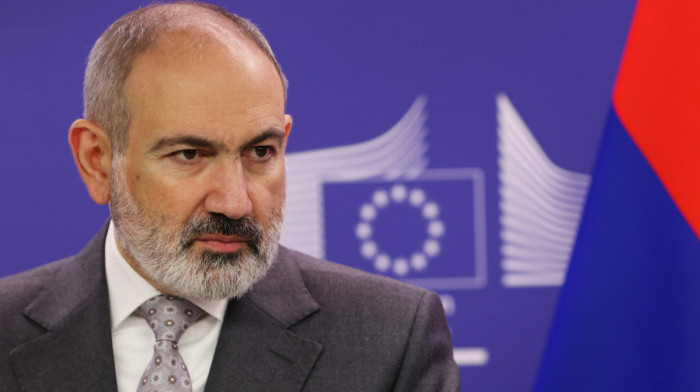
Upcoming vote puts Armenia's European future to the test
When Armenians vote on 7 June, they will be voting in an election shaped by months of political change and a rapidly deepening relationship with the E...
The Iranian government has announced plans to build nuclear power plants using domestic industrial capacity in conjunction with Russia.
This comes as the UN Security Council met in New York to discuss the possible reimposition of international sanctions linked to Tehran’s nuclear programme.
Behrouz Kamalvandi, spokesman for the Atomic Energy Organization of Iran (AEOI), said the country aimed to develop its own nuclear power plants alongside existing cooperation with Russia.
"We are looking to have our own power plants," Kamalvandi said in an interview with the Labour News Agency (ILNA), adding that Iran was working towards producing domestically built facilities.
Iran currently cooperates with Moscow on nuclear energy projects, including the Bushehr power plant, its first nuclear facility, which has been connected to the national grid since 2012 under an agreement with Rosatom.
Rosatom took over the Bushehr project after Germany’s Siemens withdrew from its 1974 contract following Iran’s 1979 Islamic Revolution.
Kamalvandi said two additional nuclear power plants were under construction with Russia and had made what he described as satisfactory progress. He added that Iran was also planning further nuclear facilities.
Iran is also participating in the construction of a 300-megawatt nuclear power plant in Darkhovein, in the south-western province of Khuzestan, citing domestic capacity to manufacture components such as steam generators and turbines.
In October, Iran and Russia signed agreements in Moscow covering nuclear energy cooperation, including the development of small modular reactors and plans for additional large-scale reactors.
Meanwhile, the UN Security Council met to discuss Resolution 2231, which endorsed the 2015 Iran nuclear deal though member states remain divided over whether sanctions on Iran should be reinstated or permanently lifted.
In Tehran, AEOI head Mohammad Eslami rejected calls by Western members of the Security Council for the return of sanctions, describing them as "unprofessional and illegal".
"Resolution 2231 has expired. The return of sanctions is rejected and cannot be implemented," Eslami told reporters after a cabinet meeting.
He also said inspections of civilian nuclear sites damaged in 12-day June strikes by the U.S. and Israel would not resume until a protocol on wartime inspections was agreed with the International Atomic Energy Agency.
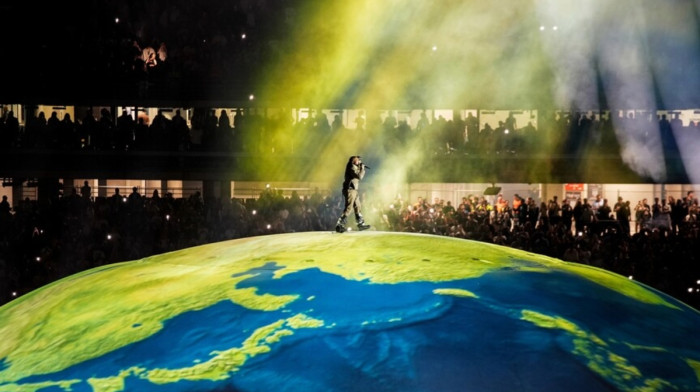
U.S. rapper Kanye West, now known as Ye, performed to a crowd of 118,000 people in Istanbul on Saturday night, marking his first concert in Europe in more than a decade, despite being barred from performing in several countries over past antisemitic remarks.
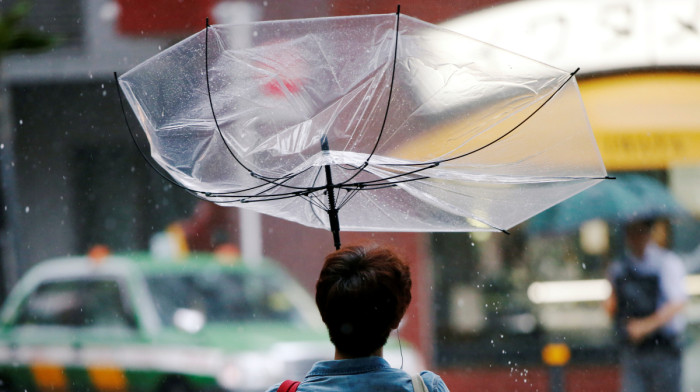
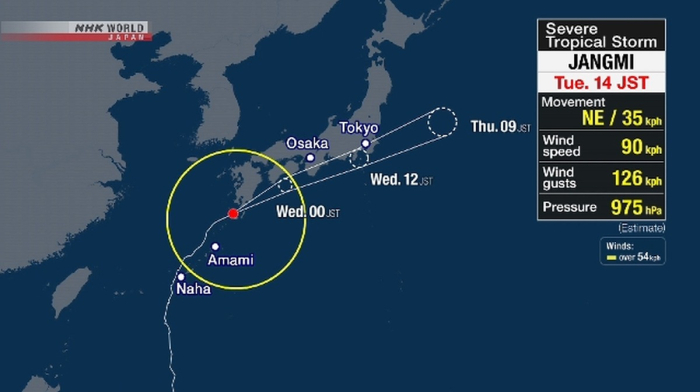
Okinawa lost transport links and suffered widespread power outages on Monday (1 June) as Severe Tropical Storm Jangmi brought destructive winds and heavy rain to Japan's south-western islands.
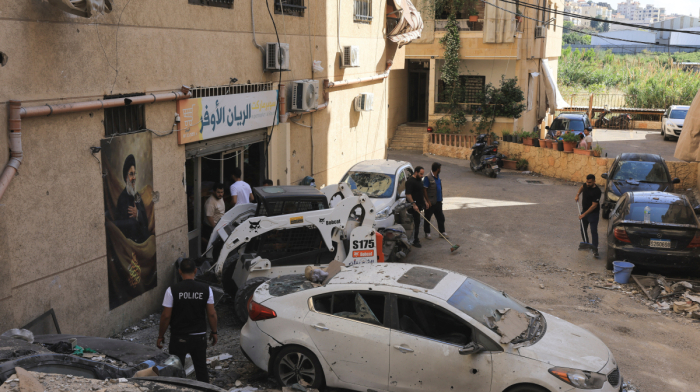
U.S. Secretary of State Marco Rubio has held talks with Lebanese President and Israeli Prime Minister on efforts to ease tensions between Israel and Lebanon. According to a U.S. official, Washington has proposed a plan aimed at achieving a gradual de-escalation of hostilities.
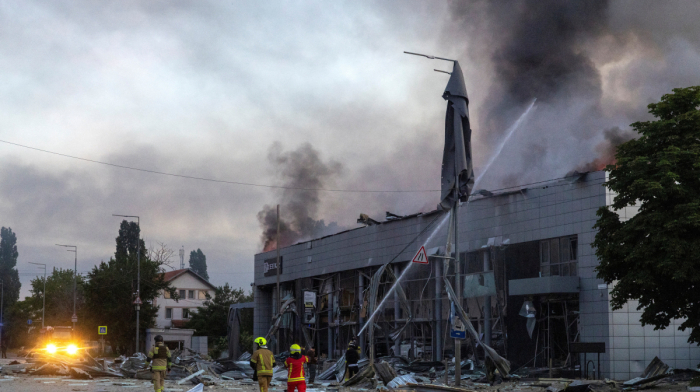
Competing narratives continue to shape perceptions of the war in Ukraine, with Russian leadership suggesting a possible end phase while Ukrainian officials warn of renewed large-scale attacks and ongoing escalation risks.
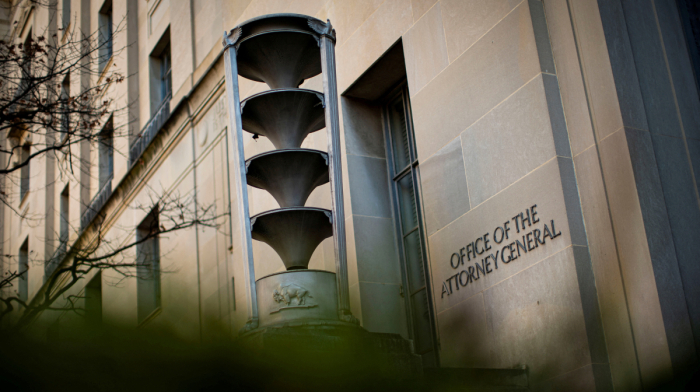
Unsealed records from the U.S. Department of Justice have renewed scrutiny of lawyer Robert Amsterdam after documents revealed communications between his law firm and Jeffrey Epstein's office. The disclosures have drawn attention because of Amsterdam's prominent role in Armenia.
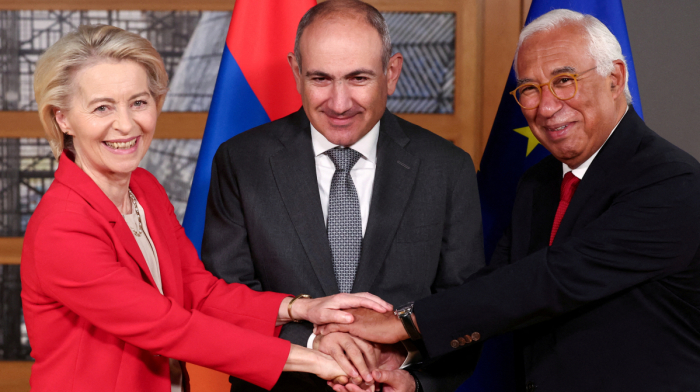
When Armenians vote on 7 June, they will be voting in an election shaped by months of political change and a rapidly deepening relationship with the European Union. The result may not only determine who governs Armenia but also the future direction of the country's geopolitical alignment.
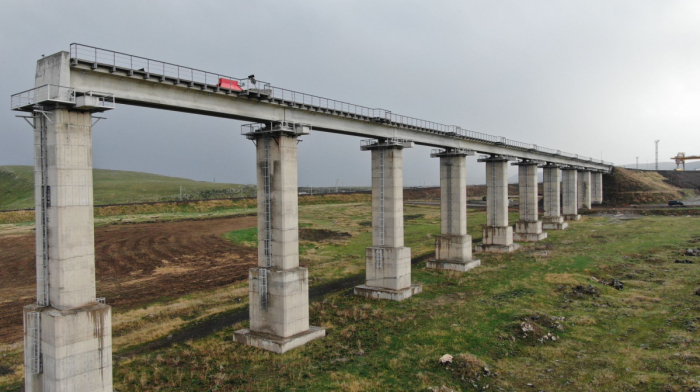
The Baku-Tbilisi-Kars (BTK) railway is resuming operations on 2 June after extensive modernisation works. Officials from Azerbaijan, Georgia and Türkiye are set to gather in Akhalkalaki for a launch event marking the reopening of one of the Middle Corridor's most important transport links.
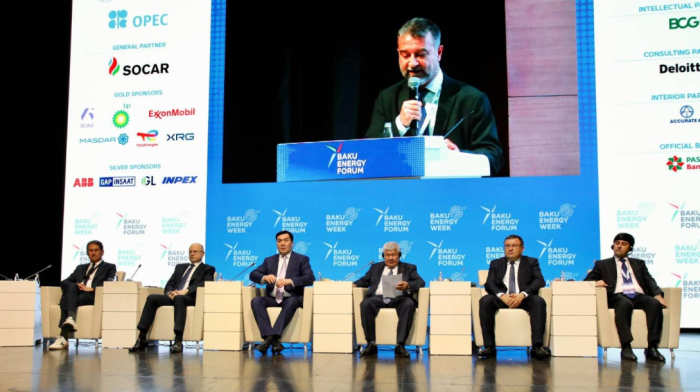
Kazakhstan is open to expanding its oil export routes through Azerbaijan and advancing joint energy infrastructure projects across the Caspian region, Energy Minister Yerlan Akkenzhenov told AnewZ in an exclusive interview in Baku.
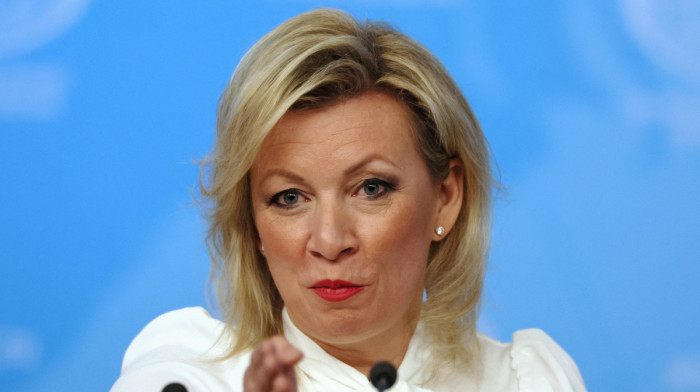
Russia's Foreign Ministry spokeswoman Maria Zakharova praised Georgia for resisting Western pressure (30 May), defending its national interests and pursuing a "multi-vector foreign policy" - language that closely mirrors the rhetoric of the ruling Georgian Dream party.
As Armenia approaches parliamentary elections, Russia appears to be increasing political and economic pressure on Yerevan, signalling that closer integration with the EU could lead to significant changes in labour, transport and energy arrangements between the two countries.
You can download the AnewZ application from Play Store and the App Store.
What is your opinion on this topic?
Leave the first comment