Unsealed Epstein emails place U.S. lawyer with Armenia ties under renewed scrutiny
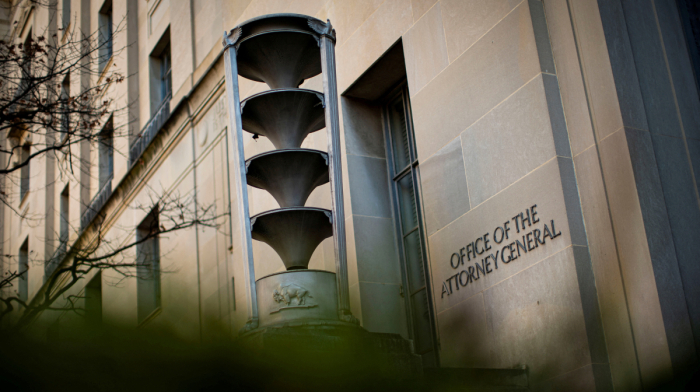
Unsealed records from the U.S. Department of Justice have renewed scrutiny of lawyer Robert Amsterdam after documents revealed communications between ...
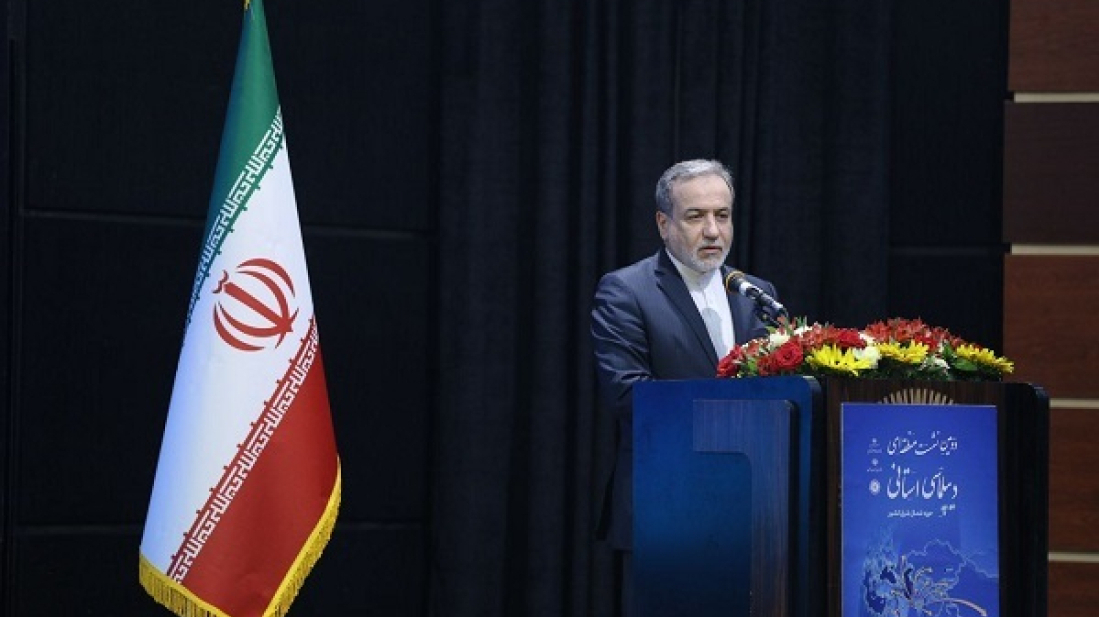
Iran’s Foreign Minister Abbas Araghchi has rejected the resumption of nuclear negotiations with the United States saying Washington is laying “excessive and illogical” conditions which have stalled the talks.
“The talks will not restart as long as the U.S. is making excessive and illegal demands,” he told reporters on Wednesday upon arriving in the northeastern city of Mashhad to open the Provincial Diplomacy Conference.
“Mr. (Steve) Witkoff has been making indirect contacts with us and sending messages through intermediaries,” he added.
Araghchi and Steve Witkoff the U.S. Special Envoy for the Middle East, held five rounds of mediated talks in Oman and Italy this year which were discontinued after the U.S. President Donald Trump joined Israel’s attacks on Iran and bombed the nuclear facilities in June.
Foreign Ministry Spokesman Esmaeil Baghaei echoed Araghchi’s statements and said the renaming of the U.S. Department of Defense to the Department of War reflects Washington’s lack of belief in diplomacy.
“The U.S. policy of bullying and intimidation has troubled the entire international relations system,” he said at a meeting with university students in Mashhad.
“None of IAEA reports indicated that Iran's nuclear program has become militarised,” he said referring to the UN nuclear watchdog the International Atomic Energy Agency, “Our resilience has been proven, but logic requires to strengthen ourselves more than ever.”
Tehran suspended its ties with IAEA for failing to condemn the Israel-U.S. airstrikes on its peaceful nuclear sites in June and for agency’s report on Iran’s “non-compliance” which Iran said served as a pretext for bombing of its nuclear centers.
Baghaei also rejected return of UN sanctions and said that China and Russia as two permanent members of the Security Council as well as 120 member states of the Non-Aligned Movement have opposed West’s interpretation on re-installment of nuclear sanctions under Resolution 2231.
Araghchi told the participants of the conference on provincial diplomacy that economic ties with neighboring countries are the “breathing space” in the wake of sanctions.
“Iran's trade exchanges with each of its neighboring countries are more than total trade with Europe which indicates importance of economic ties with neighbors.”
“Smugglers and terrorists do not cross the borders through which goods are exchanged and passengers travel. As the saying goes, if local officials in border provinces reach agreements, the borders will become borders of peace,” he added.
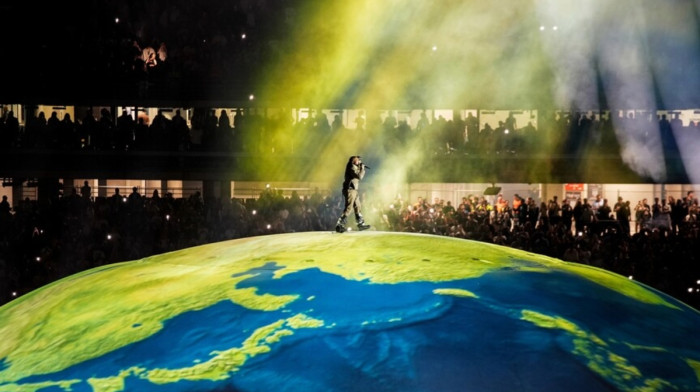
U.S. rapper Kanye West, now known as Ye, performed to a crowd of 118,000 people in Istanbul on Saturday night, marking his first concert in Europe in more than a decade, despite being barred from performing in several countries over past antisemitic remarks.
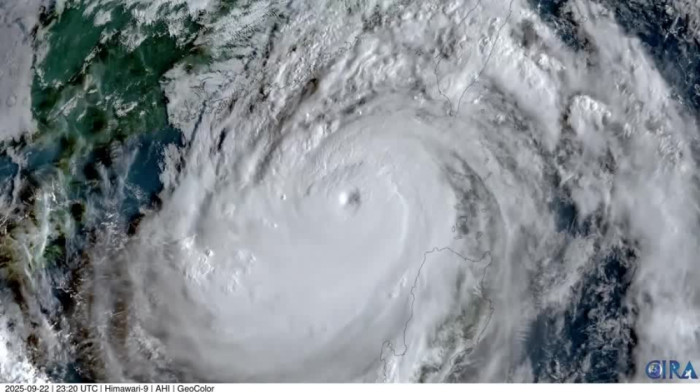
Okinawa lost transport links and suffered widespread power outages on Monday (1 June) as Severe Tropical Storm Jangmi brought destructive winds and heavy rain to Japan's south-western islands.
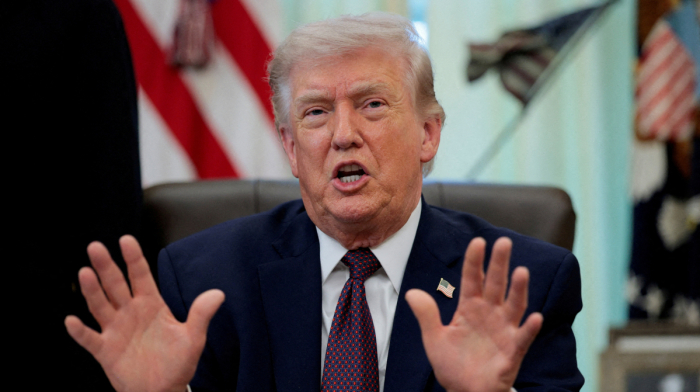
Donald Trump said he is “in no hurry” to reach a deal with Iran, insisting the U.S. is slowly getting what it wants. He warned military action remains an option if talks fail. Meanwhile, U.S. forces said they fired a missile at a vessel trying to breach Washington’s blockade of Iran.
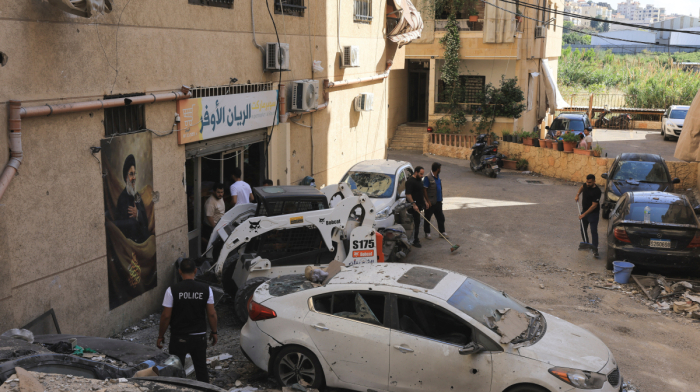
U.S. Secretary of State Marco Rubio has held talks with Lebanese President and Israeli Prime Minister on efforts to ease tensions between Israel and Lebanon. According to a U.S. official, Washington has proposed a plan aimed at achieving a gradual de-escalation of hostilities.
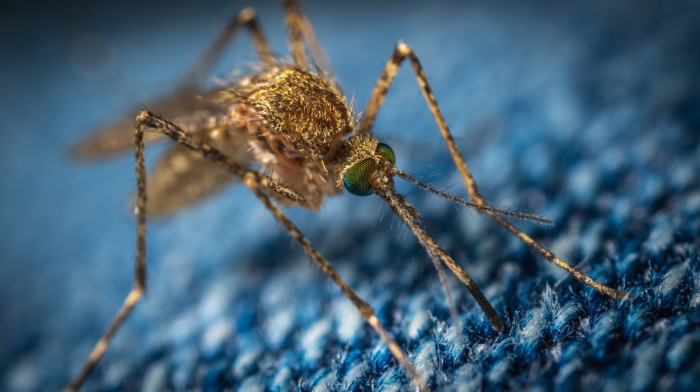
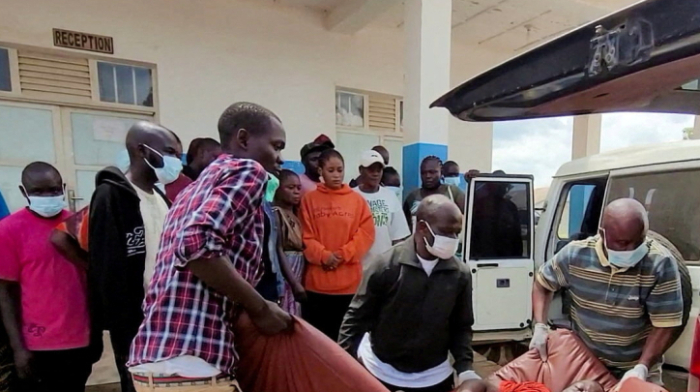
The World Health Organisation’s designation of the Bundibugyo Ebola virus outbreak as a Public Health Emergency of International Concern (PHEIC) is a stark reminder that Ebola remains a persistent global health threat rather than a disease of the past.
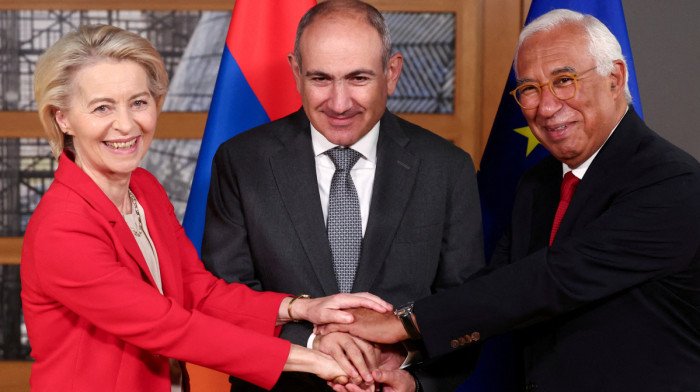
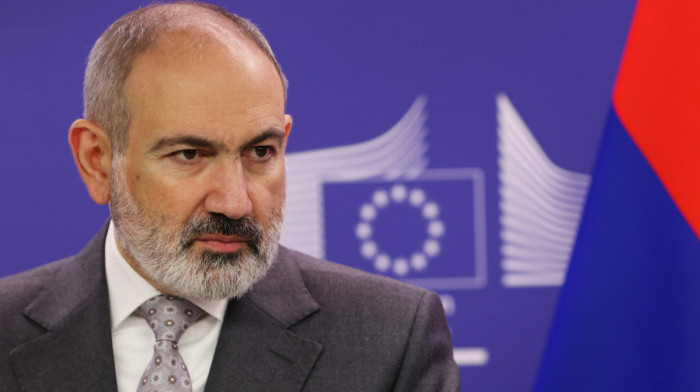
When Armenians vote on 7 June, they will be voting in an election shaped by months of political change and a rapidly deepening relationship with the European Union. The result may not only determine who governs Armenia but also the future direction of the country's geopolitical alignment.
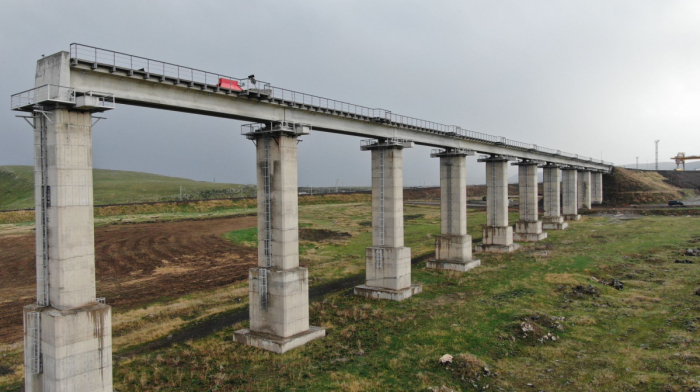
The Baku-Tbilisi-Kars (BTK) railway is resuming operations on 2 June after extensive modernisation works. Officials from Azerbaijan, Georgia and Türkiye are set to gather in Akhalkalaki for a launch event marking the reopening of one of the Middle Corridor's most important transport links.
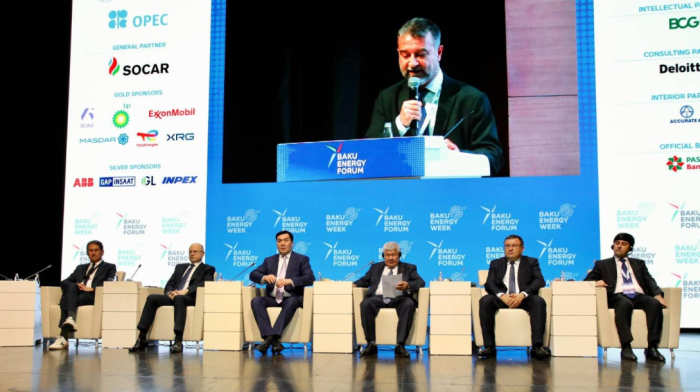
Kazakhstan is open to expanding its oil export routes through Azerbaijan and advancing joint energy infrastructure projects across the Caspian region, Energy Minister Yerlan Akkenzhenov told AnewZ in an exclusive interview in Baku.
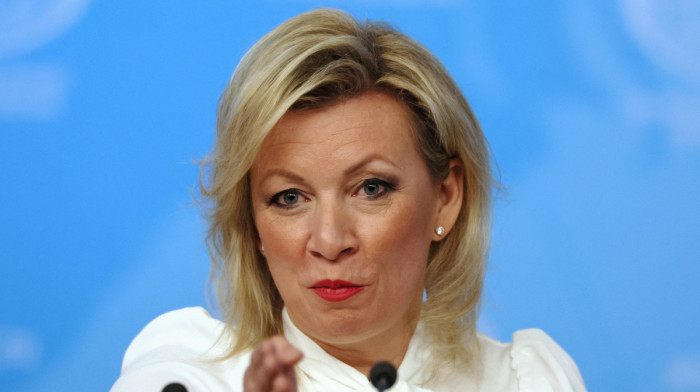
Russia's Foreign Ministry spokeswoman Maria Zakharova praised Georgia for resisting Western pressure (30 May), defending its national interests and pursuing a "multi-vector foreign policy" - language that closely mirrors the rhetoric of the ruling Georgian Dream party.
As Armenia approaches parliamentary elections, Russia appears to be increasing political and economic pressure on Yerevan, signalling that closer integration with the EU could lead to significant changes in labour, transport and energy arrangements between the two countries.
You can download the AnewZ application from Play Store and the App Store.
What is your opinion on this topic?
Leave the first comment