Peace only reliable guarantee of Armenia's security - Armenia
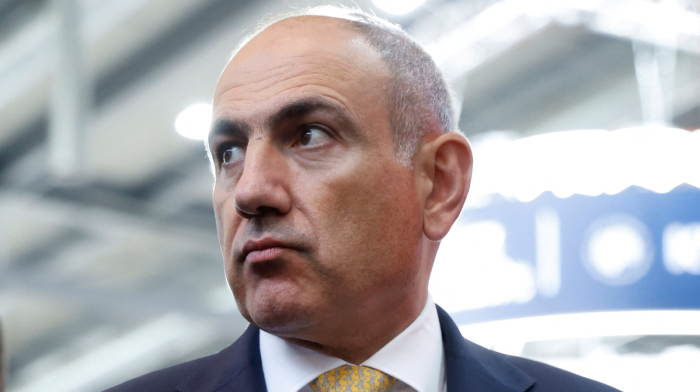
Peace is Armenia’s only reliable guarantee of security, Armenian Prime Minister Nikol Pashinyan has said in comments in Dublin, where he also...
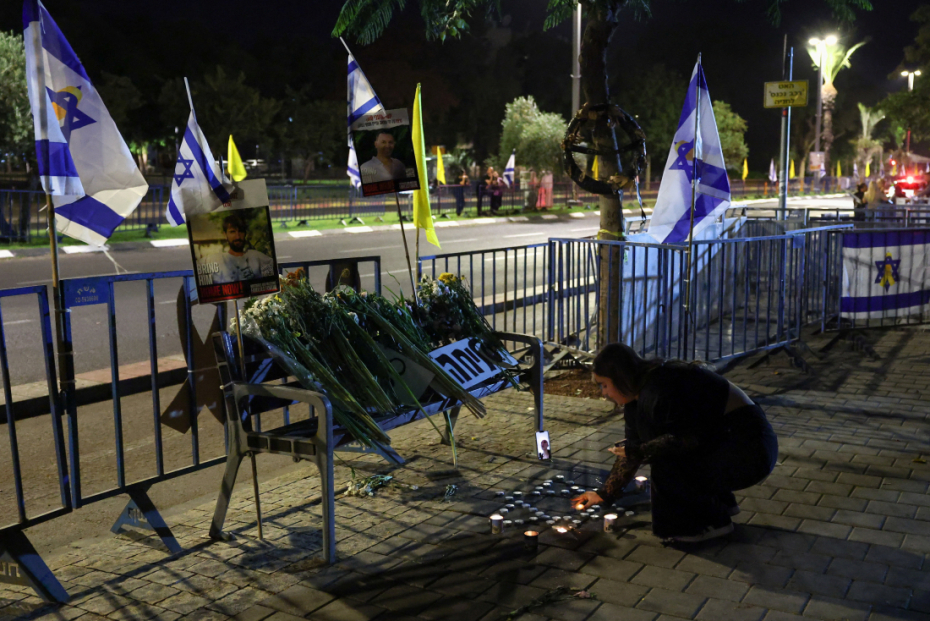
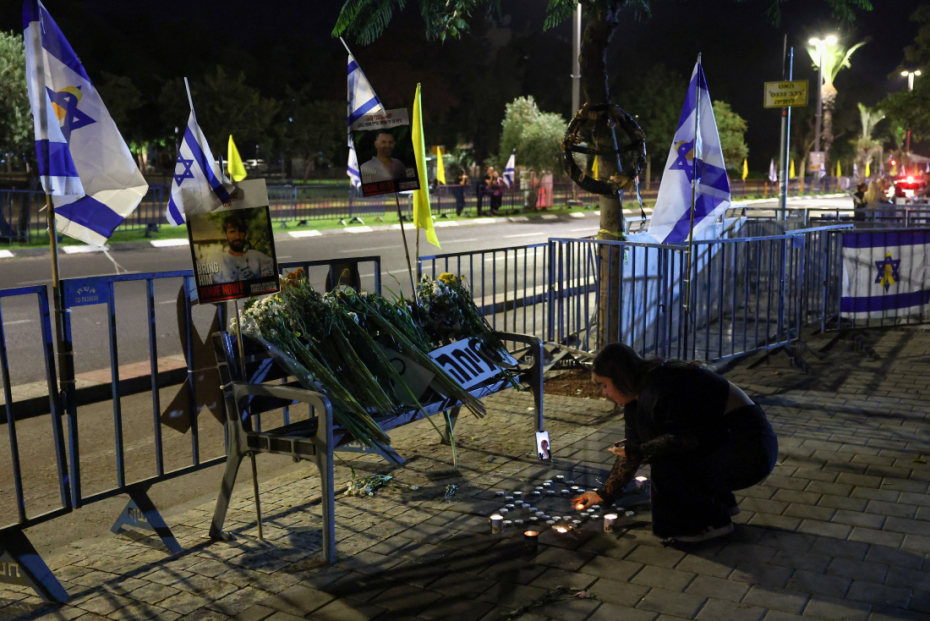
Hamas handed over more bodies of deceased hostages to Israel on Tuesday (14 October), one sign of progress after a number of apparent setbacks in the day since U.S. President Donald Trump touted his plan to end the Gaza war.
The Palestinian armed group handed back 20 living and four deceased hostages on Monday (13 October).
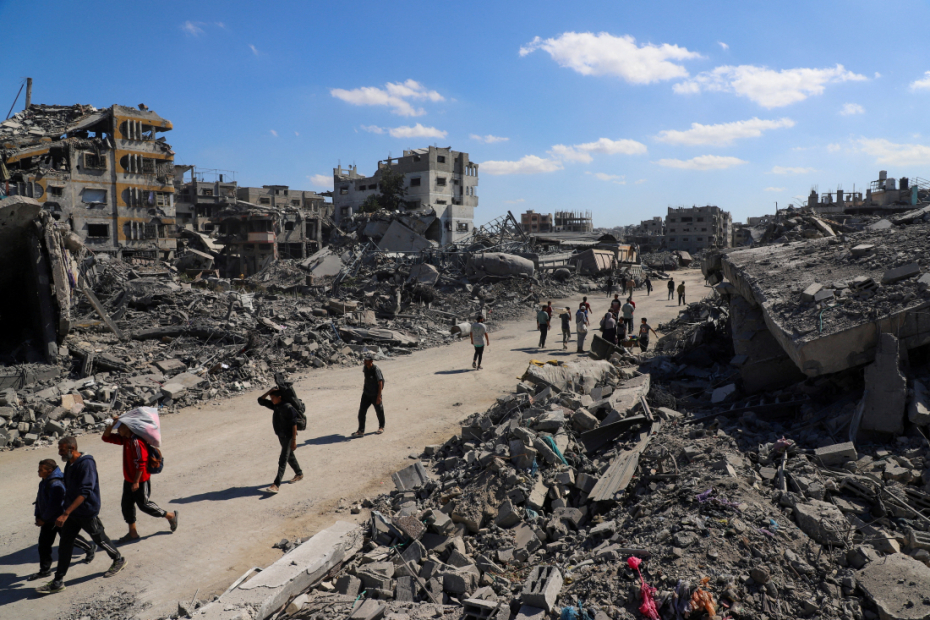
The bodies were returned after Israel announced it would halve the number of humanitarian aid trucks entering Gaza as a response to Hamas allegedly violating its agreement to transfer remains under last week’s ceasefire deal.
Meanwhile, re-emergent Hamas fighters demonstrated they were reasserting control in Gaza by deploying hundreds of security forces in the streets and executing several people they accused of collaborating with Israel.
U.S. President Donald Trump called it the "historic dawn of a new Middle East" in a speech to Israel’s parliament, as Israel exchanged the last 20 living hostages for nearly 2,000 Palestinian detainees and prisoners.
So far, Hamas has handed over eight coffins of deceased hostages, leaving at least 19 presumed dead and one unaccounted for in Gaza.
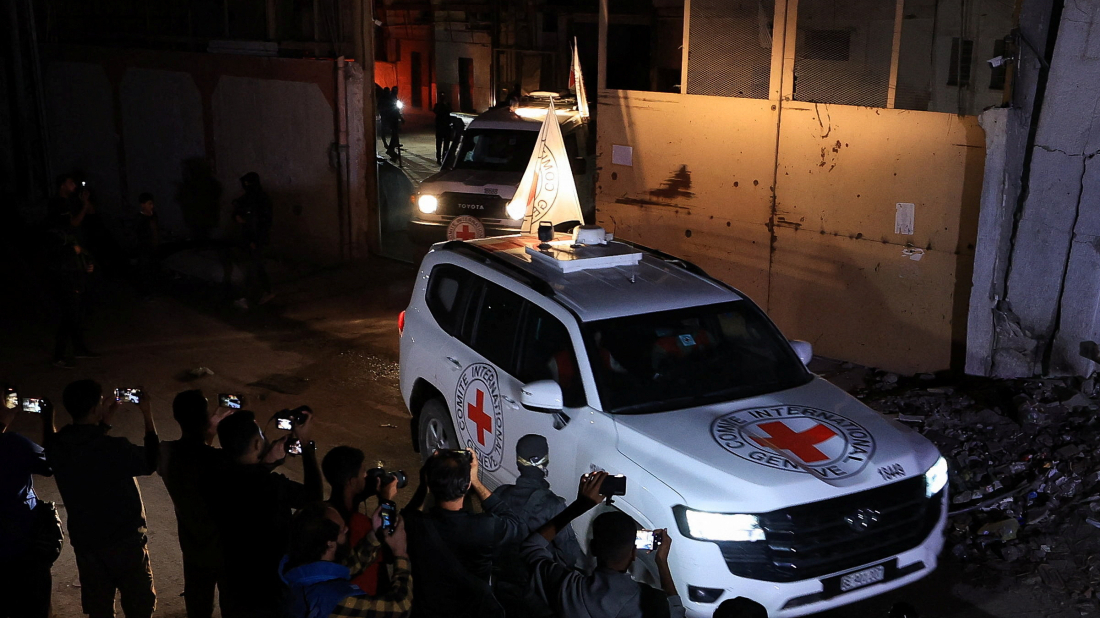
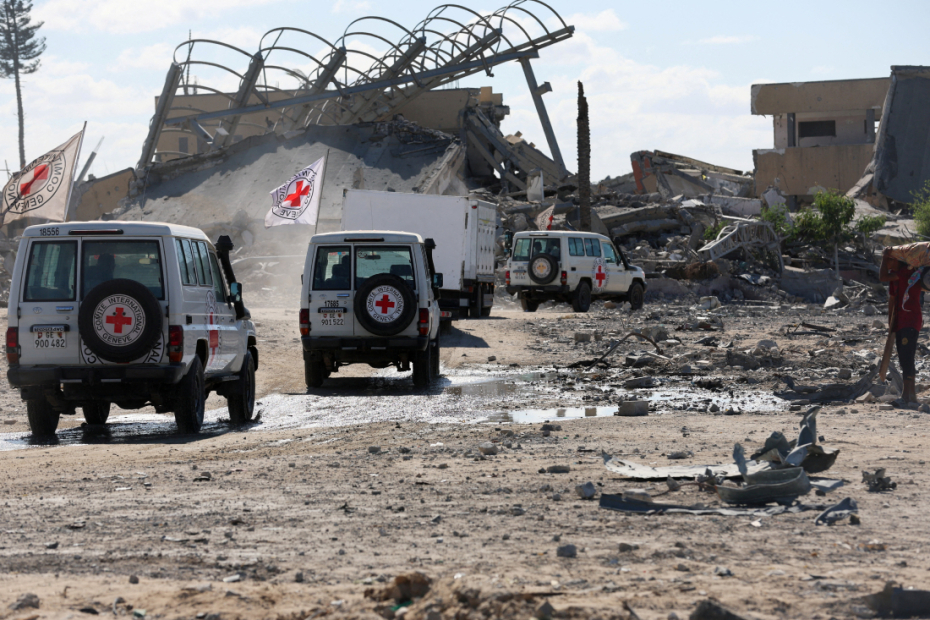
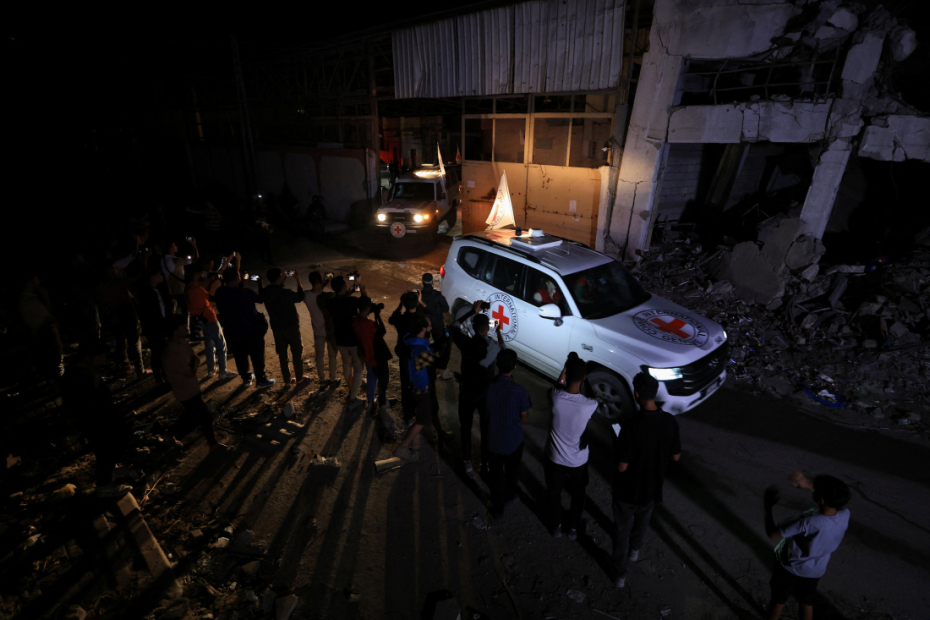
On Tuesday, the Israeli military said it received four coffins from the Red Cross at a meeting point in northern Gaza Strip. Those coffins, escorted by Israeli forces, crossed the border into Israel shortly before midnight and were being taken for forensic identification, the Israeli military said.
Hamas also confirmed the transfer.
“At this moment, the men are continuing to oversee the implementation of what was agreed upon regarding the handover of bodies as part of the agreement to end the war in Gaza,” Hamas spokesperson in Gaza Hazem Qassem on Facebook.
It was not immediately clear if the handing over of bodies was sufficient for Israel to restore a full complement of aid deliveries.
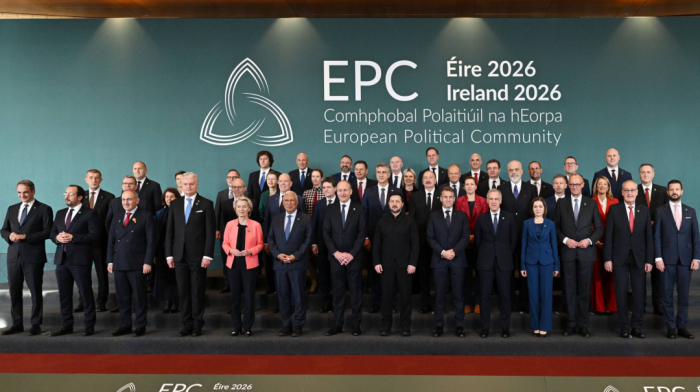
European leaders gathered in Dublin on Thursday, 12 November, for the ninth European Political Community (EPC) summit, with security, defence and energy high on the agenda. Azerbaijani President Ilham Aliyev held talks focused on peace, trade and regional cooperation.
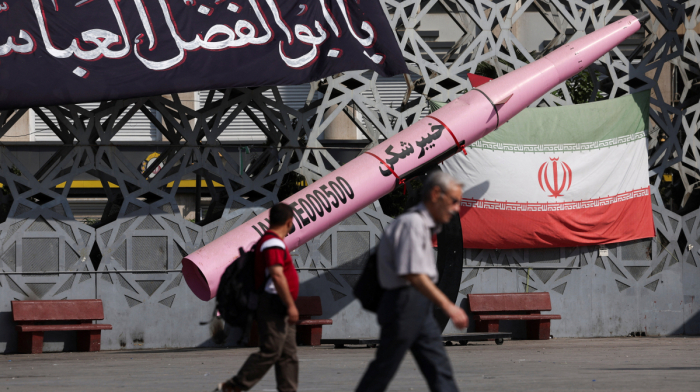
Iran’s Assembly of Experts has backed withdrawing from the Nuclear Non-Proliferation Treaty (NPT) and overhauling the country’s defence doctrine, calling both steps essential to national security and deterrence.
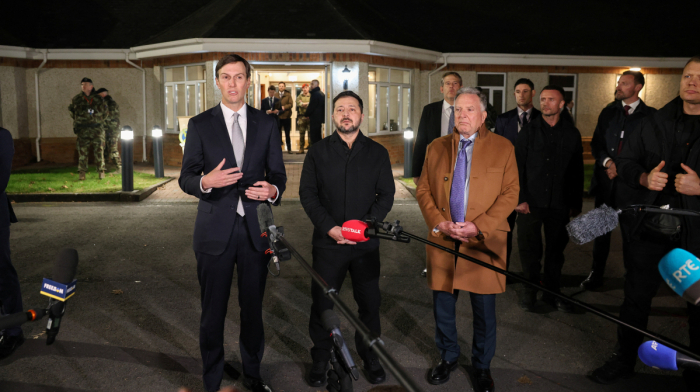
President Vladimir Putin agreed on Thursday to let European representatives join the next round of Ukraine peace talks while the United States continues to work towards what could become the largest prisoner exchange of the Russia-Ukraine war.
Microsoft struggled to restore its services on Friday after a major outage disrupted Outlook, Teams and Copilot across the United States and Asia-Pacific region.
Here's your AnewZ Technology Daily Brief for the 13th of November. This week, a Microsoft outage hit Australian agencies, Google restricted mapping data in South Korea, a lawsuit targeted advanced AI development, and Nvidia faced a leadership crisis after Jensen Huang's resignation.
Peace is Armenia’s only reliable guarantee of security, Armenian Prime Minister Nikol Pashinyan has said in comments in Dublin, where he also commented that the Russian-led Collective Security Treaty Organisation (CSTO) alliance had failed to fulfil its obligations towards Yerevan.
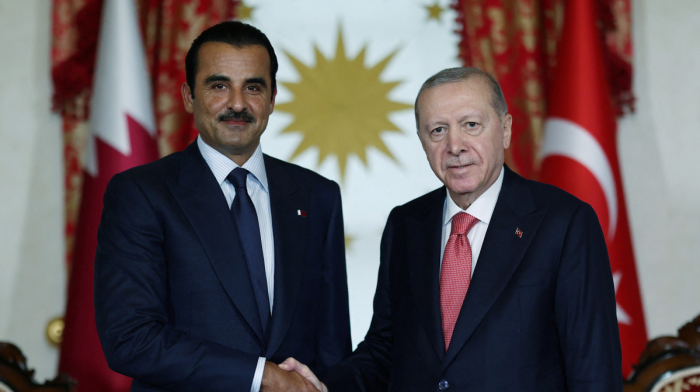
Türkiye and Qatar signed a mutual defence agreement on Friday, November 13, aimed at strengthening collective security and regional stability. The two countries pledged to take a united stance against any external armed attack on either nation.
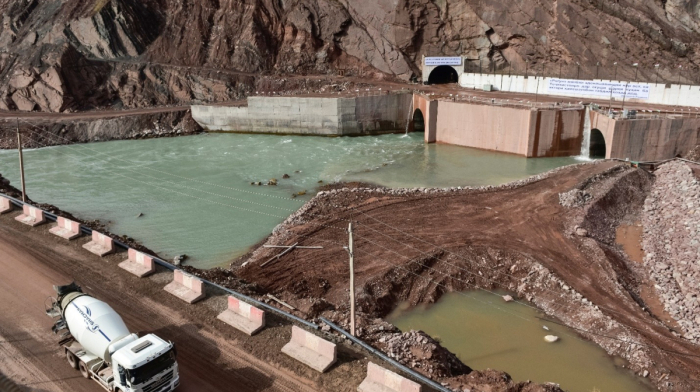
As Central Asia expands its hydropower infrastructure and high-rise construction, seismologists are examining whether large mountain reservoirs could influence earthquake activity. The question is particularly pressing in a region where major cities lie close to active tectonic faults.
As artificial intelligence (AI) becomes part of everyday life, languages with smaller speaker communities risk being left behind. Georgian, spoken by around four million people worldwide, is facing a digital challenge: making sure it is understood by the machines shaping how the world communicates.
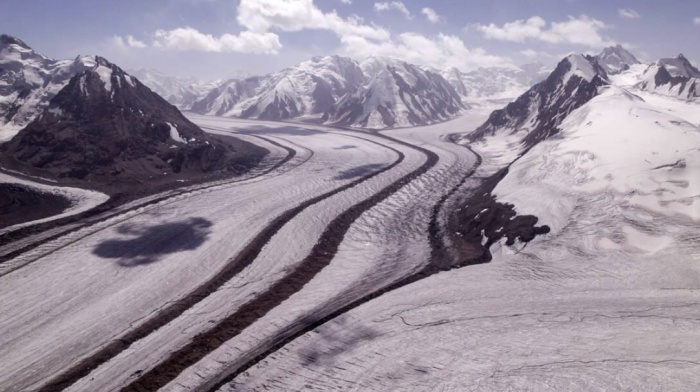
Tajikistan has urged the international community to increase funding to protect shrinking glaciers and help mountain communities adapt to climate change at the COP31 UN climate summit in Antalya, Türkiye.
You can download the AnewZ application from Play Store and the App Store.
What is your opinion on this topic?
Leave the first comment