Saudi Arabia intercepts drone over Riyadh amid rising Houthi attacks
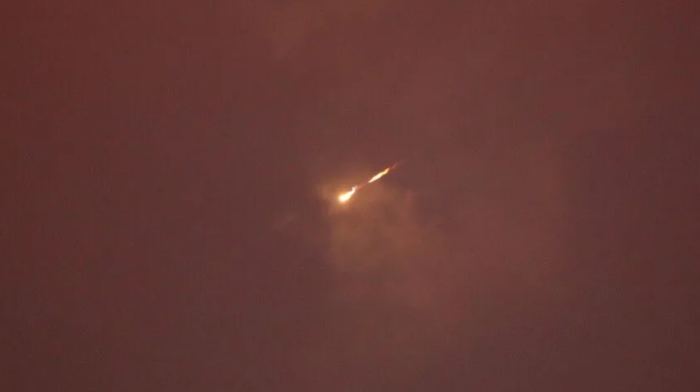
Saudi Arabia’s air defences have intercepted and destroyed a hostile drone over the Riyadh region, according to the Saudi-led coalition fight...
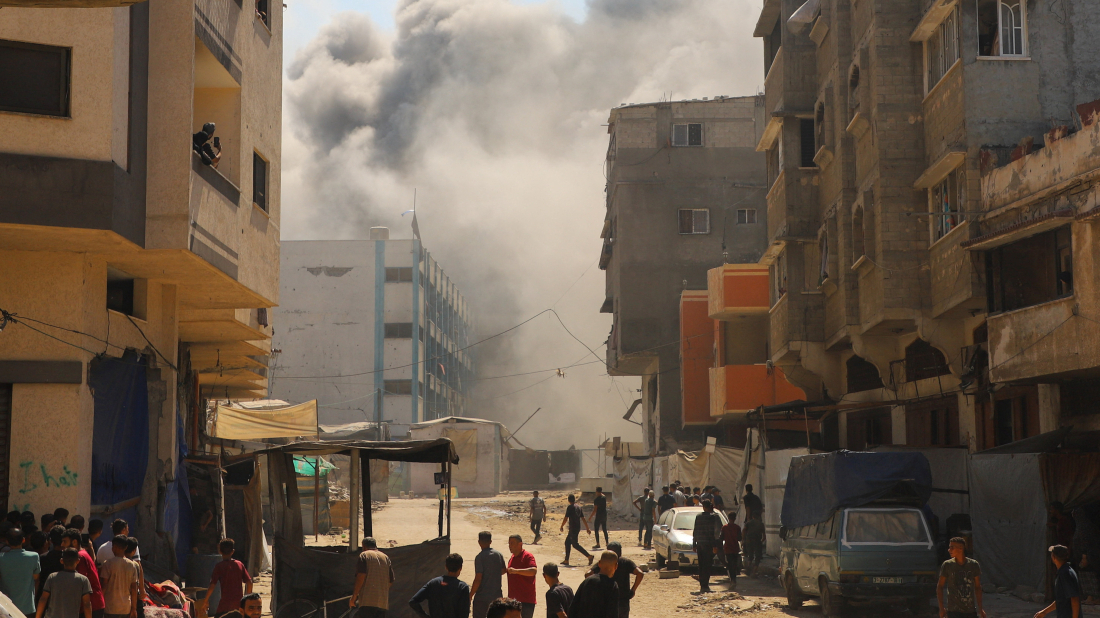
Israeli airstrikes targeted multiple UNRWA-run schools in Gaza City on 13 September, which had been used to shelter displaced Palestinians, destroying belongings but causing no reported injuries.
Several UN-run schools in Gaza City were struck by Israeli forces on Saturday in a campaign that has escalated against areas where civilians continue to seek refuge. Although the buildings had been evacuated, the airstrikes left behind widespread destruction and stripped many displaced Palestinians of their few remaining possessions.
Footage from the scene showed people running amid explosions and thick plumes of smoke rising over the ruins of the schools. One of the shelters, operated by the United Nations Relief and Works Agency (UNRWA), was previously home to families who had fled earlier bombardments.
"God is sufficient for me, and he is the best disposer of affairs," said Fidaa al-Za’aneen, a woman displaced by the fighting, as she fled the attack. "They hit the school that is sheltering us… There are no blankets, no mattresses, no pillows. Where would we go, oh world?"
Witnesses described frantic efforts to retrieve any surviving belongings from the rubble, with many now left homeless again. Za’aneen said she had been preparing food for children when the evacuation call came. Minutes later, the building was bombed. “We only managed to get out with what we’re wearing,” she added.
The Israeli military claimed responsibility for the strikes, stating it had targeted over 500 sites in Gaza City over the past week, including sniper positions, tunnel entrances, and weapons storage. It said the aim was to eliminate Hamas and establish full control over the devastated city.
Despite Israeli warnings ahead of the attacks, Palestinians who had sheltered in the schools said they had nowhere else to go. Misbah Joudeh, another displaced man, explained: “I am not leaving, whatever happens. We don’t even have a coin to ride a car.”
The continued bombardment has devastated critical infrastructure across Gaza, with residents struggling to find shelter, food or medical care. Aid organisations warn that without an immediate halt to the strikes, the humanitarian crisis could become irreversible.
The U.S. has approved the sale of 500 Patriot PAC-3 missiles to Ukraine in a deal worth an estimated $2.1 billion, but Kyiv could face years of delays before receiving the weapons it urgently needs to defend against intensifying Russian attacks.
Iranian Supreme Leader Ayatollah Khamenei has ordered Iran's armed forces to respond to any threat immediately and without geographical limits in statements posted to social media platforms on Saturday (31 October).
A hacking group linked to North Korea is widely believed to be behind the theft of $6.3 billion from cryptocurrency giant Binance, a cyberattack that experts describe as the largest cryptocurrency heist on record.
Gen Z protests swept 34 German cities on Saturday (31 October) over education and living costs. Violence erupted in Frankfurt, where shops were looted and police reported Molotov cocktail attacks.
A tenth-grade student was critically injured after a man attacked her with a chainsaw inside a classroom in Andhra Pradesh’s Anantapur district. The girl suffered severe injuries to her head, neck and back, while a classmate who tried to protect her was also hurt.
Saudi Arabia’s air defences have intercepted and destroyed a hostile drone over the Riyadh region, according to the Saudi-led coalition fighting in Yemen. No casualties were reported.
Since 2021, only 9 per cent of $8 billion in humanitarian aid for Afghanistan can be traced beyond initial recipients in public records, a Kabul Institute report released on 22 October said. The United Nations says its oversight systems ensure accountability.
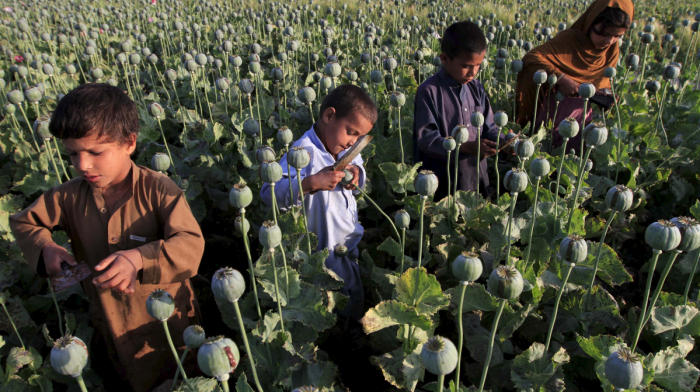
Opium poppy cultivation in Afghanistan surged by 330 per cent in 2026 despite a four-year ban, the United Nations said on Thursday. Afghan authorities disputed the findings, while Japan urged continued support for farmers seeking alternative livelihoods.
Demonstrators carrying Iranian flags and placards supporting the hijab gathered outside the Azerbaijani Embassy in London.
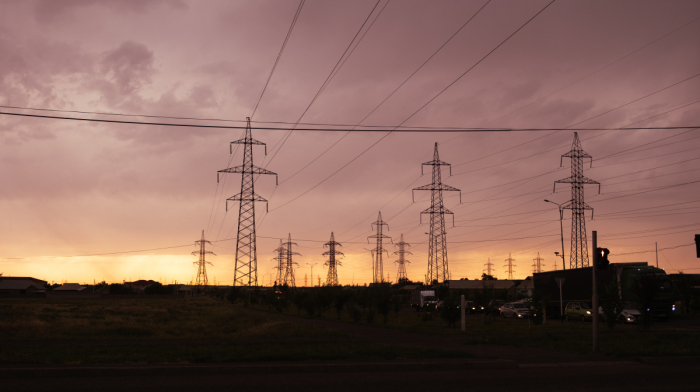
Central Asia could gain up to $640 million a year from closer energy cooperation, but strained electricity grids threaten to limit those gains, with Kazakhstan particularly exposed to regional power shortages and growing pressure on its network.
You can download the AnewZ application from Play Store and the App Store.
What is your opinion on this topic?
Leave the first comment