live Russia denies CIA Director visited Moscow to warn against attack on NATO
Kremlin Spokesperson Dmitry Peskov has dismissed media reports that CIA Director John Ratcliffe visited Moscow ear...
Israel’s airstrike on Hamas officials in Doha drew global condemnation on Tuesday, with Qatar calling it a violation of its sovereignty and the UN urging restraint.
Israeli Prime Minister Benjamin Netanyahu confirmed that the attack targeting Hamas’s political leadership in Doha was "a wholly independent Israeli operation," stressing that Israel "takes full responsibility" for the action.
Qatar denounced the strike as a "cowardly" assault on residential buildings housing Hamas political bureau members, labelling it a "criminal act" and "blatant violation" of international law. Foreign Ministry spokesperson Majed Al Ansari declared that Qatar would not tolerate threats to its sovereignty.
UN Secretary-General António Guterres described the attack as a "flagrant violation of sovereignty and territorial integrity," and urged all parties to move towards a permanent ceasefire.
Pope Leo expressed deep concern, calling the situation "very serious" during remarks outside Castel Gandolfo.
Saudi Arabia issued a firm condemnation, calling it a "brutal aggression" and warning of "dire consequences" from Israel’s ongoing violations.
Azerbaijan’s Foreign Ministry also expressed concern over the strike on Qatar, warning it could further escalate regional tensions.
“We are deeply concerned about today’s attack on Qatar, which may lead to greater regional instability. Azerbaijan reaffirms its support for Qatar’s sovereignty and territorial integrity, and calls for diplomatic efforts to be prioritised to preserve stability in the region,” the ministry said.
Lebanese President Joseph Aoun said the incident was part of Israel’s continued efforts to undermine regional stability.
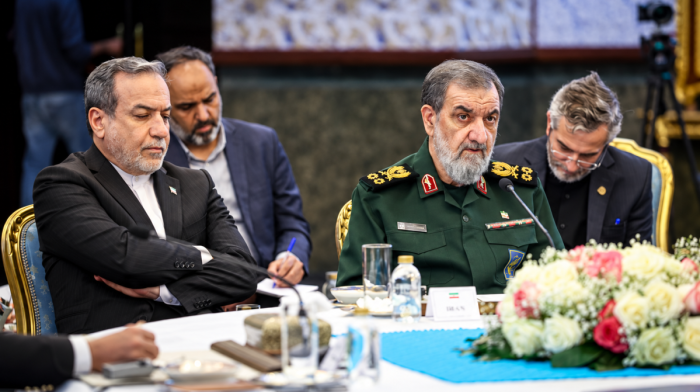
Iran's Foreign Ministry called the strike "dangerous" and in breach of international law.
The UAE condemned the "blatant and cowardly" escalation, declaring its solidarity with Qatar and support for measures to protect its security.
Türkiye stated the attack showed that Israel has no interest in a ceasefire, accusing it of adopting terrorism as a state policy.

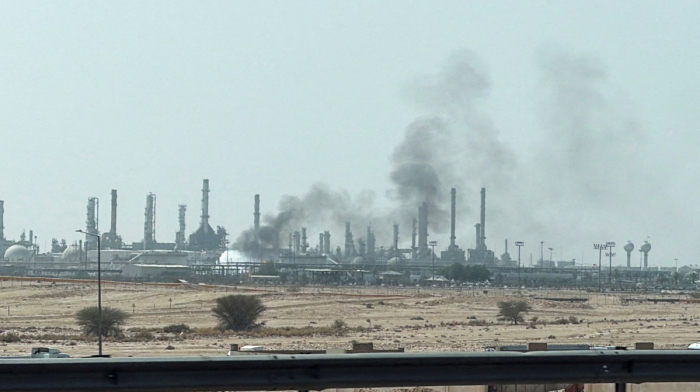
Oil prices fell after the U.S. expanded economic sanctions on Iran, as Tehran vowed to retaliate and warned it had tools to respond, raising concerns over potential disruption to regional oil supplies.
Rescuers in Nepal used helicopters on Thursday to scour for hundreds still missing after a wall of mud and rock collapsed into a river on the Himalayan border with China's Tibet, sending catastrophic floods through towns and valleys, killing 162 people.
Secretary of State Marco Rubio told allied foreign ministers Washington will focus on sanctions and other pressure on Iran “for the time being”, Axios reports. Meanwhile, Iran and Oman have resumed talks on a temporary shipping route through the Strait of Hormuz.
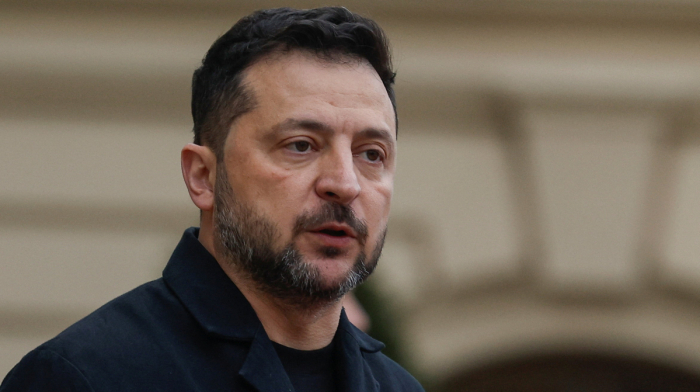
Kyiv has recently received a small number of U.S.-made Patriot interceptors capable of downing Russian ballistic missiles, Ukrainian President Volodymyr Zelenskyy has said. It comes as Britain and France pledged stronger military support for Ukraine.
Iranian President Masoud Pezeshkian has called for greater economic cooperation among Muslim countries, saying their combined economic weight remains disproportionately small compared with their population, strategic location and resources.
The inaugural Silk Road Finance & Technology Forum brought together policymakers, investors and technology companies as Central Asia looks to build a more connected financial system and compete for a bigger share of global fintech investment.
Uzbekistan's region of Karakalpakstan is developing three cryptocurrency mining facilities and three data centers with a combined investment of $5.1 billion, as the region seeks to attract larger and higher-quality investments.
A restaurant payment with a Visa card in Damascus has become a symbol of Syria’s reconnection with the global financial system.
The Silk Road Finance & Technology Forum will bring more than 6,000 policymakers, investors and technology leaders from 74 countries to Tashkent, as Central Asia seeks a bigger role in the global fintech landscape.
Kazakhstan is considering the Baku-Supsa pipeline as an alternative oil export route after Caspian Pipeline Consortium disruptions cost the country an estimated 3.5 million tonnes of oil, Energy Minister Yerlan Akkenzhenov said.
You can download the AnewZ application from Play Store and the App Store.
What is your opinion on this topic?
Leave the first comment