1. A Turning Point in Global Conflict
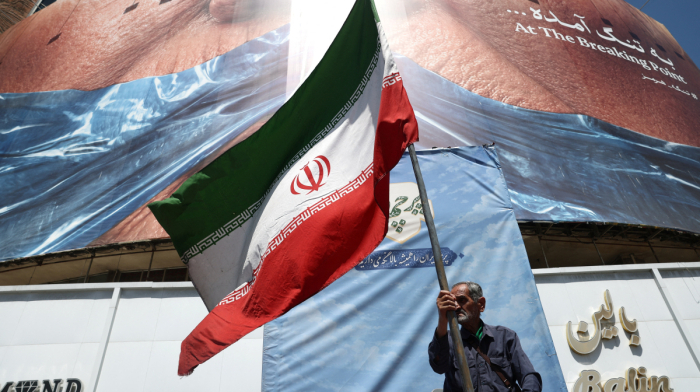
Israel's June 2025 strike on Iran is more than a regional clash—it signals intensifying global power rivalry, especially within Asia and the Global South.
This conflict has shifted the Middle East’s role from a battleground of local tensions to a central front in global strategic competition.
2. China Shifts from Balancer to Defender
Traditionally, China balanced ties with both Israel and Iran. But in 2025, it sharply condemned Israel’s attack, framing it as a violation of sovereignty.
China reaffirmed Iran’s right to self-defense and opposed U.S. involvement—marking a diplomatic pivot toward Tehran.
3. Economic Stakes: Oil, BRI, and Strategic Alignment
China buys over 80% of Iran’s oil exports, reinforcing energy interdependence.
Iran plays a key role in China’s Belt and Road Initiative, deepening strategic ties through infrastructure and energy projects.
China’s stance strains ties with Israel, once a tech and infrastructure partner.
4. Regional and Global Ripple Effects
Asia and the Global South were immediately impacted: oil prices surged past $75/barrel, sparking inflation and economic strain.
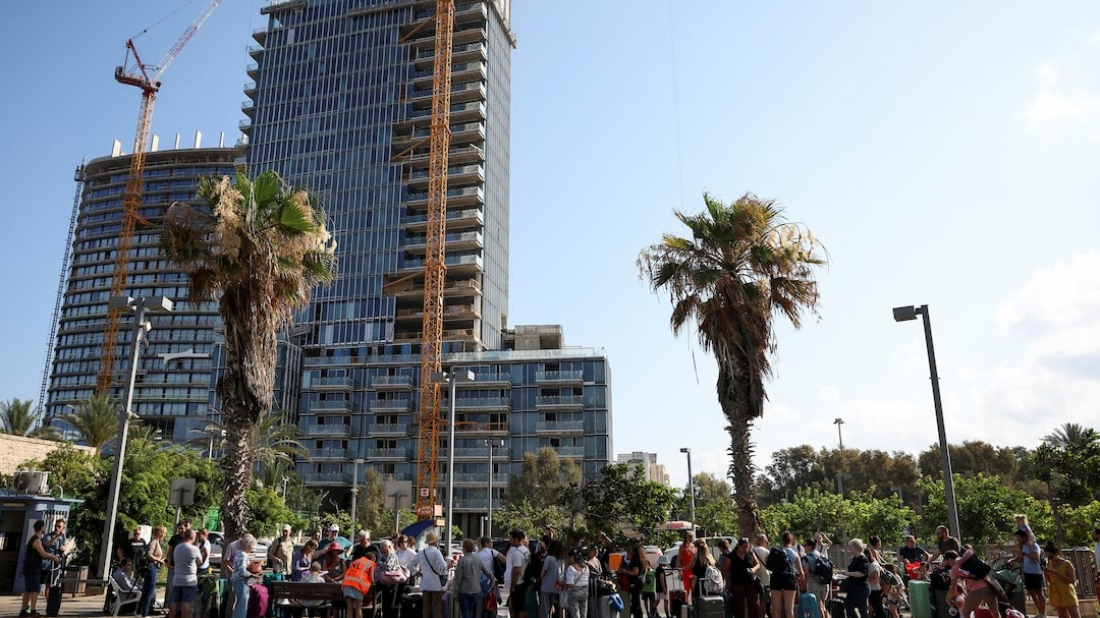
Countries like Indonesia and India responded with evacuations, reserve expansions, and economic safeguards.
The Strait of Hormuz, vital for oil transport, emerged as a major vulnerability point.
5. China’s Mediation Role: Aspirations vs Limits
China has positioned itself as a peace broker, calling for ceasefires and pushing multilateral dialogue via the UN and SCO.
But its leverage over Israel is limited; deep U.S.-Israel ties and mistrust of China’s neutrality remain barriers.
Beijing risks deeper confrontation with the U.S. if it overextends diplomatically.
6. Strategic Polarization and Asia’s Dilemma
The conflict amplifies a global polarization: U.S.-led allies backing Israel vs. a China-Russia-Iran-aligned bloc.
Asian and Global South countries face growing pressure to choose sides or maintain non-aligned strategies.
For China, the conflict tests its vision of becoming the Global South’s leading voice, championing sovereignty and non-intervention.
7. Conclusion: A Defining Moment for the Global South
The Iran-Israel war and China’s response signal a power shift: Asia and the Global South are no longer passive observers.
These regions are emerging as key actors in shaping global order, with potential to demand a more inclusive and equitable world system.
China’s leadership aspirations will hinge on its ability to convert diplomatic rhetoric into real conflict resolution and influence.
This conflict is not just about Iran and Israel—it’s about the future alignment of global power, and Asia’s evolving centrality in it.














What is your opinion on this topic?
Leave the first comment