live Israeli military says it has launched fresh strikes on Tehran: All the latest news on the Iran strikes
The Israeli military has begun a new wave of strikes on Tehran, it said late on Monday. The strikes came after it issued...
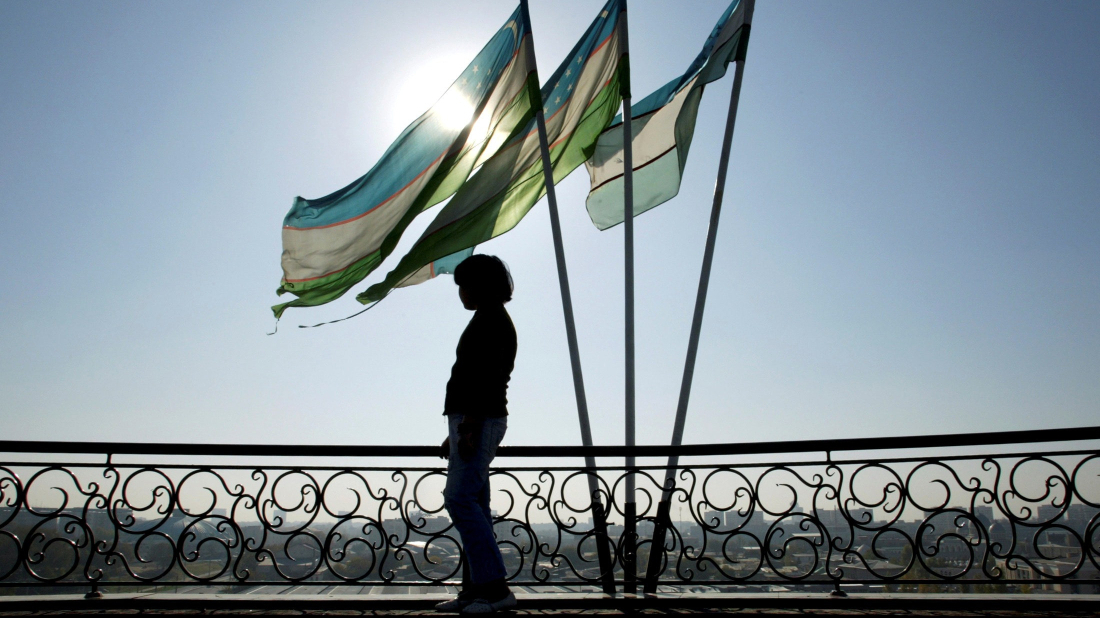
Uzbekistan’s trade, accommodation, and food service industries maintained robust growth in the first quarter of 2025, with Gross Value Added (GVA) in these sectors reaching 39.1 trillion soums (approximately $3.8 billion), according to data from the National Statistical Committee.
This marks an 8.8% year-on-year increase in real terms, reflecting a steady expansion of the country’s services sector, which has become a vital engine of Uzbekistan’s broader economic development strategy.
The current growth builds on a multi-year upward trend:
Though annual growth rates have fluctuated slightly, the overall trajectory remains positive. After peaking at 107.2% in 2023, growth slowed modestly to 104.6% in 2024 before rebounding to 108.8% in the first quarter of 2025.
Economic Significance
The trade and hospitality sectors are increasingly integral to Uzbekistan’s economic diversification goals, especially as the country moves away from a traditional reliance on extractive industries. The expansion of these industries is also creating jobs, stimulating domestic consumption, and attracting private investment.
The government has prioritized improvements in business regulation, infrastructure, and digitalization to support continued development in services. Analysts suggest that if the current pace continues, Uzbekistan is well-positioned to expand its role as a regional hub for commerce and tourism in Central Asia.

Follow the latest developments and global reaction after the U.S. and Israel launched “major combat operations” in Iran, prompting retaliation from Tehran.
Saudi Arabia’s state oil giant Saudi Aramco closed its Ras Tanura refinery on Monday following an Iranian drone strike, an industry source told Reuters as Tehran retaliated across the Gulf after a U.S.-Israeli attack on Iranian targets over the weekend.
The Kremlin is utilising the recent United States and Israeli military strikes on Iran to validate its ongoing war in Ukraine. Russian officials are pointing to the escalation in the Middle East as evidence that Western nations do not adhere to international rules.
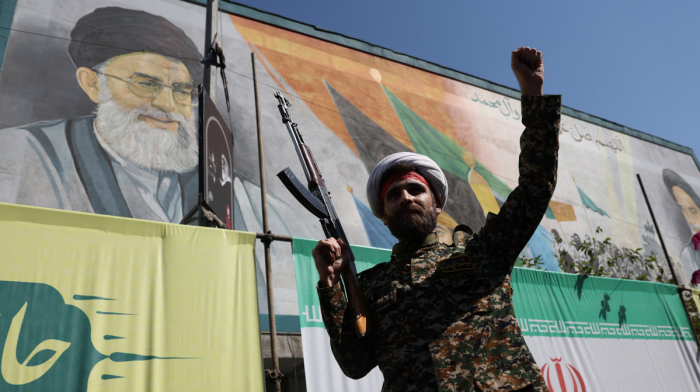
The Middle East crisis intensifies after the deadly attack on the compound of the Supreme Leader of Iran Ali Khamenei on Saturday that killed him, other family members and senior figures. Iran has launched retaliatory strikes on U.S. targets in the region.
Ayatollah Alireza Arafi has moved into a pivotal constitutional role following the death of Supreme Leader Ayatollah Ali Khamenei, becoming the clerical member of Iran’s temporary leadership council under Article 111 of the Constitution of the Islamic Republic of Iran.
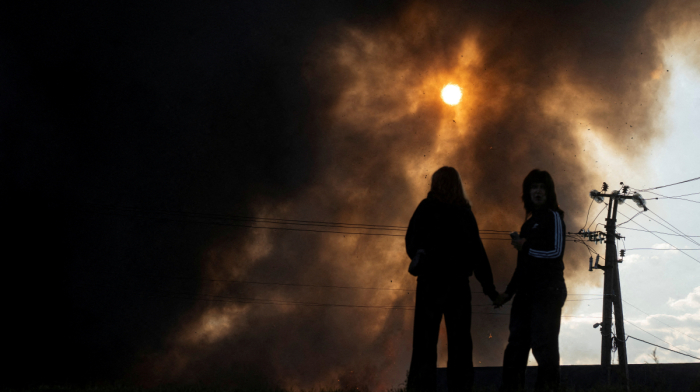
The Israeli military has begun a new wave of strikes on Tehran, it said late on Monday. The strikes came after it issued an evacuation warning for residents in Tehran, particularly those residing near state broadcaster IRIB's headquarters.
The U.S. and Israeli air war against Iran widened on Monday, with no end in sight as Israel attacked Lebanon in response to strikes by Hezbollah and Iran kept up its attacks on Gulf states that host U.S. military bases.
Iran and its proxies could target the U.S. with attacks in response to the Saturday killing of Iranian Supreme Leader Ali Khamenei by Israeli and U.S. strikes, according to a U.S. intelligence assessment reviewed by Reuters.
The U.S. embassy in Riyadh was hit by two drones resulting in a limited fire and some material damage, the kingdom's defence ministry said in a post on X on Tuesday, citing an initial assessment.
Israeli Prime Minister Benjamin Netanyahu said on Monday that the U.S. and Israel's war against Iran may take "some time" but it will not take years.
You can download the AnewZ application from Play Store and the App Store.
What is your opinion on this topic?
Leave the first comment