Afghanistan, Belarus agree to deepen industrial cooperation
Afghanistan and Belarus have agreed to advance joint industrial projects, investment and technical cooperation following talks in Minsk, as Kabul s...
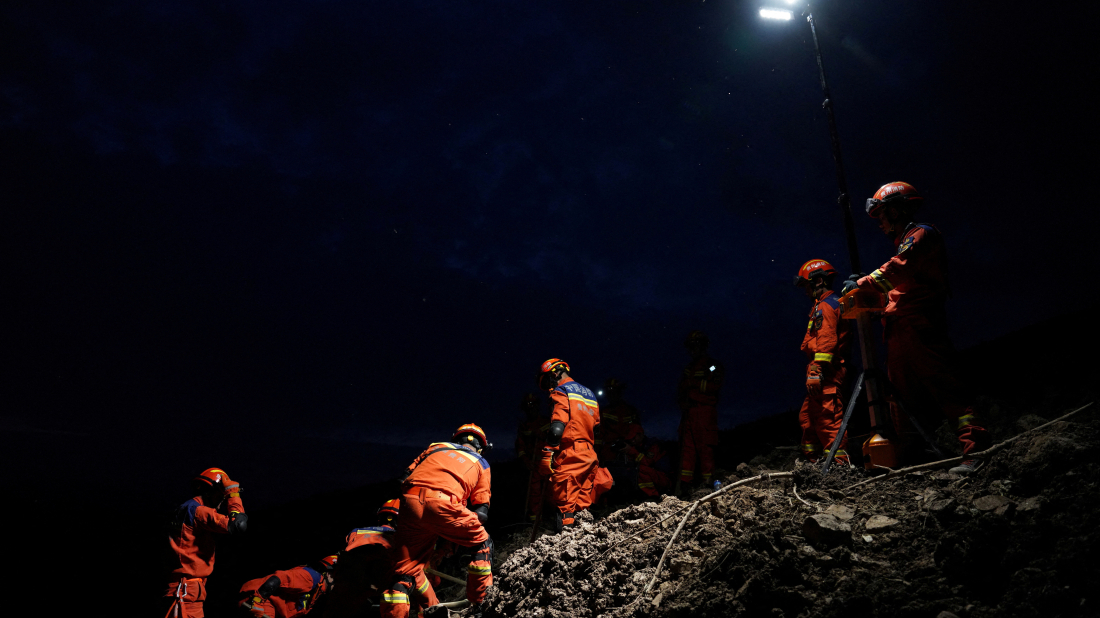
Intense rainfall has triggered deadly landslides in China's southwest, prompting mass rescue operations and raising fresh concerns over climate-related disasters.
At least four people have been confirmed dead and 17 others remain missing following landslides caused by heavy rainfall in Guizhou province, southwestern China. The incidents occurred on Thursday, affecting Changshi township and Qingyang village, where a total of 19 residents from eight households were trapped, according to state broadcaster CCTV.
The Chinese military has been deployed to support over 400 emergency personnel, including firefighters, in ongoing rescue efforts. Authorities have issued alerts for potential geological disasters in neighbouring regions and activated the third-highest emergency response level across Guizhou and adjacent Hunan and Jiangxi provinces.
The recent tragedy follows a week of intense rainfall that has already claimed seven lives in southern Guangdong province and the Guangxi region. The China Meteorological Administration continues to warn of heightened risks of flash floods, mountain torrents, and landslides in the country’s southern areas.
China has been increasingly affected by extreme weather events, with officials attributing this trend to climate change. The year 2024 was officially recorded as the warmest in the country’s history since records began over sixty years ago, marking a second consecutive year of record-breaking temperatures.

The collective-defence agreement between Türkiye, Saudi Arabia and Pakistan signals that regional powers no longer want to rely solely on external security guarantees. Whether it becomes a stabilising deterrent or another axis of rivalry remains unresolved.
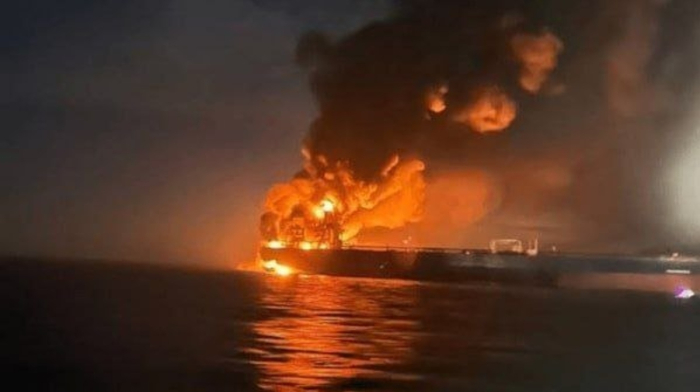
Shipping through the Strait of Hormuz has slowed, according to the latest data, as uncertainty over the waterway’s reopening kept most shipowners away. Six commodity vessels crossed the strait on Tuesday, down from nine the day before and below the 10-day daily average of 11.
Shipping traffic through the Strait of Hormuz remains limited on Thursday, with no increase in vessel crossings as U.S.-Iran talks to resolve the conflict remained stalled. Nine commodity vessels transited the key waterway on Wednesday, unchanged from the previous day, according to Kpler data.
Iran has said the Strait of Hormuz will remain closed until the U.S. fulfils the terms of an interim deal, including lifting the maritime blockade and sanctions and releasing Iran’s frozen assets.
Start your day informed with AnewZ Morning Brief. Here are the top news stories for the 19th of August, covering the latest developments.
Afghanistan and Belarus have agreed to advance joint industrial projects, investment and technical cooperation following talks in Minsk, as Kabul seeks Belarusian machinery and support to develop domestic manufacturing.
Uzbekistan and Azerbaijan are drawing up a new programme aimed at boosting bilateral trade to $1 billion by 2030, as the two countries move to deepen economic and industrial ties.
Syria says it assured Israel that Türkiye had no plans to establish a military presence at the Abu al-Duhur airbase before Israeli forces struck the site on Tuesday.
Israeli Prime Minister Benjamin Netanyahu has issued his strongest warning yet over Türkiye's growing military role in Syria, saying Israel will not accept Turkish forces expanding their presence further south.
Azerbaijan’s support for Ukraine could provide a model for neighbouring countries seeking to strengthen their sovereignty, the director of development at an organisation supporting Ukraine’s armed forces has told AnewZ.
You can download the AnewZ application from Play Store and the App Store.
What is your opinion on this topic?
Leave the first comment