Ukraine claims critical strike on Russian submarine in Novorossiysk
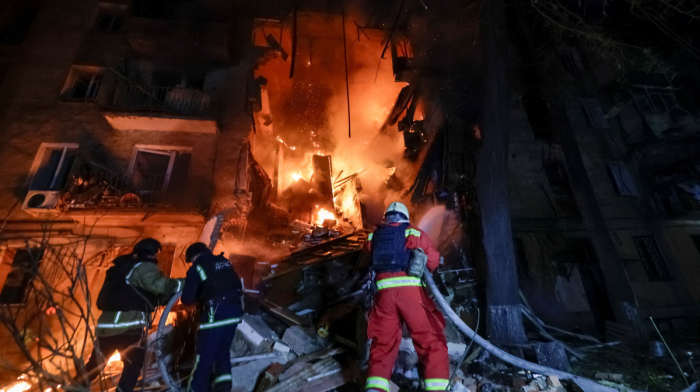
Ukraine’s domestic security service, the SBU, says it struck a Russian Kilo‑class submarine in the Black Sea port of Novorossiysk, causing critica...
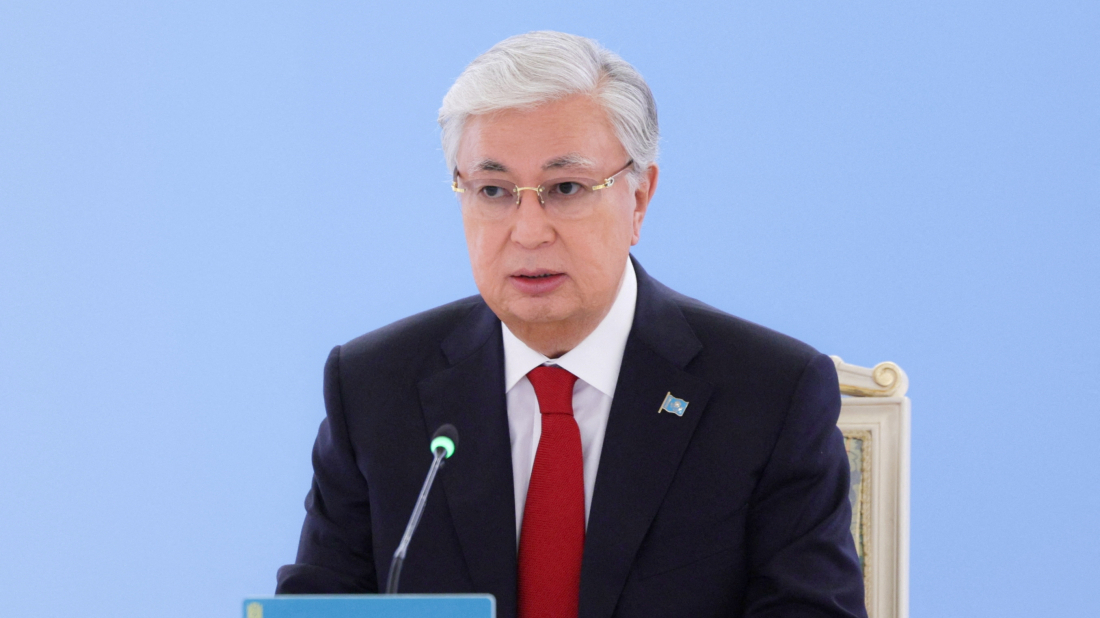
President Kassym-Jomart Tokayev signed a decree on Tuesday to create a new state agency for atomic energy, marking a key step in Kazakhstan’s plan to build its first nuclear power plant.
The agency, which will be directly subordinate to the president, is intended to consolidate functions currently handled by the Kazakh Energy Ministry related to subsoil use, including uranium mining, the utilization of atomic energy, ensuring public safety from radiation, and the development and operation of the Semipalatinsk nuclear safety zone.
The decree, published on the presidential press service website Akorda, also announced the appointment of Almassadam Satkaliyev as the agency’s head.
Satkaliyev, who previously served as Kazakhstan’s energy minister from April 2023, is expected to steer the agency as part of a broader strategy to modernize the nation’s energy sector.
President Tokayev first introduced the initiative during an address to the National Kurultai on March 14, emphasizing that the move is not merely about meeting current energy needs but is a strategic investment in the country’s economic future.
“It is strategically important for us to create a new energy industry that will provide a solid foundation for dynamic economic development for decades to come,” Tokayev said.
He further outlined plans to eventually build not one, but three nuclear power plants to form a comprehensive nuclear cluster.
The agency’s establishment follows a national referendum held in October 2024, in which approximately 71% of Kazakh citizens voted in favor of constructing the country’s first nuclear power plant.
While the decision was hailed by supporters as a forward-looking move for energy independence and economic growth, critics have raised concerns about the project’s implications, particularly given the legacy of the Semipalatinsk nuclear test site, which was used for over 450 tests during the Soviet era and left a lasting impact on public perception.
The new agency is expected to play a pivotal role in overseeing the safe and sustainable development of nuclear energy in Kazakhstan, aligning with the country’s long-term goals for technological advancement and economic diversification under President Tokayev’s administration.

Russia’s human rights commissioner, Tatyana Moskalkova, has said that Ukraine has not provided Moscow with a list of thousands of children it alleges were taken illegally to Russia, despite the issue being discussed during talks in Istanbul.
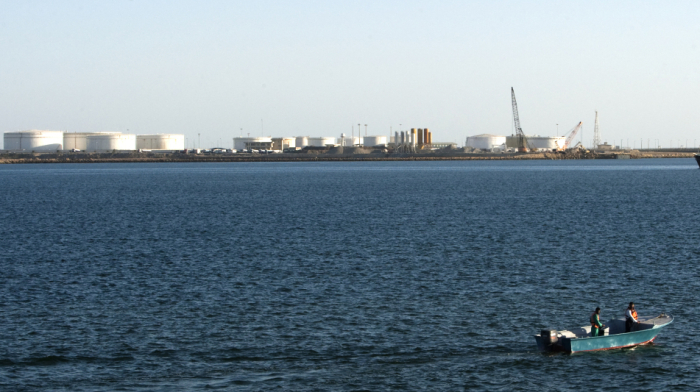
Iranian authorities have seized a foreign tanker carrying more than 6 million litres of smuggled fuel in the Sea of Oman, detaining all 18 crew members on board.
An explosive device found in a vehicle linked to one of the alleged attackers in Bondi shooting has been secured and removed according to Police. The incident left 12 people dead.
The latest round of clashes between Thailand and Cambodia has left 15 Thai soldiers dead and 270 others injured, Thailand’s Ministry of Defence spokesman Surasant Kongsiri said at a press conference on Saturday.
Syrian President Ahmad al-Sharaa has offered condolences to President Donald Trump following an ISIS attack near the ancient city of Palmyra that killed two U.S. soldiers and a civilian interpreter, Syrian and U.S. officials said Sunday.
The European Union’s interest in investing in regional connectivity projects in the South Caucasus, such as the Trump Route for International Peace and Prosperity (TRIPP) is driven by a need for strategic credibility and a tangible foreign policy success, according to a regional expert.
Shadow Trade is an investigative documentary by AnewZ that examines how global sanctions imposed after Russia’s 2022 war in Ukraine have been weakened through informal trade routes, permissive transit regimes, and overlooked commercial practices.
Kazakhstan and Uzbekistan have signed a new agreement on the transportation of natural gas through Uzbek territory, strengthening bilateral energy cooperation and supporting regional energy security ahead of the winter season.
Kazakhstan is assessing the scale of damage and potential losses following a recent attack on infrastructure operated by the Caspian Pipeline Consortium, a key export route for the country’s oil.
The Taliban leadership in Afghanistan opted out of a major regional meeting held in Iran’s capital Tehran on Sunday.
You can download the AnewZ application from Play Store and the App Store.
What is your opinion on this topic?
Leave the first comment