Tajikistan and Kyrgyzstan are close to finalizing their border agreement, with only technical issues remaining. The deal aims to resolve long-standing disputes over roads, water resources, and territorial claims.
Tajikistan and Kyrgyzstan are on the verge of finalizing an agreement on their shared border, with only a few technical issues left to resolve.
This update was provided by Tajikistan’s Minister of Foreign Affairs, Sirodjiddin Muhriddin, during a press conference in Dushanbe. Muhriddin confirmed that the border crossing lines between the two countries have been fully determined. However, some remaining technical matters must be addressed before the final agreement can be signed.
“The details surrounding the construction of the road between Isfara and Vorukh, as well as issues related to several reservoirs located on both countries' territories and the procedures for their shared use, are yet to be resolved,” the Tajik Foreign Minister explained.
The road to Vorukh has been a main issue in the border conflict between Tajikistan and Kyrgyzstan. This road has been blocked several times by residents of the border regions of Kyrgyzstan, leading to conflicts.
Although Sirodjiddin Muhriddin did not specify which "water bodies" he was referring to, it is assumed that these include the Head Distribution Hydroelectric Plant, the Dusti Canal (known as "Tortkul" in Kyrgyzstan), and several other irrigation facilities. The issue of water distribution became a primary cause of conflict in September 2022.
In addition to the border agreement, two intergovernmental accords are set to be signed, focusing on the use of roads and water resources for both countries. Muhriddin added that these issues are being actively discussed by working groups from Tajikistan and Kyrgyzstan, with experts meeting regularly.
On December 4, 2024, in Batken, the remaining sections of the border were coordinated following a meeting between the co-chairmen of the Intergovernmental Commission on the Delimitation and Demarcation of the State Border of Tajikistan and Kyrgyzstan, Saimumin Yatimov and Kamchibek Tashiev.
Kyrgyzstan’s Foreign Minister, Jeenbek Kulubayev, also stated that border crossings between the two nations will only open once the legal documents have been fully coordinated.
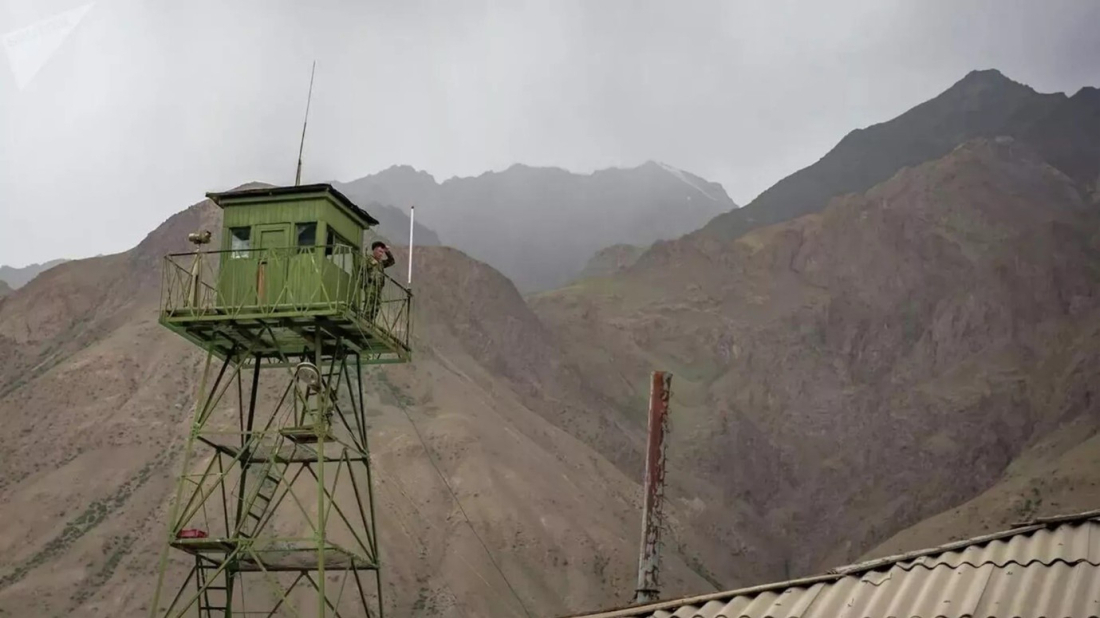
The total length of the Kyrgyz-Tajik state border stretches 972 km. Border negotiations have been underway since December 2002, but unresolved territorial disputes have repeatedly led to conflicts between local residents and military forces from both countries, including clashes involving firearms.













What is your opinion on this topic?
Leave the first comment