Pakistan and Uzbekistan are stepping up efforts to streamline trade between South and Central Asia through a new customs partnership focused on digital connectivity and artificial intelligence.
AI and digital customs to modernise cross-border trade
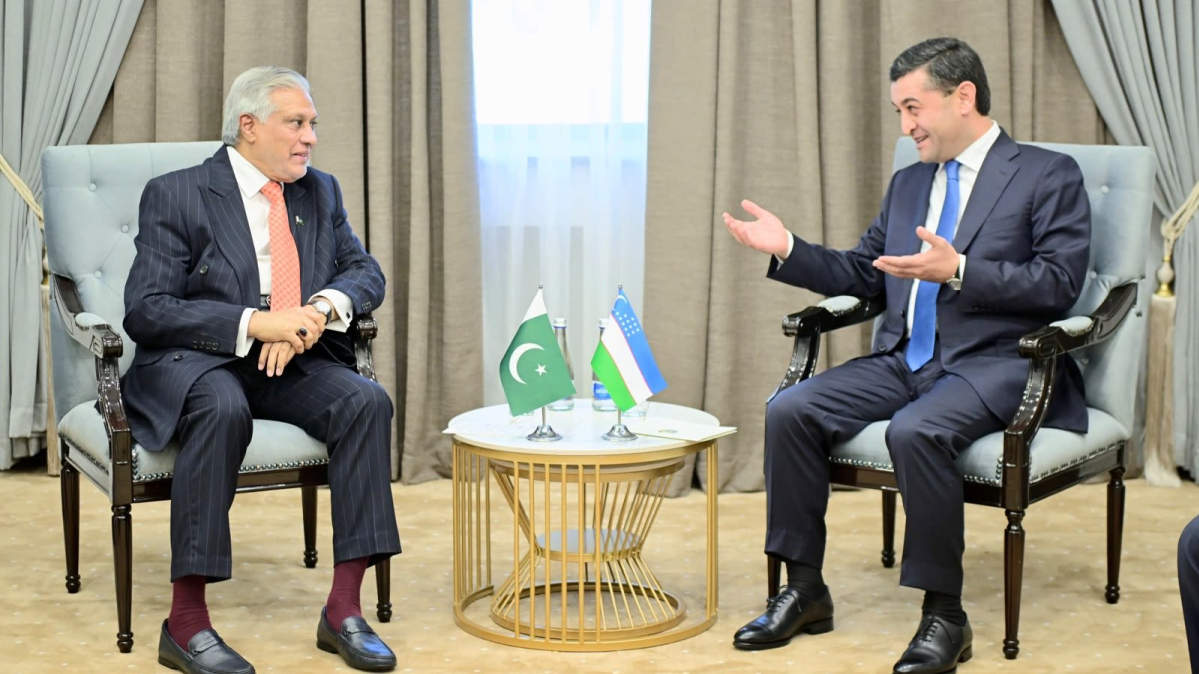
The agreement was reached during a bilateral meeting in Tashkent on the sidelines of the 11th Policy Level Meeting of the United Nations Office on Drugs and Crime (UNODC)–World Customs Organization (WCO) Passenger and Cargo Control Programme (PCCP/IREN).
Pakistan's delegation, led by Syed Shakeel Shah, Member Customs (Operations) at the Federal Board of Revenue, held talks with the First Deputy Chairman of Uzbekistan's Customs Committee on expanding bilateral customs cooperation.
The agreement focuses on artificial intelligence, machine learning-based risk management, digital customs systems and real-time exchange of customs information. Both sides also agreed to strengthen transit cargo tracking, intelligence-led enforcement and coordinated border management to improve supply chain security and speed up the movement of goods across borders.
Pakistan Single Window expands regional connectivity
Pakistani customs officials said Uzbekistan is the first country connected to the Pakistan Single Window (PSW) platform for advance customs information exchange covering both imports and exports.
The two countries also agreed to extend the digital platform to transit trade. Officials said the move would reduce clearance times, improve customs data quality, and facilitate faster and more secure regional trade and transit.
Customs deal complements expanded trade agreement
The customs partnership comes ahead of an expanded Pakistan-Uzbekistan Preferential Trade Agreement, due to take effect on 14 August, under which both countries will extend reciprocal tariff concessions to nearly 90 product categories. While the agreement lowers tariff barriers, the customs partnership is intended to reduce border delays through faster digital processing and information sharing.
Officials attending the conference also agreed to establish technical working groups on regulatory cooperation, Authorised Economic Operator programmes, AI-enabled risk management and public-private partnerships to facilitate legitimate trade while tackling illicit cross-border activity.
For Pakistan and Uzbekistan, the agreement marks another step towards deeper economic integration between South and Central Asia, supporting faster trade routes and stronger regional supply chains linking landlocked Central Asia with global markets.
Read more from Pakistan:


















What is your opinion on this topic?
Leave the first comment