live Russia and Ukraine trade attacks as four killed in Ukrainian strikes on Russian port city
Four people were killed, including a child, in Ukrainian strikes on the Russian port city of Novorossiysk overn...
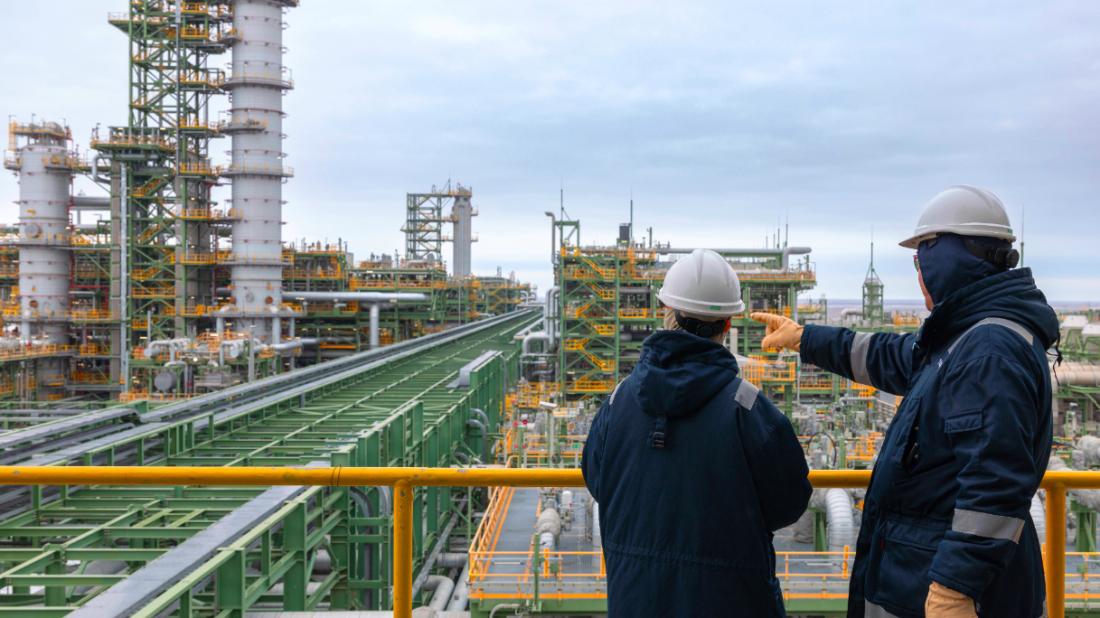
Kazakhstan’s oil production broke a daily record of 278,400 metric tons right after Chevron-led company expanded its operations at the Tengiz oil field.
According to the national Fuel and Energy Complex’s Analytical Centre, the country has reached a historic record, with an increase of daily oil production by 10.5% in comparison with the last-year data.
Chevron Corporation announced on Monday that its 50 percent owned affiliate Tengizchevroil LLP (TCO) has started oil production at its Future Growth Project (FGP) that is the third processing plant in operation at the Tengiz oil field, which is expected to ramp up output to one million barrels of oil equivalent per day. This milestone follows the completion of the Wellhead Pressure Management Project (WPMP) in 2024, which is designed to optimize the field and processing plants.
The FGP expansion aims to increase crude oil production by 260,000 barrels per day at full capacity.
Once all Tengiz facilities are operating at full capacity total annual crude oil production is expected to reach approximately 40 million tons per annum, according to Tengizchevroil.
The Tengiz oil field, located in western Kazakhstan, ranks as the world’s deepest producing supergiant oil field and the largest single-trap producing reservoir in existence.
“This milestone concludes a multiyear project that completely revamped the gathering and processing capacity of one of the world’s largest oil fields that will provide significant economic benefit for the Republic of Kazakhstan,” said Clay Neff, president, Chevron International Exploration & Production. “This accomplishment was possible due to our strong partnership with Kazakhstan, our contractors, and the local workforce.”
The FGP and WPMP projects together installed power systems at Tengiz with five Frame 9 gas turbine generators, added four large compression trains with additional pumping capacity, installed a new centralized control center and enhanced sour gas handling and reinjection to the field for long-term pressure maintenance.

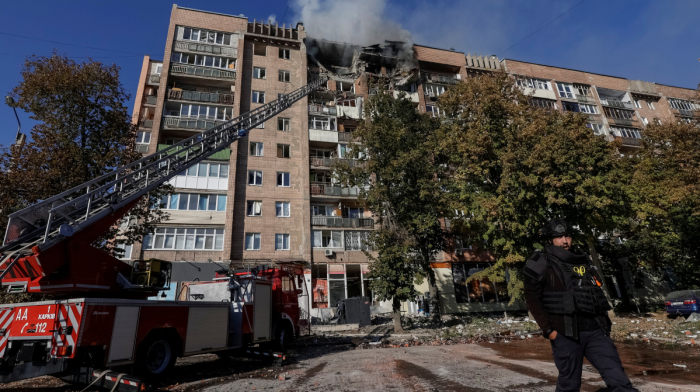
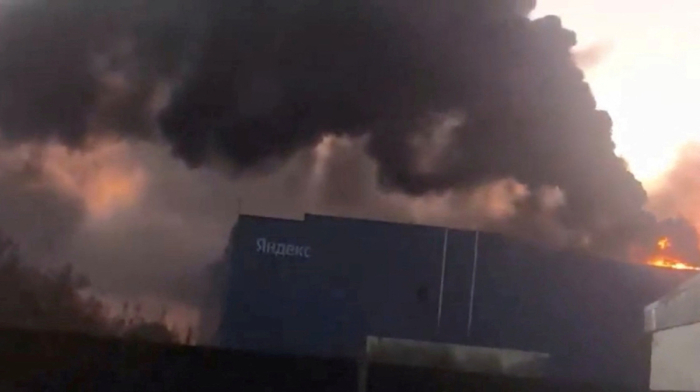
Four people were killed, including a child, in Ukrainian strikes on the Russian port city of Novorossiysk overnight, according to the governor of the Krasnodar region. Ukraine's drone forces commander, Robert Brovdi, said Russian military ships were destroyed in the attacks.
A TV channel was struck during a live broadcast on Tuesday, Ukrainian President Volodymyr Zelenskyy said, as Russian strikes on Kyiv killed at least three people, the city's Mayor Vitali Klitschko said. Meanwhile, drones hit civilian infrastructure in Russia's southwestern Saratov region.
U.S. Central Command (CENTCOM) said its forces destroyed five Iranian crude oil carriers after the Islamic Revolutionary Guard Corps (IRGC) allegedly launched two ballistic missile attacks against a U.S. Navy warship over the past two days.
Wildfires have broken out in Türkiye’s Antalya province, forcing hundreds of people to evacuate as strong winds fuelled the flames.
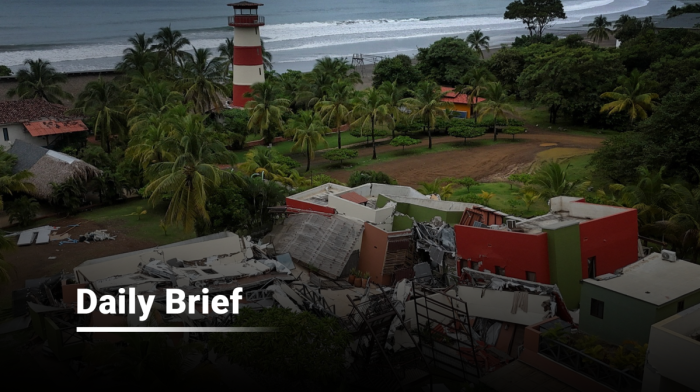
Indonesia has reopened Jakarta's main airport and four others after volcanic ash from Mount Anak Krakatau forced widespread flight cancellations, though fresh eruptions have kept authorities on alert.
Kazakhstan is stepping up investment in the Middle Corridor as rising freight volumes and demand for more diverse trade links drive the rapid expansion of the route connecting Asia and Europe.
Georgia’s International Maritime Forum has closed in Batumi with officials setting out investment targets, timelines and technical plans aimed at expanding the Middle Corridor and strengthening the country’s role in global trade.
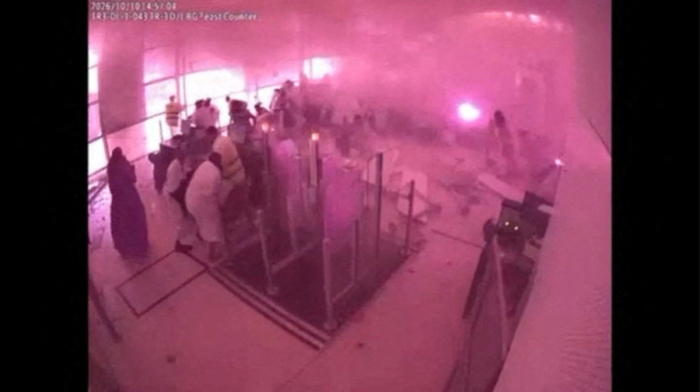
Iran says it has delivered on its promise of a “faster, heavier and more painful” response to Washington, striking U.S. bases, warships and commercial vessels early on Wednesday.
Central Asian foreign ministers have marked 20 years since a landmark nuclear-free treaty, reaffirming their commitment to regional security, nuclear non-proliferation and disarmament.
Saudi Arabia’s international leisure tourism industry is forecast to grow by 93 per cent between 2025 and 2030, as the kingdom expands beyond religious travel. The figures were presented during WTM Spotlight Riyadh, where industry leaders discussed the growing tourism market.
You can download the AnewZ application from Play Store and the App Store.
What is your opinion on this topic?
Leave the first comment